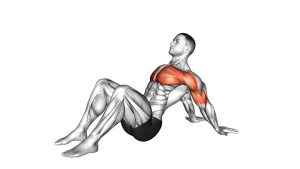
Roll Ball Infraspinatus Stretch: Form, Benefits, Tips & FAQ
Learn how to do the Roll Ball Infraspinatus Stretch with proper form to release shoulder tension, improve mobility, and target the rotator cuff. Includes setup, execution, tips, FAQs, and recommended equipment.
Roll Ball Infraspinatus Stretch
This movement works best when performed with precision, light-to-moderate pressure, and calm breathing. You should feel localized pressure in the back of the shoulder, not sharp pain, numbness, or pinching in the joint. The pressure should feel therapeutic and targeted, with the body staying mostly relaxed while the ball works into the muscle.
Quick Overview
| Body Part | Rear Shoulders |
|---|---|
| Primary Muscle | Infraspinatus |
| Secondary Muscle | Teres minor, posterior deltoid, other rotator cuff stabilizers |
| Equipment | Massage ball or lacrosse ball, wall |
| Difficulty | Beginner (easy to learn, but best done with controlled pressure and good positioning) |
Sets & Reps (By Goal)
- Warm-up before upper-body training: 1–2 rounds per side for 30–45 seconds
- Mobility and recovery work: 2–3 rounds per side for 45–75 seconds
- Posture and shoulder maintenance: 1–2 rounds per side for 30–60 seconds
- Targeted tight-spot release: 2–3 holds of 15–30 seconds on the most tender area
Progression rule: Increase time under pressure gradually before increasing intensity. The best results usually come from consistency, not from using excessive force.
Setup / Starting Position
- Stand next to a wall: Turn slightly so one side of your upper back faces the wall.
- Place the ball: Position a massage ball between the wall and the back of the shoulder blade area, just below the rear deltoid and over the infraspinatus.
- Angle the body slightly: Lean into the wall enough to create firm but tolerable pressure.
- Relax the neck and shoulders: Keep the jaw soft and avoid shrugging the shoulder upward.
- Find the target zone: Make small adjustments until the ball contacts a tight, tender spot in the back of the shoulder.
Tip: The ball should sit on the muscular area of the back of the shoulder, not directly on the shoulder joint or spine.
Execution (Step-by-Step)
- Lean into the ball: Use your body weight to create steady pressure against the wall.
- Start with micro-movements: Make slow, tiny up-and-down or side-to-side shifts to let the ball roll over the muscle fibers.
- Explore the tight area: Rotate the torso slightly or change your body angle to expose different parts of the infraspinatus.
- Pause on tender spots: When you find a trigger point, stop and hold pressure for 15–30 seconds while breathing calmly.
- Keep the movement controlled: Avoid aggressive rubbing or fast rolling. Let the tissue gradually relax under the ball.
- Ease off slowly: Reduce pressure, step away from the wall, and compare how the shoulder feels before switching sides.
Pro Tips & Common Mistakes
- Use small adjustments: Tiny shifts usually target the muscle better than large rolling motions.
- Stay off the bones: Avoid pressing directly into the spine, top of the shoulder blade, or shoulder joint.
- Do not rush: Slow pressure works better for trigger point release than quick movement.
- Breathe normally: Relaxed breathing helps the surrounding muscles let go.
- Keep the shoulder relaxed: Do not shrug or brace the upper trap while working the ball into the shoulder.
- Use moderate pressure: Deep discomfort is not required. A tolerable 5–7/10 intensity is usually enough.
- Pair it with mobility work: Shoulder external rotation drills, band pull-aparts, and scapular control work can complement this release drill well.
FAQ
Where should I feel the Roll Ball Infraspinatus Stretch?
You should feel targeted pressure in the back of the shoulder, especially over the flat muscular area of the shoulder blade. It should feel like a focused release, not a sharp pinch inside the joint.
How long should I stay on one spot?
Most people do well with 15–30 seconds on a tender spot, or up to about 45–75 seconds total per side for general release work.
Should this exercise hurt?
It can feel intense, but it should still be manageable and controlled. Sharp pain, tingling, numbness, or joint pinching means you should reduce pressure or stop.
Is this good before a workout?
Yes. It can be useful before upper-body training as a short mobility and tissue-prep drill, especially if your rear shoulder feels tight. Keep the duration brief so the area feels looser, not fatigued.
What type of ball works best?
A lacrosse ball or similarly firm massage ball usually works well. If that feels too intense, start with a slightly softer mobility ball and build tolerance gradually.
Recommended Equipment (Optional)
- Lacrosse Massage Ball — the most direct tool for wall-based trigger point work on the infraspinatus
- Peanut Massage Ball — useful if you want a slightly broader contact area and better stability against the wall
- Massage Ball Set — gives you different firmness options for sensitive or tight shoulder tissues
- Shoulder Rehab Resistance Bands — helpful for pairing this release drill with rotator cuff and scapular strengthening work
- Foam Roller for Upper Back — useful for complementary thoracic mobility work that supports better shoulder movement
Tip: Start with the least aggressive tool that still lets you feel the target area clearly. More pressure is not always better for shoulder release work.