Cable Lateral Pulldown with MAG Grip: Form, Muscles Worked, Sets & Tips
Learn how to perform the Cable Lateral Pulldown with MAG Grip for better lat activation, back width, and safer pulling mechanics. Includes form tips, muscles worked, sets and reps, mistakes to avoid, FAQ, and recommended equipment.
Cable Lateral Pulldown with MAG Grip
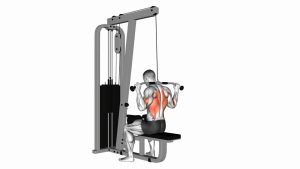
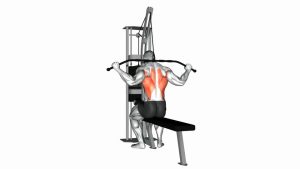
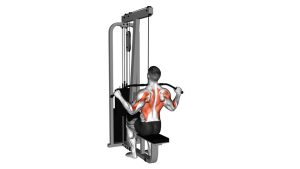
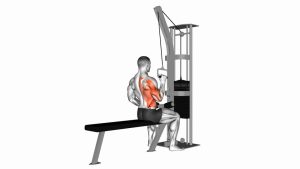
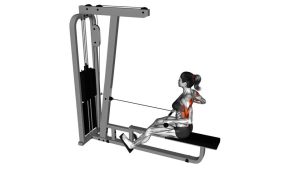
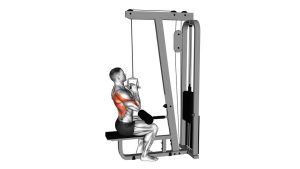
This variation is especially useful for lifters who want to build back width and improve lat engagement with a cleaner pulling path. In the video, the movement is performed with a controlled tempo, a slight torso lean, and a strong finish near the upper chest. The exercise works best when the weight is moved with the back instead of being yanked down with momentum or dominated by the arms.
Quick Overview
| Body Part | Back |
|---|---|
| Primary Muscle | Latissimus dorsi (lats) |
| Secondary Muscle | Teres major, rhomboids, lower traps, rear delts, biceps, brachialis, forearms |
| Equipment | Cable pulldown machine with MAG grip attachment and thigh pad support |
| Difficulty | Beginner to Intermediate |
Sets & Reps (By Goal)
- Muscle growth: 3–4 sets × 8–12 reps with 60–90 seconds of rest
- Strength-focused back work: 4–5 sets × 5–8 reps with 90–120 seconds of rest
- Technique and lat connection: 2–3 sets × 10–15 reps with a slower eccentric
- Warm-up or activation work: 2 sets × 12–15 light reps before heavier pulling exercises
Progression rule: Add weight only when you can keep the chest lifted, control the eccentric, and pull the elbows down without swinging the torso.
Setup / Starting Position
- Attach the MAG handle: Secure the MAG grip to the high pulley of the lat pulldown station.
- Set the seat and thigh pad: Adjust the pad so your thighs are locked in firmly without discomfort.
- Take your grip: Hold the MAG attachment evenly with a neutral hand position and straight wrists.
- Set your torso: Sit tall with your chest up and a slight lean back, not an exaggerated recline.
- Start fully stretched: Let the arms extend overhead while keeping the shoulders controlled and the ribcage stacked.
Tip: Before the first rep, think about pulling your shoulders down away from your ears so the lats can initiate the movement more effectively.
Execution (Step-by-Step)
- Brace and lift the chest: Keep your core lightly tight, chest proud, and head neutral.
- Initiate with the back: Start the rep by depressing the shoulders and driving the elbows downward rather than pulling with the hands first.
- Pull to the upper chest: Bring the MAG handle down toward the upper chest or collarbone area while keeping the elbows tracking down and slightly back.
- Squeeze at the bottom: Pause briefly in the contracted position without collapsing posture or over-arching the lower back.
- Return under control: Slowly let the handle rise back up until the arms are fully extended and the lats are stretched again.
Pro Tips & Common Mistakes
- Drive with the elbows: Think about pulling your elbows into your sides instead of yanking the handle with your hands.
- Keep the torso stable: A slight lean is fine, but turning the movement into a row takes stress off the lats.
- Use full range of motion: Allow a full stretch at the top and a complete contraction at the bottom.
- Do not shrug: Excessive upper trap involvement can reduce lat emphasis and make the rep feel cramped.
- Avoid partial reps with ego weight: Clean, full reps usually build more back than overloaded half reps.
- Control the eccentric: The lowering phase is a major part of the growth stimulus, so do not let the stack slam upward.
- Keep wrists neutral: One advantage of the MAG grip is comfort, so do not bend the wrists excessively as you pull.
FAQ
What muscles does the Cable Lateral Pulldown with MAG Grip work most?
The exercise mainly targets the lats. It also involves the teres major, rhomboids, lower traps, and the arm flexors such as the biceps and brachialis.
Why use a MAG grip instead of a standard pulldown bar?
A MAG attachment often feels more natural on the wrists, elbows, and shoulders. Many lifters also find it easier to keep better elbow positioning and stronger lat engagement with this handle style.
Should I pull the handle behind my neck?
No. For most people, pulling to the upper chest is safer and easier to control. Behind-the-neck variations often put the shoulders and neck in a less comfortable position.
How far should I lean back during the rep?
Use only a small natural lean. Leaning back too much changes the movement into more of a row and reduces the intended vertical pulling mechanics.
Is this exercise good for building a wider back?
Yes. When programmed consistently and performed with proper elbow drive, full stretch, and controlled reps, this variation is excellent for developing lat size and overall back width.
Recommended Equipment (Optional)
- MAG Grip Lat Pulldown Attachment — designed to improve wrist comfort and create a strong neutral-grip pulling path
- Lat Pulldown Handle Set — useful if you want multiple grip angles for pulldowns, rows, and other cable back work
- Lifting Straps — helpful when grip becomes the limiting factor before the back is fully fatigued
- Training Gloves or Grip Pads — can improve comfort and reduce hand irritation during higher-volume cable sessions
- Home Lat Pulldown Machine — a practical option for home gyms if you want regular access to vertical pulling exercises
Tip: Prioritize a smooth cable station and a comfortable handle before chasing heavier loads. Better mechanics usually produce better back training results.