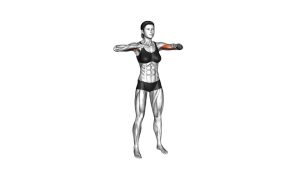
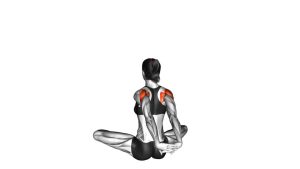
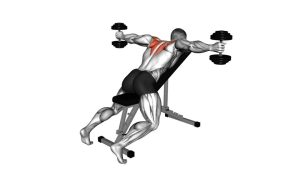
Sitting Scapular Adduction: Proper Form, Sets, Tips & FAQ
Learn how to perform Sitting Scapular Adduction with proper form to strengthen the upper back, improve posture, and build better shoulder blade control. Includes setup, execution, sets by goal, common mistakes, FAQs, and recommended equipment.
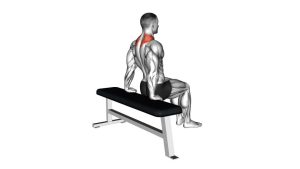
Sitting Scapular Adduction
This exercise is ideal for beginners, desk workers, and anyone trying to improve shoulder positioning and upper-back engagement. Because the movement is small and precise, it works best when you focus on quality rather than intensity. Each rep should feel smooth, balanced, and deliberate. You should notice the muscles between the shoulder blades working, not the neck straining or the lower back arching.
Quick Overview
| Body Part | Upper Back |
|---|---|
| Primary Muscle | Rhomboids |
| Secondary Muscle | Middle trapezius, rear deltoids, lower trapezius stabilizers |
| Equipment | None |
| Difficulty | Beginner |
Sets & Reps (By Goal)
- Posture improvement: 2-3 sets x 10-15 reps with a 1-2 second squeeze
- Warm-up / activation: 1-2 sets x 12-20 reps with slow, controlled tempo
- Rehab-style scapular control: 2-3 sets x 8-12 reps with a 2-3 second hold
- Mind-muscle connection work: 2-4 sets x 10-12 reps focusing on perfect shoulder blade movement
Progression note: First improve control, pause quality, and symmetry. After that, you can add light band resistance or slightly longer holds if the movement stays smooth and neck tension stays low.
Setup / Starting Position
- Sit tall: Use a bench, chair, or flat seat and keep both feet planted firmly on the floor.
- Align your torso: Keep the spine neutral, chest gently lifted, and head in a natural position.
- Relax the shoulders: Let the shoulders rest down instead of creeping upward toward the ears.
- Place the arms comfortably: Keep the arms relaxed by your sides or slightly bent, without using them to pull.
- Start from neutral: Begin with the shoulder blades in a normal resting position, not already squeezed back.
Tip: Think of sitting “tall and quiet.” The torso should stay still so the scapulae do the work.
Execution (Step-by-Step)
- Brace lightly: Keep the ribcage stacked and the neck relaxed before the rep begins.
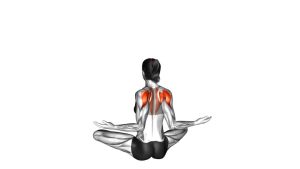
- Pull the shoulder blades back: Gently draw both scapulae toward each other as if trying to pinch something between them.
- Keep the movement small: Avoid turning it into a big chest thrust or an aggressive squeeze.
- Pause briefly: Hold the contracted position for 1-2 seconds while keeping the shoulders down.
- Return with control: Slowly let the shoulder blades move back to neutral without collapsing forward.
- Repeat evenly: Perform each rep with the same speed, range, and control on both sides.
Pro Tips & Common Mistakes
- Think “shoulder blades,” not “arms”: The goal is scapular movement, not elbow drive.
- Keep the shoulders down: Shrugging reduces upper-back focus and shifts tension into the neck.
- Do not overextend the chest: A mild opening is fine, but avoid leaning back or arching hard.
- Use a slow tempo: Fast reps make it easier to cheat and harder to feel the target muscles.
- Stay symmetrical: Both shoulder blades should move together instead of one side dominating.
- Do not force maximum squeeze: A clean, moderate contraction usually works better than an exaggerated pinch.
- Pair it wisely: This exercise combines well with face pulls, band pull-aparts, and rowing variations.
FAQ
What muscles does Sitting Scapular Adduction work?
It mainly targets the rhomboids and middle trapezius, while the rear delts and lower traps assist with control and stability.
Is this the same as a rowing exercise?
Not exactly. A row uses the arms and elbows to move resistance. Sitting Scapular Adduction is a smaller control drill focused on the shoulder blades themselves.
Can this help improve posture?
Yes. It can help strengthen the upper-back muscles that oppose rounded shoulders, especially when combined with chest mobility and good daily posture habits.
How should this exercise feel?
You should feel a controlled squeeze between the shoulder blades. You should not feel neck strain, joint pinching, or a strong lower-back arch.
Can beginners do this every day?
Many beginners can perform it frequently because it is low-load and technique-based. Daily use can work well if the reps stay controlled and symptom-free.
Recommended Equipment (Optional)
- Resistance Bands Set — useful for progressing scapular control drills into band pull-aparts, rows, and posture work
- Posture Corrector Brace — can serve as a light reminder to avoid rounded shoulders during daily activities
- Foam Roller — helpful for thoracic mobility work that supports better scapular positioning
- Massage Peanut Ball — useful for relieving upper-back tightness before posture and activation drills
- Ergonomic Seat Cushion — can help support better sitting posture during desk work and seated corrective exercises
Tip: Optional tools should support better movement quality, not replace good technique. Start with bodyweight control first, then add assistance only if it helps.