Cable Kneeling High-to-Low Anti-Rotation Chop: Form, Sets, Muscles Worked & Tips
Learn how to perform the Cable Kneeling High-to-Low Anti-Rotation Chop with proper form. Discover muscles worked, setup, execution steps, sets and reps by goal, common mistakes, FAQs, and recommended equipment.
Cable Kneeling High-to-Low Anti-Rotation Chop
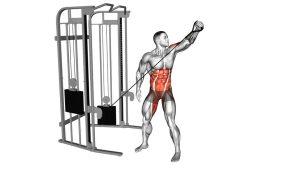
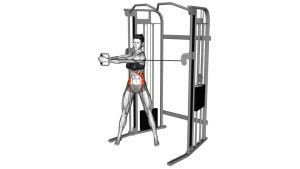
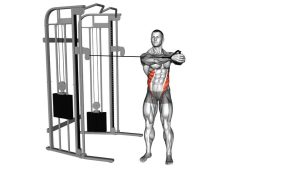
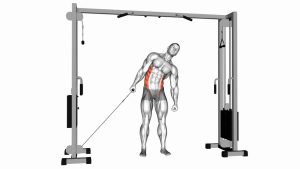
This exercise is especially useful for building rotational control, improving core stiffness under load, and teaching the trunk to stay organized during athletic or real-life diagonal movements. The kneeling position reduces lower-body momentum, which makes it easier to focus on clean core engagement. You should feel tension through the midsection and obliques, not uncontrolled twisting, lower-back strain, or jerky arm pulling.
Quick Overview
| Body Part | Core |
|---|---|
| Primary Muscle | Obliques |
| Secondary Muscle | Transverse abdominis, rectus abdominis, glutes, lats, anterior deltoids |
| Equipment | Cable machine with single handle attachment, optional knee pad |
| Difficulty | Intermediate |
Sets & Reps (By Goal)
- Core stability: 3-4 sets × 8-12 reps per side with slow, controlled reps and 45-75 seconds of rest
- Athletic movement prep: 2-3 sets × 6-8 reps per side using crisp technique and moderate resistance
- Muscular endurance: 2-4 sets × 12-15 reps per side with lighter load and strict anti-rotation control
- Warm-up activation: 1-2 sets × 6-10 reps per side focusing on posture, bracing, and cable path
Progression rule: Increase resistance only after you can keep your ribs down, hips steady, and torso quiet throughout every rep.
Setup / Starting Position
- Set the pulley high: Attach a single handle to a high cable position so the line of pull starts above shoulder level.
- Take a kneeling position: Kneel far enough from the machine to create tension in the cable without pulling you off balance.
- Grip the handle with both hands: Hold the handle securely near the high side of your body with elbows slightly bent.
- Brace your trunk: Keep your chest tall, ribs stacked over the pelvis, and glutes lightly engaged.
- Square the body: Hips and shoulders should stay mostly forward instead of turning toward the machine.
Tip: A folded mat or knee pad can make the position more comfortable and help you stay stable while focusing on core control.
Execution (Step-by-Step)
- Lock in posture: Start tall with the cable loaded, shoulders down, and core braced before the movement begins.
- Pull on a diagonal: Move the handle from high on one side down toward the opposite hip in a smooth high-to-low path.
- Resist rotation: Let the arms travel, but do not allow the torso to twist excessively or collapse sideways.
- Finish under control: End with the hands near the lower opposite side of the body while keeping your spine neutral.
- Return slowly: Guide the handle back to the starting position without letting the weight yank you upward or backward.
Pro Tips & Common Mistakes
- Keep the torso tall: Avoid bending forward or side-bending just to finish the rep.
- Move through tension, not speed: A controlled tempo keeps the obliques and deep core engaged.
- Do not over-rotate: This is an anti-rotation drill first, not a free-spinning torso movement.
- Keep ribs down: Flaring the rib cage often shifts tension away from the core and into the lower back.
- Use the arms as guides: The trunk should stabilize while the hands follow the cable path.
- Choose the right load: Too much weight turns the exercise into a sloppy pull instead of a clean chop pattern.
FAQ
What muscles does the cable kneeling high-to-low anti-rotation chop work?
It mainly targets the obliques and deep core stabilizers, while the glutes, shoulders, lats, and rectus abdominis assist with posture and control.
Should my torso rotate during the movement?
A small amount of natural motion may happen, but the main goal is to resist excessive rotation. Your trunk should stay organized and stable rather than spinning freely.
Is this exercise good for athletes?
Yes. It can help improve force transfer, trunk stiffness, and control through diagonal patterns that show up in throwing, striking, swinging, and change-of-direction sports.
What is the difference between this and a regular cable wood chop?
This version places more emphasis on stability and anti-rotation. Instead of aggressively turning through the torso, you focus on staying braced while moving the handle across the body.
How heavy should I go?
Use a weight that allows you to keep clean posture, smooth tempo, and full control on both the pull and return. If you are twisting, leaning, or losing balance, go lighter.
Recommended Equipment (Optional)
- Single D-Handle Cable Attachment — useful for smooth one-handle cable chops and anti-rotation variations
- Exercise Knee Pad — adds comfort and stability during kneeling core work
- Cable Machine Attachment Set — expands your cable training options for chops, lifts, rows, and core drills
- Foam Support Pad — helpful when you want extra support under the knees on hard gym flooring
- Resistance Bands Set — a practical backup for anti-rotation chops when a cable machine is not available
Tip: Accessories should improve comfort and control, not distract from clean technique. Prioritize stable setup and manageable resistance first.