Side Plank Scissors: Core Stability, Oblique Strength & Form Guide
Learn Side Plank Scissors for stronger obliques, hip control, and core stability with setup, steps, sets, mistakes, FAQs, and gear.
Side Plank Scissors
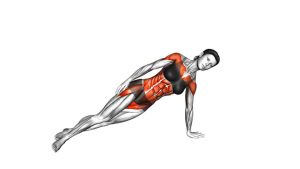
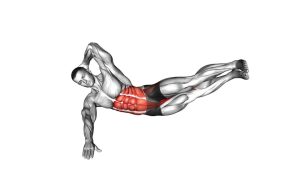
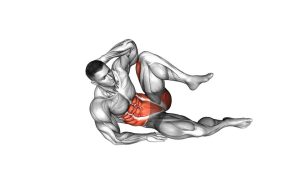
This exercise works best when the plank line stays long and steady. Therefore, the goal is not to kick the leg as high as possible. Instead, focus on keeping the ribs controlled, the hips lifted, and the top leg moving smoothly. As a result, your obliques must resist side bending while your hip muscles control the scissor action.
Quick Overview
| Body Part | Core |
|---|---|
| Primary Muscle | Obliques |
| Secondary Muscle | Glute medius, glute minimus, transverse abdominis, shoulder stabilizers, hip adductors |
| Equipment | Bodyweight only; exercise mat recommended |
| Difficulty | Intermediate to advanced, depending on plank control and hip stability |
Sets & Reps (By Goal)
- Core stability: 2–3 sets × 6–10 controlled scissors per side
- Oblique strength: 3–4 sets × 8–12 reps per side with a slow tempo
- Hip control: 2–3 sets × 6–8 reps per side with a brief pause at the top
- Conditioning finisher: 2–3 rounds × 20–30 seconds per side
Progression rule: Add reps only after you can keep the hips lifted, shoulders stacked, and leg motion controlled. Quality should increase before speed or volume.
Setup / Starting Position
- Lie on your side: Stack your body in one long line from head to feet.
- Place the support hand under the shoulder: Keep the arm straight and stable without shrugging.
- Stack the hips: Keep the top hip directly over the bottom hip before lifting.
- Brace the core: Gently tighten the abs as if resisting rotation.
- Lift into a side plank: Raise the hips until your body forms a straight diagonal line.
- Prepare the legs: Keep both legs long, controlled, and aligned before starting the scissor motion.
Tip: If the wrist feels uncomfortable, perform the exercise on the forearm. However, keep the elbow directly under the shoulder to protect the joint.
Execution (Step-by-Step)
- Start in a strong side plank: Keep the hips high, ribs controlled, and neck neutral.
- Open the scissor: Lift the top leg upward while the bottom leg stays steady and long.
- Control the top position: Pause briefly without rolling the hips backward.
- Close the legs: Lower the top leg back toward the bottom leg with smooth control.
- Maintain alignment: Keep the shoulder stacked, torso firm, and hips lifted throughout the rep.
- Repeat evenly: Continue the open-and-close pattern without rushing or swinging.
- Switch sides: Rest briefly, then repeat the same number of reps on the opposite side.
Pro Tips & Common Mistakes
- Keep the hips stacked: Avoid rotating the pelvis backward to fake a higher leg lift.
- Move slowly: A controlled scissor builds more core strength than fast, swinging reps.
- Press the floor away: Keep the support shoulder active instead of sinking into it.
- Brace before lifting: Set your core first, then move the leg.
- Avoid hip sag: If the hips drop, reset or switch to a shorter set.
- Keep the neck neutral: Do not look down aggressively or lift the chin too high.
- Use a smaller range: A clean small scissor is better than a wide uncontrolled kick.
- Match both sides: Perform equal reps on each side to improve balanced core development.
FAQ
What muscles do Side Plank Scissors work?
Side Plank Scissors mainly work the obliques. Additionally, they train the glute medius, deep core, hip stabilizers, shoulder stabilizers, and inner thighs.
Are Side Plank Scissors good for obliques?
Yes. Because the body must resist side bending and rotation while the leg moves, the obliques stay active through the full set.
Is this exercise beginner-friendly?
It is usually better for intermediate users. Beginners should first master a regular side plank, then a side plank leg lift, and then progress to the scissor variation.
Why do my hips drop during the movement?
Hip dropping usually means the set is too long, the scissor range is too wide, or your side core is fatiguing. Therefore, shorten the set and focus on keeping the plank line strong.
Can I do Side Plank Scissors on my forearm?
Yes. The forearm version can reduce wrist pressure. However, the elbow should stay under the shoulder, and the hips should remain stacked.
How can I make Side Plank Scissors easier?
Use a forearm side plank, reduce the leg range, or perform the movement with the bottom knee down. As your control improves, return to the full straight-leg version.
Recommended Equipment
- Exercise Mat — adds comfort and grip during side plank work
- Non-Slip Yoga Mat — helps prevent hand, forearm, and foot slipping
- Mini Resistance Bands — useful for advanced hip-abduction progressions
- Wrist Support Wraps — helpful if performing the straight-arm version
- Foam Exercise Pad — adds cushioning for forearm or knee-modified variations
Tip: Equipment should support better form, not hide poor control. If a tool makes the exercise feel unstable or painful, remove it and return to the bodyweight version.