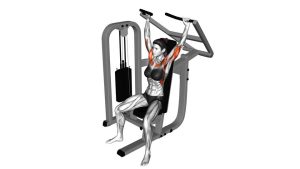
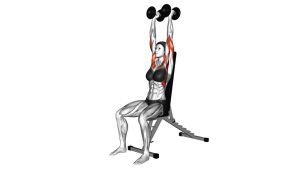
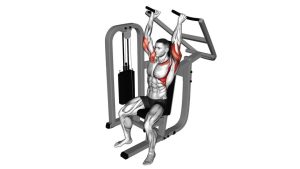
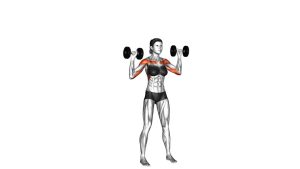
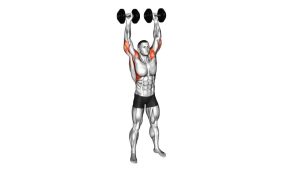
Smith Machine Seated Shoulder Press: Form, Sets, Muscles Worked & Tips
Learn how to perform the Smith Machine Seated Shoulder Press with proper form. Discover muscles worked, setup, step-by-step execution, sets and reps by goal, common mistakes, FAQs, and recommended equipment.
Smith Machine Seated Shoulder Press
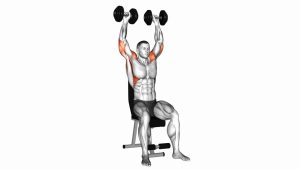
This movement works best when the bench is set so the bar travels comfortably from around upper chest or chin level to a strong overhead position. A steady torso, planted feet, and smooth bar path help keep the emphasis on the shoulders instead of turning the lift into a sloppy whole-body press. For muscle growth, keep the reps controlled and avoid bouncing the bar out of the bottom.
Quick Overview
| Body Part | Shoulders |
|---|---|
| Primary Muscle | Anterior deltoids (front shoulders) |
| Secondary Muscle | Lateral deltoids, triceps, upper traps, upper chest |
| Equipment | Smith machine, adjustable bench, weight plates |
| Difficulty | Beginner to Intermediate |
Sets & Reps (By Goal)
- Muscle growth: 3-5 sets × 6-12 reps with 60-90 seconds rest
- Strength focus: 4-6 sets × 4-6 reps with 2-3 minutes rest
- Technique practice: 2-4 sets × 8-10 reps with a controlled tempo and moderate load
- Shoulder accessory work: 2-4 sets × 10-15 reps after main compound pressing
Progression rule: Add reps first, then increase load in small steps once you can complete all sets with clean form and no loss of shoulder control.
Setup / Starting Position
- Place the bench inside the Smith machine: Set it upright so your torso stays tall and supported.
- Align yourself with the bar path: Sit so the bar lowers to around chin level or upper chest without forcing your shoulders into a bad position.
- Plant your feet firmly: Keep both feet flat on the floor to create full-body stability.
- Take a slightly wider-than-shoulder-width grip: Your wrists should stay stacked over your elbows as much as possible.
- Brace your core and upper back: Keep your chest up, shoulder blades stable, and lower back neutral against the bench.
- Unrack the bar carefully: Start with the bar under control before beginning the first rep.
Tip: A small bench adjustment can make a huge difference. If the bar feels too far in front of you, reposition the bench until the pressing path feels natural.
Execution (Step-by-Step)
- Start from the bottom: Lower the bar to about chin level or the upper chest area while keeping your elbows under the bar as much as your structure allows.
- Drive the bar upward: Press straight up along the Smith machine rails using your shoulders and triceps.
- Keep your torso still: Avoid excessive leaning, bouncing, or turning the rep into an incline-style press.
- Finish near overhead lockout: Extend your arms strongly at the top without aggressively jamming the elbows.
- Lower under control: Bring the bar back down slowly to the starting position and maintain tension throughout the eccentric phase.
- Repeat smoothly: Use a steady rhythm and keep every rep looking the same.
Pro Tips & Common Mistakes
- Set the bench correctly: Poor positioning changes the bar path and can make the exercise feel awkward on the shoulders.
- Do not bounce the bar off the bottom: Control the lowering phase and pause briefly if needed.
- Keep wrists stacked: Letting the wrists bend too far back reduces force transfer and can irritate the joints.
- Avoid extreme arching: A small natural arch is fine, but excessive lower-back extension shifts tension away from the delts.
- Use a full but pain-free range of motion: Lower the bar only as far as your shoulder mobility allows without discomfort.
- Don’t rush lockout: Press hard, but stay in control at the top instead of slamming into joint lockout.
- Train both heavy and moderate rep ranges: Heavy sets build pressing strength, while moderate sets usually create more shoulder pump and time under tension.
FAQ
What muscles does the Smith Machine Seated Shoulder Press work?
It primarily targets the anterior deltoids. The lateral delts and triceps also contribute heavily, while the upper traps and upper chest provide added support.
Is the Smith machine shoulder press good for beginners?
Yes. The fixed bar path makes it easier to learn pressing mechanics and control the movement, which is helpful for beginners who are not yet confident with free-weight overhead pressing.
How low should I bring the bar?
Most lifters do well lowering the bar to around chin level or upper chest level. The best depth is the deepest pain-free range that still allows good shoulder position and control.
Can I use this exercise for shoulder hypertrophy?
Absolutely. It is a strong mass-building movement for the front delts and works well in moderate rep ranges, especially when paired with lateral raises and rear-delt work.
What is the most common mistake on this exercise?
One of the biggest mistakes is pressing with too much load and compensating by arching the lower back. That usually reduces shoulder tension and makes the movement less efficient.
Recommended Equipment
- Gymreapers Weightlifting Wrist Wraps — useful for extra wrist support during heavy shoulder pressing
- FITGRIFF Wrist Wraps for Weightlifting — another solid wrist-support option for pressing stability
- Weightlifting Belt — helpful for lifters who want more torso bracing during heavier sets
- Shoulder Resistance Bands — great for warm-ups, activation drills, and shoulder mobility work before pressing
- Adjustable Weight Bench — essential if you want proper seated positioning and back support for machine pressing
Tip: Wrist wraps, resistance bands, adjustable benches, and shoulder-press benches are widely available on Amazon, and several listings specifically mention pressing support or shoulder-focused use.