Standing Upright Shoulder Stretch: Form, Benefits, Tips & FAQ
Learn how to do the Standing Upright Shoulder Stretch with proper form. Improve chest and front shoulder mobility, reduce tightness, and use this stretch safely in warm-ups, cooldowns, or posture routines.
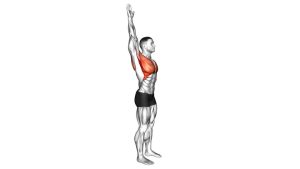
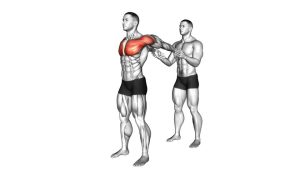
Standing Upright Shoulder Stretch
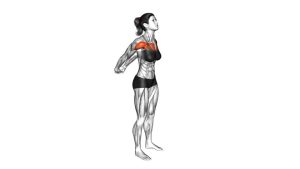
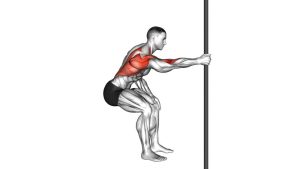
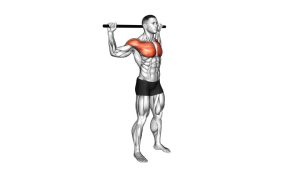
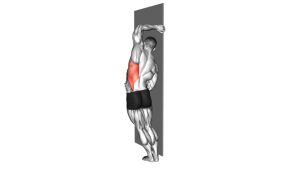
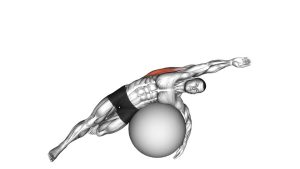
This stretch is best performed with a light-to-moderate intensity. The goal is to feel lengthening across the anterior deltoids and chest, not sharp pressure in the shoulder joint. Keep your neck relaxed, ribs stacked, and avoid turning the movement into a big lower-back arch. A small body shift forward is usually enough to create an effective stretch.
Quick Overview
| Body Part | Shoulders |
|---|---|
| Primary Muscle | Anterior deltoids |
| Secondary Muscle | Pectoralis major, pectoralis minor, biceps (long head) |
| Equipment | None required (optional: doorway, wall edges, pillars, stretch strap) |
| Difficulty | Beginner |
Sets & Reps (By Goal)
- Warm-up mobility: 1–2 sets × 20–30 second holds
- Post-workout flexibility: 2–4 sets × 30–45 second holds
- Posture / chest-opening routine: 2–3 sets × 20–40 second holds
- Desk-break reset: 1–2 sets × 15–25 second holds
Progression rule: Increase hold time gradually before increasing depth. Better results usually come from smoother breathing and cleaner alignment, not from pushing harder into the stretch.
Setup / Starting Position
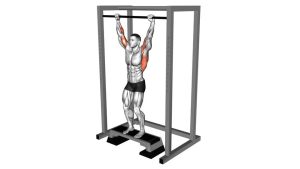
- Stand tall: Position yourself between two stable vertical surfaces, or use a doorway/wall setup that allows both arms to stay open.
- Raise the arms: Bring both arms overhead and slightly outward in a comfortable “V” position.
- Place the hands: Set your palms or forearms against the surfaces for light support.
- Stack your posture: Keep the ribs down, core lightly braced, and neck long.
- Start neutral: Keep the shoulders down and away from the ears before shifting into the stretch.
Tip: A narrower arm position usually feels milder, while a wider or slightly higher arm position often increases the stretch across the chest and front delts.
Execution (Step-by-Step)
- Set the arms and posture: Keep both hands fixed in place with the elbows softly extended.
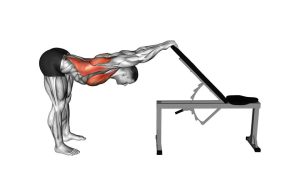
- Lean forward gently: Shift your bodyweight forward just enough to feel a stretch through the front shoulders and chest.
- Lift the chest slightly: Think about opening the sternum without over-arching your lower back.
- Hold and breathe: Take slow breaths while maintaining a relaxed neck and shoulders.
- Return slowly: Ease out of the stretch in a controlled way instead of bouncing or snapping back.
Pro Tips & Common Mistakes
- Keep the shoulders down: Avoid shrugging into the stretch.
- Open the chest, not the lower back: Don’t create the range by aggressively arching your spine.
- Use gentle pressure: Stretching harder does not always mean stretching better.
- Stay symmetrical: Keep both arms in similar positions to avoid twisting.
- Breathe normally: Calm breathing helps the shoulders relax and improves stretch quality.
- Great after pressing sessions: This pairs well with chest day, shoulder day, and long hours of desk work.
FAQ
Where should I feel the Standing Upright Shoulder Stretch?
Most people feel it across the front shoulders and chest. Some may also feel a mild stretch through the biceps depending on arm angle.
Is this stretch good for rounded shoulders?
Yes, it can help open tight chest and front-shoulder tissues that often contribute to a rounded upper-body posture. It works even better when paired with upper-back strengthening.
Should I do this before or after workouts?
You can use a light version before training as part of mobility prep, or use longer holds after training to improve flexibility and reduce tightness.
What if I feel pinching in the shoulder joint?
Reduce the stretch depth, lower the arm angle slightly, and keep the shoulders away from the ears. If pinching continues, stop and choose a more comfortable variation.
How long should I hold each stretch?
For most people, 20–45 seconds works well depending on the goal. Shorter holds suit warm-ups, while longer holds are better for cooldowns and mobility work.
Recommended Equipment (Optional)
- Yoga Stretching Strap — useful for shoulder mobility drills, assisted stretches, and flexibility work
- Foam Roller — helpful for chest, upper-back, and shoulder-area mobility before or after stretching
- Peanut Massage Ball — useful for targeted soft-tissue work around the upper back and shoulders
- Resistance Bands Set — great for pairing shoulder stretches with band pull-aparts, rows, and posture work
- Posture Corrector — an optional reminder tool for upper-body positioning, not a replacement for mobility and strength work
Tip: Use supportive tools to improve comfort and consistency, but keep the stretch itself controlled and symptom-free.