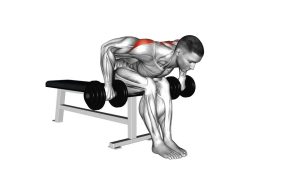
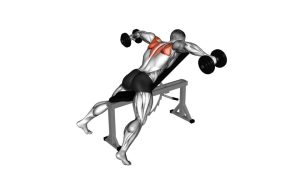
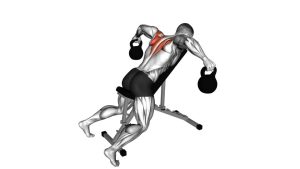
Kettlebell Prone Rear Delt Swing: Form, Sets, Tips & FAQ
Learn the Kettlebell Prone Rear Delt Swing for stronger rear shoulders and upper-back control. Step-by-step form, sets by goal, common mistakes, FAQs, and recommended equipment.
Kettlebell Prone Rear Delt Swing
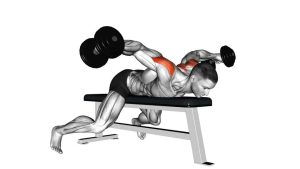
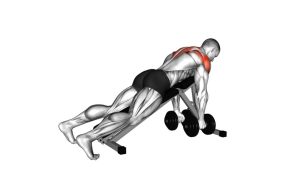
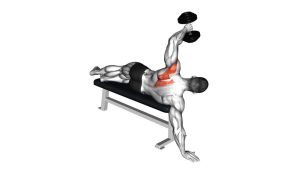
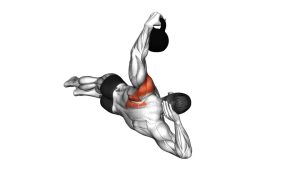
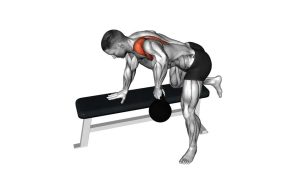
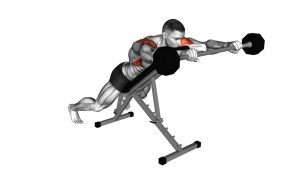
This exercise blends isolation and rhythm. The bench support creates a more stable base, while the kettlebell’s shape changes the loading feel compared with a dumbbell. When done correctly, the movement trains rear-delt strength, shoulder control, and hypertrophy with minimal cheating through the torso. Keep the motion smooth, avoid shrugging, and let the rear delt guide the swing.
Quick Overview
| Body Part | Rear Shoulders |
|---|---|
| Primary Muscle | Posterior deltoid (rear delt) |
| Secondary Muscle | Rhomboids, middle trapezius, lower trapezius, rotator cuff stabilizers |
| Equipment | Kettlebell, incline bench |
| Difficulty | Beginner to Intermediate |
Sets & Reps (By Goal)
- Muscle growth: 3–4 sets × 10–15 reps per arm with 45–75 sec rest
- Shoulder control and activation: 2–3 sets × 12–18 reps per arm with light weight and smooth tempo
- Upper-body accessory work: 3 sets × 8–12 reps per arm after pressing or rowing exercises
- High-rep finisher: 2–3 sets × 15–20 reps per arm with strict chest support and short rest
Progression rule: Increase reps first, then load. Only move to a heavier kettlebell when you can control the top and bottom positions without twisting, shrugging, or bouncing.
Setup / Starting Position
- Set the bench: Adjust an incline bench to a low-to-moderate angle that allows your chest to stay firmly supported.
- Lie face down: Position your chest on the pad with your feet planted wide for balance and stability.
- Hold the kettlebell: Grip the kettlebell in one hand and let the arm hang straight down toward the floor.
- Set your upper body: Keep the neck neutral, chest in contact with the bench, and shoulders away from the ears.
- Start slightly soft at the elbow: Maintain a small bend in the elbow and prepare to move from the shoulder, not the wrist.
Tip: A lower incline usually makes it easier to isolate the rear delt while limiting excessive trap involvement.
Execution (Step-by-Step)
- Begin from the hang: Let the kettlebell settle under the shoulder with the chest fully supported on the bench.
- Drive outward and upward: Swing the arm out to the side in a rear-delt arc, leading the motion from the shoulder.
- Keep the elbow shape: Maintain a slight bend in the elbow without turning the movement into a row.
- Reach peak contraction: Lift until the arm is around shoulder height or slightly below, depending on your control and mobility.
- Lower with control: Let the kettlebell return smoothly to the start without dropping, twisting, or bouncing off momentum.
- Repeat rhythmically: Perform each rep with a controlled swing pattern while keeping tension on the rear delt.
Pro Tips & Common Mistakes
- Keep your chest glued to the bench: Chest support should stay constant from start to finish.
- Lead with the upper arm: Think about moving from the rear shoulder instead of curling or rowing the kettlebell.
- Use controlled momentum only: A small swing is acceptable, but wild acceleration reduces muscle tension and control.
- Do not shrug: Keep the upper traps quiet so the rear delt does the majority of the work.
- Avoid lifting too high: Going beyond your controllable range usually shifts stress into the traps and shoulder joint.
- Choose the right load: Too heavy a kettlebell quickly turns this into a sloppy whole-body movement.
- Do not twist the torso: Rotation steals tension from the rear delt and reduces the quality of each rep.
FAQ
What muscle does the kettlebell prone rear delt swing target most?
The main target is the posterior deltoid, also known as the rear delt. The rhomboids and middle traps assist, but the exercise should feel strongest in the back of the shoulder.
Is this exercise better than a dumbbell rear delt raise?
It is not necessarily better, but it feels different. The kettlebell changes how the resistance hangs in your hand and can create a unique swing pattern that some lifters find effective for rear-delt activation and variety.
Should this movement be strict or slightly dynamic?
This variation is usually performed with a controlled dynamic swing, not a completely strict pause-style raise. The key is that the momentum stays small and never takes over the rep.
How heavy should I go?
Start light. Rear delts respond well to moderate and higher reps, and using too much load often causes shrugging, torso rotation, and loss of tension in the target muscle.
Can beginners use this exercise?
Yes, especially because the incline bench provides support. Beginners should use a light kettlebell, shorten the range if needed, and focus on feeling the rear delt rather than moving the heaviest weight possible.
Recommended Equipment
- Cast Iron Kettlebell — the main tool for performing the exercise with stable, durable loading
- Adjustable Weight Bench — allows proper chest-supported positioning at different incline angles
- Lifting Straps — optional grip support if your forearm fatigue limits rear-delt training
- Exercise Bench Towel or Pad Cover — improves comfort and stability during chest-supported shoulder work
- Mini Resistance Bands — useful for warming up the rear delts and rotator cuff before kettlebell work
Tip: Use a lighter kettlebell than you think you need. Rear delt training usually improves more from control and quality than from heavy loading.