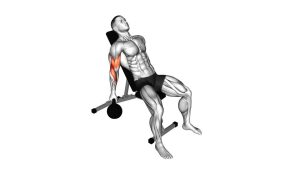
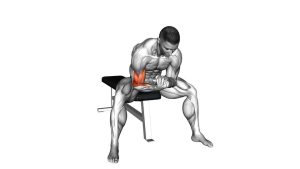
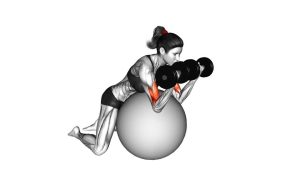
Barbell Preacher Curl: Proper Form, Sets, Benefits, Mistakes & FAQ
Learn how to do the Barbell Preacher Curl with proper form to isolate the biceps and build stronger upper arms. Includes setup, step-by-step execution, sets and reps by goal, common mistakes, FAQs, and recommended equipment.
Barbell Preacher Curl
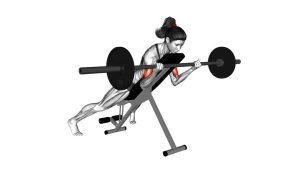
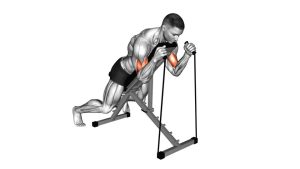
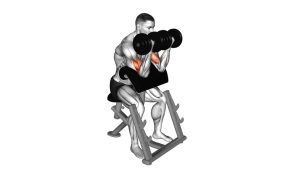
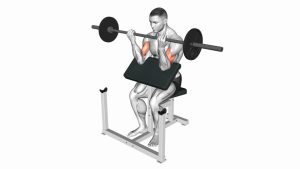
This exercise is excellent for lifters who want to build bigger, stronger upper arms with stricter form. The preacher bench helps prevent swinging, so the biceps do more of the work. The goal is to move the bar smoothly from the bottom to the top while keeping the upper arms fixed on the pad, the wrists neutral, and the tempo controlled.
Quick Overview
| Body Part | Biceps |
|---|---|
| Primary Muscle | Biceps brachii |
| Secondary Muscle | Brachialis, brachioradialis, forearm flexors |
| Equipment | Barbell or EZ-bar, preacher bench |
| Difficulty | Beginner to Intermediate |
Sets & Reps (By Goal)
- Muscle growth: 3–4 sets × 8–12 reps with controlled tempo and strong peak contraction
- Strength focus: 4–5 sets × 5–8 reps using heavier weight without sacrificing form
- Technique and isolation: 2–3 sets × 10–15 reps with lighter weight and slower lowering
- Finisher / pump work: 2–3 sets × 12–15 reps with short rest and continuous tension
Progression rule: Add reps first, then increase load gradually. Only go heavier if you can keep your elbows planted, avoid shoulder involvement, and control the eccentric phase.
Setup / Starting Position
- Adjust the preacher bench: Set the seat so your chest is supported and your upper arms rest comfortably on the angled pad.
- Take your grip: Hold the bar with a shoulder-width underhand grip. Use an EZ-bar if it feels more comfortable on the wrists.
- Position your upper arms: Keep the triceps fully supported by the pad and your elbows close to the lower edge of the bench.
- Start near full extension: Let the arms extend downward without aggressively locking the elbows.
- Brace your posture: Keep your chest against the pad, shoulders stable, and wrists neutral before starting the curl.
Tip: Your best setup is the one that lets your upper arms stay glued to the pad from the first rep to the last.
Execution (Step-by-Step)
- Begin from the bottom: Start with the bar lowered and the biceps stretched under control.
- Curl the bar upward: Flex at the elbows and raise the bar smoothly without lifting the upper arms off the pad.
- Keep the wrists steady: Avoid excessive wrist bending or rolling the bar to cheat the rep.
- Squeeze at the top: When the bar reaches the top portion of the range, contract the biceps hard for a brief pause.
- Lower with control: Slowly return the bar to the starting position while maintaining tension and posture.
- Repeat smoothly: Perform each rep with the same strict form and avoid bouncing out of the bottom.
Pro Tips & Common Mistakes
- Keep your upper arms fixed: The preacher bench only works if your arms stay planted on the pad.
- Use full control: The lowering phase is where a lot of the growth stimulus comes from—don’t rush it.
- Don’t overload too early: Heavy weight often leads to shortened range of motion and elbow stress.
- Avoid wrist collapse: Keep the wrists straight to maintain stronger bar control and better comfort.
- Don’t slam the bottom: Rapid extension at the bottom can irritate the elbows and reduce tension on the biceps.
- Squeeze, don’t swing: This is an isolation movement, so focus on contraction rather than momentum.
FAQ
What muscles does the Barbell Preacher Curl work?
It mainly targets the biceps brachii, while the brachialis and brachioradialis also assist during the curl.
Is the Barbell Preacher Curl better than a regular standing curl?
It is better for strict isolation because the preacher pad reduces body swing and shoulder involvement. Standing curls may allow heavier loading, but preacher curls usually create cleaner biceps-focused reps.
Should I use a straight bar or EZ-bar?
Both work well. A straight bar can feel great for some lifters, while an EZ-bar often feels more comfortable on the wrists and elbows.
How low should I go on each rep?
Lower the bar until your arms are nearly straight and the biceps are stretched, but avoid slamming into full lockout or losing control.
Why do my elbows hurt during preacher curls?
Elbow discomfort often comes from using too much weight, dropping too fast into the bottom, or locking out aggressively. Reduce the load, slow the tempo, and keep the movement smooth.
Recommended Equipment
- Preacher Curl Bench — essential support for strict preacher curl positioning and upper-arm isolation
- EZ Curl Bar — a popular alternative to a straight bar that can be easier on the wrists and elbows
- Weight Plates — useful for progressive overload as your biceps strength improves over time
- Weightlifting Gloves or Grip Pads — can improve grip comfort and reduce hand fatigue during higher-volume arm sessions
- Adjustable Weight Bench — helpful for building a more complete arm-training setup at home
Tip: Choose equipment that supports smooth, controlled reps rather than simply allowing you to lift heavier.