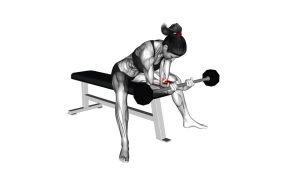
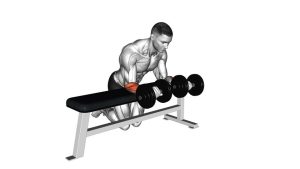
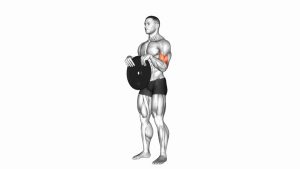
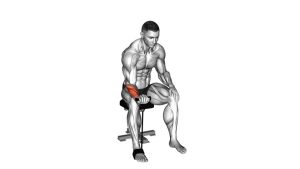
Barbell Standing Back Wrist Curl: Form, Sets, Tips & FAQ
Learn the Barbell Standing Back Wrist Curl to build stronger forearm extensors and improve wrist strength. Step-by-step form, sets by goal, mistakes to avoid, FAQs, and recommended equipment.
Barbell Standing Back Wrist Curl
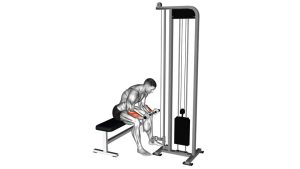
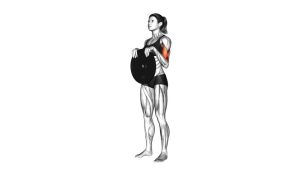
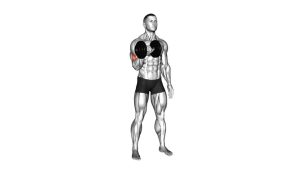
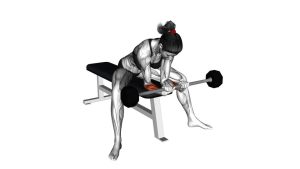
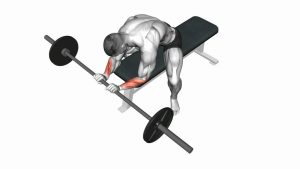
This exercise works best when you treat it like a true isolation movement. The range of motion is naturally short, but the contraction can be very effective when you keep your elbows straight, shoulders relaxed, and wrists moving through a clean arc. Focus on lifting the bar with the back of the forearms rather than trying to swing the weight upward.
Quick Overview
| Body Part | Forearms |
|---|---|
| Primary Muscle | Forearm extensors |
| Secondary Muscle | Brachioradialis, wrist stabilizers, grip muscles |
| Equipment | Barbell |
| Difficulty | Beginner to Intermediate |
Sets & Reps (By Goal)
- Muscle building: 3–4 sets × 10–15 reps with slow, controlled lowering
- Forearm endurance: 2–4 sets × 15–20 reps using lighter weight and continuous tension
- Strength practice: 3–5 sets × 6–10 reps with strict form and longer rest periods
- Finisher work: 2–3 sets × 12–20 reps after rows, curls, or deadlift work
Progression tip: Add reps before increasing load. Since wrist extension is a small-joint action, small jumps in weight usually work better than aggressive increases.
Setup / Starting Position
- Stand tall: Keep your chest up, core braced, and feet about hip- to shoulder-width apart.
- Hold the bar behind your body: Let the bar rest just behind the thighs or glutes area with a pronated grip.
- Set the arms: Keep the elbows extended and close to your sides without shrugging the shoulders.
- Start with neutral wrists: Let the wrists hang naturally, with the bar supported in the fingers and palms.
- Use manageable weight: Choose a load you can move without swinging or compensating through the upper body.
A straight bar works well, but some lifters prefer a lighter fixed barbell or short bar for better wrist comfort and control.
Execution (Step-by-Step)
- Lock in posture: Stand upright and keep the shoulders down and back without leaning forward.
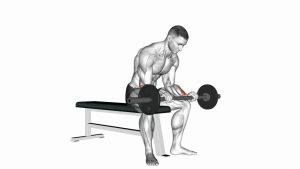
- Extend the wrists: Lift the bar upward by bending only at the wrists. The movement should be short and deliberate.
- Squeeze at the top: Pause briefly when the forearm extensors are fully contracted.
- Lower slowly: Return the bar to the starting position under control instead of letting it drop.
- Repeat with rhythm: Keep every rep smooth, with no elbow bend, body sway, or bouncing.
Pro Tips & Common Mistakes
- Keep the motion small: Wrist curls do not need a huge range of motion to be effective.
- Do not turn it into a shrug: Keep the shoulders relaxed and avoid lifting the bar with the traps.
- Control the eccentric: The lowering phase helps create more tension in the forearm extensors.
- Do not bend the elbows: Elbow flexion shifts tension away from the target area.
- Use a full grip: Let the bar sit securely in the hands without over-squeezing so hard that the wrists cannot move well.
- Train both sides evenly: If one wrist feels weaker, reduce the load and keep the reps symmetrical.
- Avoid very heavy loading too soon: Forearm and wrist tissues respond better to gradual overload than abrupt jumps.
FAQ
What muscles does the barbell standing back wrist curl work?
It primarily targets the forearm extensor muscles, which help extend the wrist and stabilize the forearm during gripping and lifting tasks.
Why is the bar held behind the body?
Holding the bar behind the body changes the angle of the exercise and can make it easier to isolate wrist extension without turning the movement into a full-arm curl.
How heavy should I go on this exercise?
Lighter than you probably think. This is a small-joint isolation exercise, so strict form and controlled tempo matter more than using a very heavy barbell.
Can beginners use this exercise?
Yes. Beginners can use a light barbell, fixed bar, or even an unloaded bar to learn proper wrist control before adding more resistance.
Should I feel it in my forearms right away?
Usually yes. You should feel a focused contraction through the back side of the forearms. If you mainly feel shoulders or elbows, adjust the load and clean up your form.
Recommended Equipment (Optional)
- Adjustable Barbell Set — practical for home training and lets you scale resistance gradually for wrist and forearm work
- Strength Training Plates — useful for making small load adjustments, which is ideal for wrist-dominant isolation exercises
- Wrist Roller / Forearm Blaster — great accessory for building additional wrist strength, endurance, and forearm density
- Wrist Curl Bar / Forearm Training Bar — adds variety for direct wrist flexion and extension work beyond standard barbell curls
- Forearm Exerciser — helpful for extra forearm volume, rehab-style work, and quick home sessions between heavier lifting days
Choose tools that let you increase resistance gradually. For wrist-focused movements, smaller progressions are usually safer and more productive than large jumps.