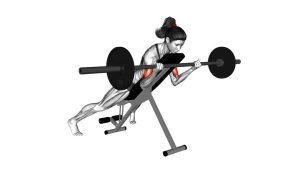
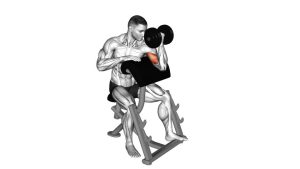
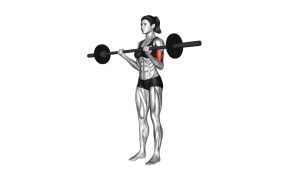
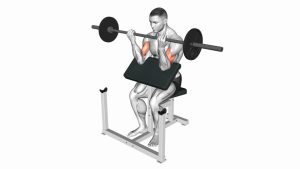
Barbell Standing Concentration Curl: Form, Muscles Worked, Sets, Tips & FAQ
Learn the Barbell Standing Concentration Curl with proper form, muscles worked, sets and reps by goal, setup tips, common mistakes, FAQs, and recommended equipment for better biceps isolation.
Barbell Standing Concentration Curl
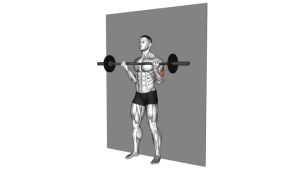
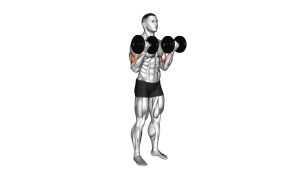
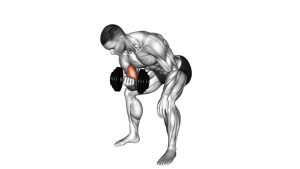
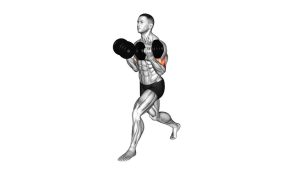
This exercise works best when the rep is controlled from start to finish. Instead of turning the movement into a full-body curl, focus on keeping the elbow position consistent, the wrist stacked, and the torso quiet. You should feel the work centered in the front of the upper arm, especially near the hardest middle and top ranges of the rep. If the shoulders, lower back, or hips take over, the load is probably too heavy.
Quick Overview
| Body Part | Biceps |
|---|---|
| Primary Muscle | Biceps brachii |
| Secondary Muscle | Brachialis, brachioradialis, forearm flexors |
| Equipment | Barbell or fixed barbell |
| Difficulty | Intermediate |
Sets & Reps (By Goal)
- Muscle growth: 3–4 sets × 8–12 reps per side with 60–90 seconds rest
- Strength-focused arm work: 4–5 sets × 5–8 reps per side with 90–120 seconds rest
- Technique and control: 2–3 sets × 10–15 reps per side using a lighter bar and slower tempo
- Finisher / pump work: 2–3 sets × 12–15 reps per side with short rests and strict form
Progression rule: Increase load only after you can keep the torso still, avoid swinging, and control both the top squeeze and the lowering phase.
Setup / Starting Position
- Stand tall: Place your feet about shoulder-width apart and brace your core.
- Grip the bar securely: Use an underhand grip and choose a width that feels natural on the wrists and elbows.
- Set the working arm: Position the elbow slightly forward and keep the upper arm close to the body for a concentration-style feel.
- Keep posture clean: Chest up, shoulders down, and no leaning back before the rep begins.
- Start from near full extension: Let the arm straighten without aggressively locking the elbow.
Tip: A lighter fixed barbell often makes this variation easier to control than a heavily loaded Olympic bar.
Execution (Step-by-Step)
- Brace and lock in: Keep your torso still and your working elbow fixed in position.
- Curl the bar upward: Drive the weight up by bending at the elbow, not by swinging the shoulders or hips.
- Keep the wrist stacked: Don’t let the wrist collapse backward as the bar rises.
- Squeeze at the top: When the bar reaches the highest strong position, contract the biceps briefly without losing posture.
- Lower with control: Return the bar slowly to the starting position and maintain tension instead of dropping it.
- Repeat smoothly: Use the same elbow path and tempo on every rep for consistent loading.
Pro Tips & Common Mistakes
- Keep the elbow quiet: Too much elbow drift turns the rep into a looser standing curl.
- Don’t swing the torso: Momentum reduces biceps tension and shifts work away from the target muscles.
- Use a full but controlled range: Avoid cutting reps short unless you are intentionally using partials.
- Lower slower than you lift: A controlled eccentric improves tension and keeps the rep clean.
- Don’t overgrip the bar: Excessive squeezing can create unnecessary forearm fatigue before the biceps are fully challenged.
- Choose load carefully: This is an isolation-style movement, so precision matters more than absolute weight.
FAQ
What muscles does the Barbell Standing Concentration Curl work?
The main target is the biceps brachii. The brachialis, brachioradialis, and other forearm muscles also assist during the curl.
Is this better than a regular standing barbell curl?
It is not automatically better, but it is usually stricter and more isolation-focused. A regular standing barbell curl often allows more total load, while this variation emphasizes control and upper-arm focus.
Should I use heavy weight on this exercise?
Usually no. Most lifters get better results with a moderate load they can control cleanly, especially through the lowering phase.
Can beginners do this movement?
Beginners can do it, but many will learn the pattern faster with lighter dumbbell concentration curls or standard curls first. Once control improves, this variation becomes more useful.
How do I know if I’m doing it correctly?
You should feel tension mainly in the biceps, with minimal torso sway and no need to throw the bar upward. Each rep should look nearly identical from start to finish.
Recommended Equipment
- Fixed Barbell — practical for strict curls when you want a manageable, balanced bar
- EZ Curl Bar — a useful alternative if a straight bar feels less comfortable on the wrists
- Wrist Wraps — helpful for lifters who want more wrist support during curling variations
- Arm Blaster — encourages stricter elbow positioning and helps reduce body swing
- Weightlifting Gloves — optional for grip comfort during higher-volume arm sessions
Tip: For this exercise, the best equipment is the one that helps you maintain strict elbow control and consistent bar path.