Dumbbell Alternate Biceps Curl: Proper Form, Muscles Worked, Sets, Tips & FAQ
Learn how to do the Dumbbell Alternate Biceps Curl with proper form. Discover muscles worked, setup, execution steps, sets and reps by goal, common mistakes, FAQs, and recommended equipment.
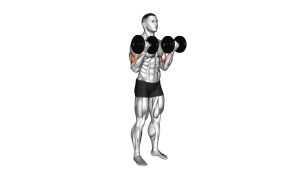
Dumbbell Alternate Biceps Curl
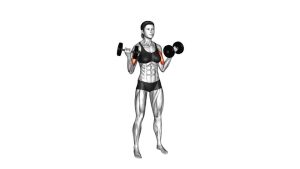
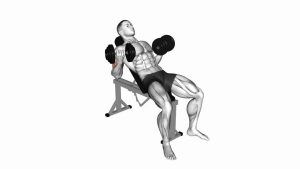
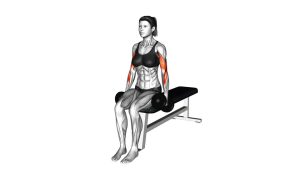
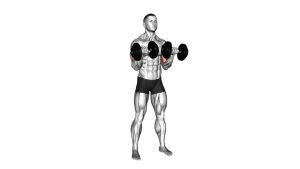
This exercise is highly effective for building arm size, improving elbow-flexion strength, and developing better control through the full curl range. Whether performed seated or standing, the key is to move the dumbbell with intention rather than momentum. Each repetition should start with a stable shoulder position, a neutral spine, and a smooth upward curl followed by a controlled lowering phase.
Quick Overview
| Body Part | Biceps |
|---|---|
| Primary Muscle | Biceps brachii |
| Secondary Muscle | Brachialis, brachioradialis, forearm flexors |
| Equipment | Pair of dumbbells, flat bench (optional if seated) |
| Difficulty | Beginner to Intermediate |
Sets & Reps (By Goal)
- Muscle growth: 3–4 sets × 8–12 reps per arm with 60–90 seconds rest
- Strength focus: 4–5 sets × 5–8 reps per arm with 90–120 seconds rest
- Muscular endurance / light pump work: 2–3 sets × 12–20 reps per arm with 45–60 seconds rest
- Beginner technique practice: 2–3 sets × 10–12 controlled reps per arm using moderate weight
Progression rule: Increase reps first while maintaining strict form, then raise the dumbbell weight gradually once you can complete all target reps without torso movement or elbow drift.
Setup / Starting Position
- Sit or stand tall: If seated, use a flat bench and plant both feet firmly on the floor. Keep your chest up and spine neutral.
- Hold a dumbbell in each hand: Let the arms hang naturally by your sides with a neutral or slightly supinated grip.
- Set the shoulders: Pull the shoulders gently back and down to avoid shrugging during the curl.
- Keep elbows close: The elbows should stay near the torso throughout the movement without drifting forward.
- Brace lightly: Tighten your core just enough to keep the body still and stable.
Tip: A seated version often makes it easier to reduce body swing and isolate the biceps more effectively.
Execution (Step-by-Step)
- Start from the bottom: Hold both dumbbells at your sides with the arms extended and the wrists neutral.
- Curl one dumbbell upward: Flex the elbow and bring the weight toward the shoulder while rotating the palm upward into full supination.
- Keep the upper arm steady: Avoid letting the elbow shoot forward or the shoulder roll inward.
- Squeeze at the top: Pause briefly when the dumbbell reaches near shoulder height and contract the biceps hard.
- Lower under control: Slowly return the dumbbell to the starting position without dropping it.
- Alternate sides: Once one arm returns to the bottom, repeat the same motion with the other arm.
- Repeat evenly: Continue alternating reps until the set is complete, keeping the tempo smooth and balanced on both sides.
Pro Tips & Common Mistakes
- Rotate the wrist as you curl: Supination helps the biceps contribute more strongly through the rep.
- Control the lowering phase: Don’t let gravity do all the work on the way down.
- Don’t swing the body: Momentum reduces tension on the biceps and can stress the lower back.
- Keep elbows pinned near your sides: Excess elbow travel shifts the movement away from a pure curl pattern.
- Use full but comfortable range: Extend the arm fully at the bottom without forcing the elbow into a hard lockout.
- Match both arms: Avoid rushing one side or shortening the range on your weaker arm.
- Choose a manageable load: Strict form with moderate weight is usually more effective than sloppy heavy curls.
FAQ
What is the main benefit of alternating the curls instead of lifting both arms together?
Alternating reps let you focus on one arm at a time, improve coordination, and often reduce momentum. Many lifters also find it easier to concentrate on squeezing the working biceps when only one side moves at once.
Should I do the dumbbell alternate biceps curl seated or standing?
Both are effective. The seated version usually makes strict form easier, while the standing version allows a more natural setup. If you tend to swing the weights, start with the seated variation.
How heavy should I go on this exercise?
Use a weight that allows you to control every rep from bottom to top without leaning back, shrugging, or rushing the lowering phase. If form breaks early, reduce the load.
Should I fully supinate the wrist during the curl?
Yes, in most cases. Rotating the palm upward during the curl helps emphasize the biceps brachii more effectively than keeping a purely neutral grip.
Where should I feel this exercise?
You should primarily feel it in the front of the upper arm, especially the biceps. Some assistance from the brachialis and forearms is normal, but you should not feel the lower back or shoulders doing most of the work.
Recommended Equipment
- Adjustable Dumbbells — versatile option for progressive overload and home training
- Flat Weight Bench — useful for seated curls and more stable arm training sessions
- Weightlifting Gloves — can improve grip comfort during high-volume dumbbell work
- Wrist Wraps for Lifting — helpful for lifters who want extra wrist support during curls
- Home Gym Mirror — useful for checking elbow position, torso stability, and rep symmetry
Tip: The best equipment choice is the one that helps you keep form strict and progression consistent over time.