Bottle Weighted Side Bend: Oblique Exercise Guide, Form, Sets, Tips & FAQ
Learn the Bottle Weighted Side Bend to train obliques with simple home equipment. Includes setup, form cues, sets, mistakes, FAQs, and gear.
Bottle Weighted Side Bend
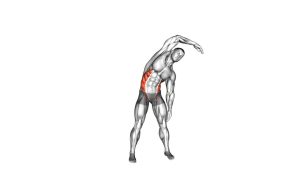
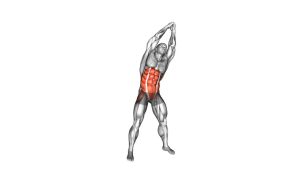
This exercise works best when the torso moves in a clean side-bending path. Because the weight hangs from one hand, gravity increases the challenge on the lateral core. However, the bottle should not be lifted with the arm. Instead, the arm stays long while the obliques guide the body down and back up. As a result, the movement becomes a focused core drill rather than a shoulder or arm exercise.
Quick Overview
| Body Part | Obliques |
|---|---|
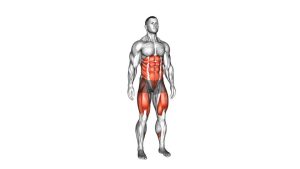
| Primary Muscle | Obliques |
| Secondary Muscle | Rectus abdominis, deep core stabilizers, quadratus lumborum |
| Equipment | Weighted bottle, water jug, or light household weight |
| Difficulty | Beginner to intermediate, depending on bottle weight and control |
Sets & Reps (By Goal)
- Technique practice: 2 sets × 8–10 reps per side with a light bottle and slow control.
- Core endurance: 2–4 sets × 12–20 reps per side with a steady tempo.
- Oblique strength: 3–4 sets × 8–12 reps per side with a heavier bottle or jug.
- Home workout finisher: 2–3 rounds × 15 reps per side after your main core exercises.
Progression rule: First improve control and range quality. Then increase reps, sets, or bottle weight gradually.
Setup / Starting Position
- Stand tall: Place your feet about shoulder-width apart and keep your knees softly unlocked.
- Hold the bottle: Let the weighted bottle hang at one side with the arm relaxed and straight.
- Place the other hand: Put the opposite hand behind your head, as shown in the video.
- Set your torso: Keep your chest open, ribs controlled, and hips steady before starting.
- Brace lightly: Create gentle abdominal tension so the bend stays controlled.
Keep the weight close to your side. This helps you move through the torso instead of reaching or swinging the arm.
Execution (Step-by-Step)
- Start upright: Stand tall with the bottle hanging down and the opposite hand behind your head.
- Bend sideways: Slowly lower your torso toward the side holding the bottle.
- Keep the path clean: Avoid rotating your shoulders or folding forward as you move down.
- Pause briefly: Stop when you reach a comfortable side bend and feel the side core working.
- Return with control: Use your obliques to bring your torso back to the upright position.
- Repeat evenly: Complete all reps on one side, then switch the bottle to the other hand.
Pro Tips & Common Mistakes
- Move in one plane: Bend sideways without twisting the chest or turning the hips.
- Avoid momentum: Do not bounce at the bottom or throw your body back to the top.
- Keep the hips stable: The hips should not slide far to the side during the bend.
- Do not overreach: The weighted arm hangs naturally; it should not pull your shoulder downward aggressively.
- Control the return: The upward phase matters because the obliques work to bring the torso back to center.
- Use a manageable load: A heavier bottle is only useful if your spine stays controlled and pain-free.
- Train both sides: Perform equal reps on the left and right side to keep your core work balanced.
FAQ
What muscles does the Bottle Weighted Side Bend work?
The exercise mainly targets the obliques. It also involves the deep core stabilizers, rectus abdominis, and quadratus lumborum because these muscles help control side bending and return.
Should I feel this in my lower back?
You may feel some stabilizing work near the side of the trunk. However, sharp lower-back pain is not the goal. If your lower back takes over, reduce the weight, shorten the range, and move more slowly.
Can I use a dumbbell instead of a bottle?
Yes. A dumbbell can be used if it matches your current strength level. Still, a bottle or jug works well for home training because it allows easy load adjustment by adding or removing water.
How far should I bend to the side?
Bend only as far as you can control without twisting, leaning forward, or feeling discomfort. For most people, a moderate range is better than forcing a very deep bend.
Is the Bottle Weighted Side Bend good for beginners?
Yes, it can be beginner-friendly when done with a light bottle and slow tempo. Beginners should focus on posture, control, and equal work on both sides before increasing resistance.
Recommended Equipment
- Adjustable Water Dumbbell — useful for home side bends when you want a bottle-style adjustable load
- Water Jug with Handle — simple option for recreating the visible weighted-bottle setup
- Light Dumbbell Set — a more stable alternative if you want consistent resistance
- Exercise Mat — helpful for warm-ups, stretching, and other home core exercises
- Full-Length Workout Mirror — helps check that your torso bends sideways without twisting
Tip: Choose equipment that allows smooth, controlled reps. A lighter load with clean form is more useful than a heavy load that causes twisting or momentum.