Bottoms-Up Exercise: Form, Core Benefits, Sets, Tips & FAQ
Learn the Bottoms-Up exercise for stronger lower abs, better pelvic control, and core stability. Includes form steps, sets, tips, FAQs, and equipment.
Bottoms-Up
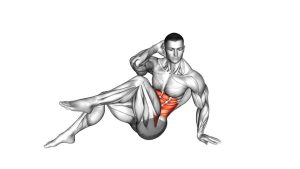
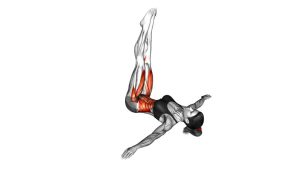
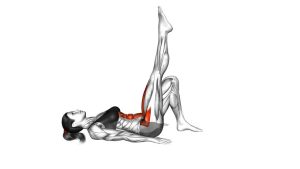
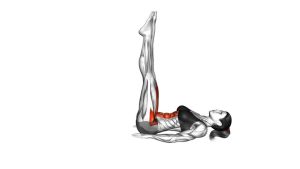
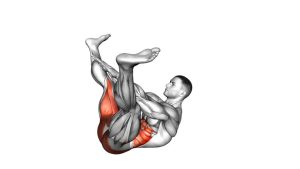
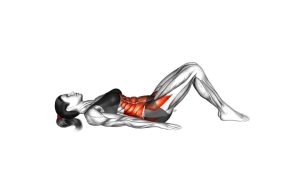
This exercise begins with the body lying flat on the floor, arms placed beside the torso for support, and legs extended slightly above the ground. From there, the knees bend toward the chest as the pelvis curls upward. At the top, the hips lift slightly from the floor. Then the legs return with control until they are extended again without relaxing the core.
The Bottoms-Up is useful for people who want a stronger lower-core contraction without needing machines or heavy equipment. It also teaches an important core skill: moving the pelvis with abdominal control instead of relying only on hip flexors. When done correctly, the movement feels precise, stable, and challenging without pulling on the lower back.
Quick Overview
| Body Part | Core |
|---|---|
| Primary Muscle | Rectus abdominis, with strong emphasis on lower-abdominal control |
| Secondary Muscle | Hip flexors, transverse abdominis, obliques, and deep core stabilizers |
| Equipment | No equipment required; optional exercise mat for comfort |
| Difficulty | Beginner to intermediate, depending on leg angle and control |
Sets & Reps (By Goal)
- Core activation: 2–3 sets × 8–12 controlled reps with 45–60 seconds rest.
- Muscle endurance: 3–4 sets × 12–20 reps with a smooth tempo and short rest.
- Lower-ab strength: 3–5 sets × 8–15 reps with a slow lowering phase.
- Beginner practice: 2 sets × 6–10 reps using a smaller range of motion.
- Finisher option: 1–2 sets near technical fatigue after your main core work.
Progression rule: First improve control, then increase reps. After your form stays clean, make the movement harder by lowering the legs closer to the floor or slowing the eccentric phase.
Setup / Starting Position
- Lie on your back: Place your body flat on an exercise mat with your head relaxed and your spine long.
- Set your arms: Keep your arms beside your body with palms pressing lightly into the floor for balance.
- Extend your legs: Straighten your legs and hover them slightly above the ground if your lower back can stay controlled.
- Brace your core: Gently pull your ribs down and keep your lower back from arching excessively.
- Relax your upper body: Keep your shoulders down, jaw relaxed, and neck neutral throughout the set.
If the fully extended starting position feels too difficult, begin with your knees slightly bent. This makes the exercise easier while still training the same core pattern.
Execution (Step-by-Step)
- Start with tension: Brace your abs before moving your legs. Your body should feel stable before the first rep begins.
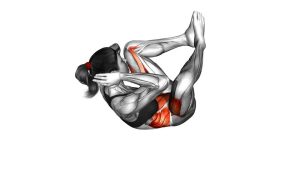
- Draw the knees inward: Bend your knees and bring them toward your chest without swinging your legs.
- Curl the pelvis: As your knees come closer, lift your hips slightly from the floor using your lower abs.
- Pause at the top: Hold the peak contraction briefly. Keep the movement compact rather than forcing your knees too far in.
- Lower with control: Slowly uncurl your pelvis and extend your legs away from your body.
- Stop before losing form: Only lower as far as you can while keeping your lower back controlled.
- Repeat smoothly: Move into the next rep without bouncing, rushing, or relaxing completely at the bottom.
Pro Tips & Common Mistakes
Pro Tips
- Use your abs first: Begin each rep by bracing the core, then move the legs.
- Keep the motion compact: A small pelvic lift is enough when the contraction is clean.
- Control the descent: The lowering phase builds strength, so do not let your legs drop.
- Press the hands lightly: Use your palms for stability, not to force your hips upward.
- Breathe steadily: Exhale as you tuck and lift, then inhale as you lower with control.
Common Mistakes
- Swinging the legs: Momentum reduces abdominal work and can irritate the lower back.
- Arching at the bottom: If the lower back lifts aggressively, reduce the range of motion.
- Pulling the knees too far: More range is not always better. The best reps stay controlled.
- Lifting the head: Keep your neck relaxed to avoid unnecessary tension.
- Rushing the return: A fast descent often means the abs are no longer controlling the movement.
FAQ
What muscles does the Bottoms-Up exercise work?
The Bottoms-Up mainly works the rectus abdominis, especially through the lower-abdominal region during the pelvic curl. The hip flexors assist during the knee tuck, while the transverse abdominis and obliques help stabilize the trunk.
Is the Bottoms-Up good for lower abs?
Yes. The exercise is useful for lower-ab control because it trains posterior pelvic tilt and controlled hip flexion. However, the lower abs are not a separate muscle. They are part of the rectus abdominis, and this movement emphasizes the lower portion through pelvic movement.
Should my hips lift off the floor?
Yes, but only slightly. The hip lift should come from an abdominal curl, not from kicking or throwing the legs upward. A small controlled lift is better than a large uncontrolled swing.
Why does my lower back hurt during Bottoms-Up reps?
Lower-back discomfort often happens when the legs lower too far or the core loses tension. Bend your knees more, reduce the range, and stop the legs before your back arches. If pain continues, choose an easier core variation.
How can beginners modify this exercise?
Beginners can keep the knees bent throughout the movement, lower the feet only partway, or perform a basic reverse crunch first. These options reduce leverage while still building the same core-control pattern.
Can I do Bottoms-Up every day?
You can practice it frequently if volume is low and recovery feels good. For most people, 2–4 sessions per week is enough for strength and control. Daily use should stay light and focused on clean technique.
Recommended Equipment
- Exercise Mat — adds comfort for your spine, hips, and shoulders during floor-based core work.
- Thick Yoga Mat — useful if you need extra cushioning for repeated lying ab exercises.
- Adjustable Ankle Weights — optional advanced progression after you can control bodyweight reps perfectly.
- Core Sliders — useful for pairing Bottoms-Up work with other core stability exercises.
- Resistance Bands Set — helpful for warm-ups, hip-flexor control drills, and full-body core workouts.
Tip: Start with only a mat. Extra resistance should come later, after your lower back stays stable and every rep feels controlled.