Straight-Leg Wipers: Proper Form, Core Benefits, Sets & Tips
Learn how to do Straight-Leg Wipers with safe form, core control, setup tips, sets by goal, common mistakes, FAQs, and equipment options.
Straight-Leg Wipers
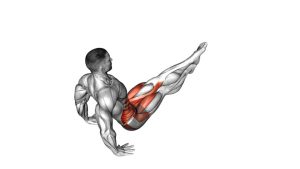
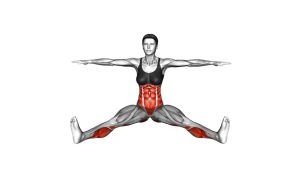
Straight-Leg Wipers are best used when you already have solid basic core strength. The movement places a long lever load on the trunk because the legs stay extended while rotating from side to side. As a result, the abs must resist lower-back arching, while the obliques control rotation and prevent the hips from dropping too fast. A clean rep should look steady from the floor. The shoulders remain down, the arms stay wide, and the legs move together as one long unit.
This exercise is especially useful for building rotational core strength, lower-ab control, and oblique endurance. However, it should never feel like a lower-back strain. If the legs pull your spine into a hard arch, shorten the range of motion, bend the knees slightly, or return to an easier variation.
Quick Overview
| Body Part | Core |
|---|---|
| Primary Muscle | Obliques and rectus abdominis |
| Secondary Muscle | Transverse abdominis, hip flexors, lower back stabilizers, adductors |
| Equipment | No equipment required; exercise mat recommended |
| Difficulty | Intermediate to advanced |
Sets & Reps (By Goal)
- Core strength: 3–4 sets × 6–10 reps per side with a slow, controlled tempo.
- Oblique endurance: 2–3 sets × 10–14 total alternating reps with moderate range.
- Advanced control: 3–5 sets × 5–8 reps per side with a 1–2 second pause near the bottom.
- Technique practice: 2–3 sets × 4–6 reps per side using a shortened range of motion.
- Core finisher: 2 sets × 8–12 total reps at the end of an abs workout.
Progression rule: First improve control and range before adding volume. Longer legs, slower tempo, and deeper side rotation all increase difficulty. Never progress if your lower back loses contact with the floor.
Setup / Starting Position
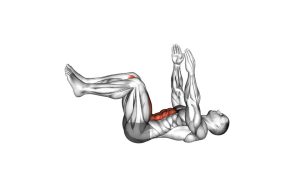
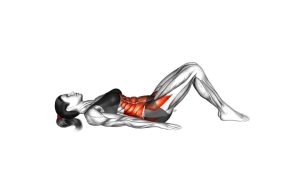
- Lie flat on your back: Use a mat or firm floor surface. Keep your head, upper back, and hips supported.
- Open your arms wide: Place both arms out to the sides in a T-shape. Press the backs of your hands or palms lightly into the floor for balance.
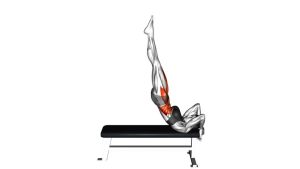
- Raise both legs: Lift your legs until they point upward. Keep the knees straight, feet together, and toes controlled.
- Brace your core: Pull the ribs down slightly and tighten the abs before the legs move. The lower back should not aggressively arch.
- Anchor your shoulders: Keep both shoulders on the floor. The arms help stabilize the body, but they should not create excessive tension.
- Start from center: Begin with your legs vertical above the hips. This middle position is your reset point between each side.
Setup tip: If the straight-leg position is too intense, bend the knees slightly. This reduces the lever length and makes the exercise easier to control.
Execution (Step-by-Step)
- Brace before moving: Take a controlled breath, tighten your abs, and keep the ribs from flaring upward.
- Lower the legs to one side: Rotate both legs together toward one side. Move slowly and avoid letting gravity pull the legs down.
- Keep the legs connected: Maintain straight knees and keep both feet together. The legs should move like one solid lever.
- Control the bottom range: Stop before your shoulders lift or your lower back twists aggressively. The legs do not need to touch the floor.
- Pull back to center: Use your abs and obliques to bring the legs back to the vertical position. Avoid kicking or bouncing.
- Repeat to the other side: Rotate the legs in the opposite direction with the same speed and range.
- Reset between reps: Each time the legs return to center, re-brace your core before lowering again.
Pro Tips & Common Mistakes
Pro Tips
- Think “control,” not speed: The exercise becomes more effective when each side-to-side rotation is slow.
- Use your arms as stabilizers: Press lightly into the floor to keep your chest and shoulders grounded.
- Shorten the range when needed: A smaller clean rep is better than a deep uncontrolled rep.
- Exhale during the hard part: Breathe out as you bring the legs back to center to improve bracing.
- Keep the legs long: Straight knees increase the challenge, but only if your spine stays controlled.
Common Mistakes
- Dropping the legs too fast: This turns the exercise into a swing and reduces core tension.
- Letting the shoulders lift: When the upper body rolls with the legs, the obliques lose control.
- Arching the lower back: Excessive arching usually means the range is too large or the legs are too heavy.
- Bending and straightening repeatedly: Keep the knee angle consistent throughout the full set.
- Using momentum at the center: Pause briefly if the legs swing through the middle too quickly.
- Forcing the bottom position: Touching the floor is not required. Control matters more than depth.
FAQ
What muscles do Straight-Leg Wipers work?
Straight-Leg Wipers mainly train the obliques and rectus abdominis. The transverse abdominis helps brace the trunk, while the hip flexors help keep the legs elevated. Lower-back stabilizers also work isometrically to support the spine.
Are Straight-Leg Wipers good for abs?
Yes. They are a strong abs exercise because the legs create a long lever that challenges the core. The movement also targets the obliques more than many basic crunch variations because the legs rotate side to side under control.
Should my legs touch the floor on each side?
No. Your legs only need to lower as far as you can control. Many athletes should stop before the legs reach the floor. A controlled partial range is safer and more effective than forcing a deep range with poor form.
Why does my lower back hurt during this exercise?
Lower-back discomfort often happens when the legs are too heavy for your current core strength or when the range is too large. Try bending the knees, reducing the side angle, slowing down, or practicing dead bugs and bent-knee wipers first.
Are Straight-Leg Wipers beginner-friendly?
Usually, no. This version is more demanding because the legs remain straight. Beginners should start with bent-knee windshield wipers, dead bugs, reverse crunches, or side planks before progressing to the straight-leg version.
How can I make Straight-Leg Wipers easier?
Bend your knees, lower only halfway, keep your feet closer to the hips, or perform the movement with a slower and smaller range. These changes reduce the lever load while still training the same core pattern.
How can I make the exercise harder?
Slow the tempo, pause near the bottom, increase the range, or hold a light medicine ball between the feet. Only use harder variations when your shoulders stay flat and your lower back remains controlled.
Recommended Equipment
- Thick Exercise Mat — supports your spine and hips during floor-based core exercises.
- Non-Slip Yoga Mat — helps keep your body stable while rotating the legs side to side.
- Adjustable Ankle Weights — optional advanced progression for athletes who already control the bodyweight version.
- Small Medicine Ball — can be held between the feet for a harder core challenge.
- Core Sliders — useful for related core stability exercises and progression work.
Equipment note: Straight-Leg Wipers do not require gear. A comfortable mat is the most useful item because it improves floor contact and reduces pressure on the spine.