Burpee Single-Leg Jump: Proper Form, Sets, Benefits & FAQ
Learn how to do the Burpee Single-Leg Jump with proper form. Discover muscles worked, setup, step-by-step execution, sets and reps by goal, common mistakes, FAQs, and recommended equipment.
Burpee Single-Leg Jump
This exercise is best used by athletes and experienced trainees who already have solid single-leg strength, landing mechanics, and bodyweight control. Because the movement combines a burpee pattern with unilateral jumping, it places a high demand on the quads, glutes, calves, and core. Focus on quality over speed—smooth transitions and stable landings matter more than rushing through reps.
Quick Overview
| Body Part | Plyometrics |
|---|---|
| Primary Muscle | Quadriceps |
| Secondary Muscle | Glutes, calves, hamstrings, core, shoulders, and chest |
| Equipment | None |
| Difficulty | Advanced |
Sets & Reps (By Goal)
- Explosive power: 3–5 sets × 3–5 reps per leg, 60–120 sec rest
- Athletic conditioning: 3–4 sets × 5–8 reps per leg, 45–75 sec rest
- Coordination and balance: 2–4 sets × 3–6 reps per leg, controlled pace, 60 sec rest
- Metabolic finisher: 2–3 rounds × 4–6 reps per leg, alternating sides with short rest
Progression rule: Master clean landings and stable single-leg takeoffs before adding more reps, speed, or fatigue. Do not progress by sacrificing balance or impact control.
Setup / Starting Position
- Stand tall on one leg: Keep the working foot flat and the non-working leg slightly off the floor.
- Brace your core: Maintain a neutral spine and keep your chest lifted without over-arching the lower back.
- Set your balance first: Hips stay level and the knee tracks over the toes of the working leg.
- Keep your hands ready: Your arms should be free to swing naturally during the descent and jump.
- Use open space: Perform the drill on a flat, non-slip surface with enough room for your burpee transition.
Tip: If full single-leg burpee mechanics are too difficult, first build confidence with single-leg squat-to-reach drills and standard burpee jumps.
Execution (Step-by-Step)
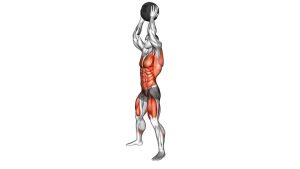
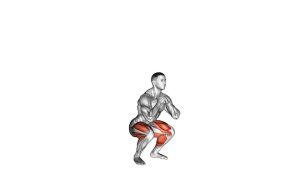
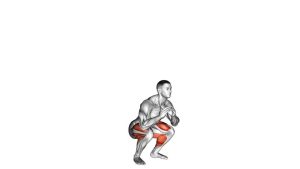
- Lower on one leg: Bend the working knee and hips as you descend into a single-leg squat-like position.
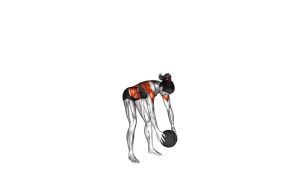
- Place your hands on the floor: Reach down in front of the working foot while keeping the movement controlled.
- Kick back into a plank-style position: Transition quickly while maintaining core tension and body alignment.
- Drive the working leg forward again: Bring the foot back underneath you so you can rise smoothly.
- Stand up explosively: Push through the working foot and extend the hip, knee, and ankle.
- Jump vertically on the same leg: Use your arms for momentum and leave the floor with control.
- Land softly: Absorb impact through the ankle, knee, and hip while keeping the torso stable.
- Reset your balance: Regain control before starting the next rep or switching legs.
Pro Tips & Common Mistakes
- Own the landing: A soft, balanced landing matters more than jumping as high as possible.
- Do not rush the floor phase: Slamming into the ground usually leads to poor body positions and lost balance.
- Keep the knee aligned: Let it track naturally over the toes instead of collapsing inward.
- Use your arms well: A good arm swing improves rhythm, jump height, and control during transitions.
- Stay braced through the core: Avoid excessive rotation or sagging during the plank transition.
- Do both sides evenly: Train your weaker side first to reduce asymmetries.
- Do not train it overly fatigued: This is a high-skill plyometric drill, so quality should stay high.
FAQ
What muscles does the Burpee Single-Leg Jump work?
It mainly targets the quadriceps, while also heavily involving the glutes, calves, hamstrings, and core. The shoulders and chest also assist during the floor-contact portion.
Is this exercise good for athletes?
Yes, it can be very useful for athletes who need unilateral power, reactive strength, body control, and conditioning. It is especially relevant for sports that involve sprinting, cutting, jumping, and deceleration.
Is the Burpee Single-Leg Jump beginner-friendly?
No. This is an advanced exercise. Most beginners should first master regular burpees, single-leg squats, basic jump mechanics, and controlled single-leg landings before attempting it.
How high should I jump?
Only as high as you can while maintaining a stable takeoff and landing. Explosive intent matters, but clean mechanics and safe impact absorption matter more than maximum jump height.
Should I alternate legs every rep or complete one side first?
Either method can work. Completing all reps on one side can improve focus and rhythm, while alternating reps can reduce local fatigue. Choose the format that lets you keep your technique sharp.
Recommended Equipment (Optional)
- Plyometric Exercise Mat — provides a more forgiving surface for repeated floor contact and landing practice
- Supportive Training Shoes — helps with grip, stability, and shock absorption during unilateral jumps
- Mini Resistance Bands Set — useful for glute activation work before plyometric sessions
- Agility Cones — great for building footwork, direction changes, and athletic conditioning circuits
- Foam Roller — supports recovery work for the quads, calves, glutes, and hips after explosive training
Tip: Good footwear and a safe training surface make a big difference when performing high-impact unilateral exercises.