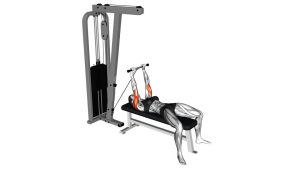
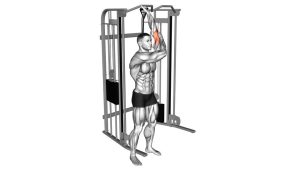
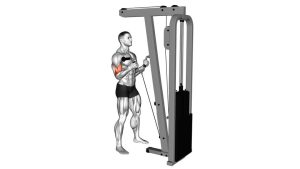
Cable Hammer Curl: Proper Form, Sets, Tips & FAQ
Learn the Cable Hammer Curl to build stronger forearms and thicker arms with constant cable tension. Includes form tips, sets by goal, mistakes, FAQs, and recommended equipment.
Cable Hammer Curl
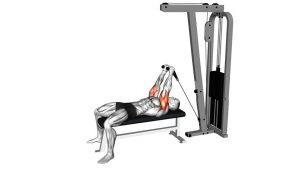
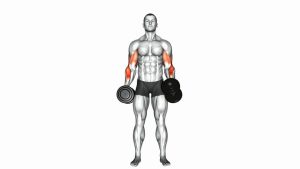
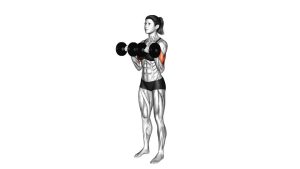
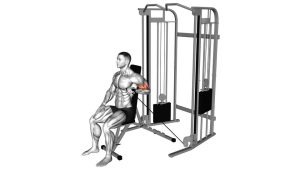
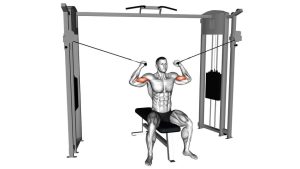
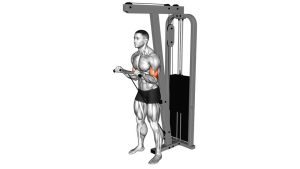
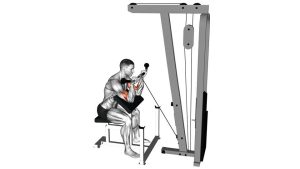
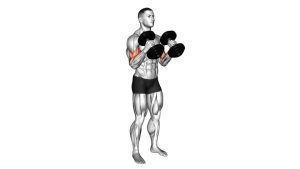
This exercise works best when the upper arms stay mostly still and the forearms do the moving. You should feel the strongest contraction through the brachioradialis and upper forearm, with the biceps assisting throughout the curl. The cable makes it easier to keep tension on the muscles from the bottom to the top, but only if you avoid swinging, shrugging, or leaning back to move the weight.
Quick Overview
| Body Part | Forearms |
|---|---|
| Primary Muscle | Brachioradialis |
| Secondary Muscle | Biceps brachii, brachialis, wrist and grip stabilizers |
| Equipment | Cable machine with rope attachment or neutral-grip handles |
| Difficulty | Beginner to Intermediate |
Sets & Reps (By Goal)
- Muscle growth: 3–4 sets × 8–12 reps with controlled tempo and 60–90 sec rest
- Forearm emphasis: 3–4 sets × 10–15 reps with a hard squeeze at the top and 45–75 sec rest
- Strength-focused arm work: 4–5 sets × 6–8 reps with strict form and 90–120 sec rest
- Finisher / pump work: 2–3 sets × 12–20 reps with short rest and steady tension
Progression rule: Add reps first, then small load increases. Only progress when you can keep your elbows tucked, wrists neutral, and torso still through every rep.
Setup / Starting Position
- Attach the handle: Use a rope attachment or neutral-grip cable handle on a low pulley.
- Stand tall: Face the machine with feet about hip-width apart and your chest up.
- Grip neutral: Hold the rope or handles with your palms facing each other.
- Set the arms: Let your arms hang straight down with a slight bend at the elbows and tension already on the cable.
- Brace lightly: Tighten your core and keep your shoulders down so the curl starts from the elbows, not the torso.
Tip: Step back just enough to keep constant tension at the bottom without the weight stack slamming down between reps.
Execution (Step-by-Step)
- Start under tension: Begin with the cable already pulling slightly against your hands.
- Curl upward: Bend the elbows and bring the handles upward while keeping a neutral, thumbs-up grip.
- Keep elbows pinned: Your upper arms should stay close to your ribs with minimal shoulder movement.
- Squeeze at the top: Pause briefly when your forearms come near your upper arms and feel the contraction through the forearms and biceps.
- Lower slowly: Control the eccentric all the way back down until your arms are nearly straight.
- Repeat smoothly: Maintain tension and avoid bouncing or swinging into the next rep.
Pro Tips & Common Mistakes
- Use a true neutral grip: Don’t let the hands rotate into a regular curl during the rep.
- Keep the wrists straight: Bent wrists reduce force transfer and can irritate the joint.
- Don’t lean back: Torso swing turns the movement into a cheat curl and steals tension from the forearms.
- Control the lowering phase: The eccentric is a major part of forearm and arm development.
- Don’t let the elbows drift forward: Keep them near your sides to maintain the right curl pattern.
- Use moderate loads well: This exercise responds extremely well to strict, repeatable reps.
FAQ
What muscles does the cable hammer curl target most?
The main target is the brachioradialis, which gives the upper forearm a thicker look. The biceps and brachialis also contribute, especially as the elbow flexes through the rep.
Is the cable hammer curl better than dumbbell hammer curls?
Both are excellent. The cable version gives you more consistent tension through the full range, while dumbbells may feel more natural and convenient. Many lifters use both in the same program.
Should I use a rope or individual handles?
A rope attachment is the most common option and works very well, but individual neutral-grip handles can also feel excellent if they allow a comfortable wrist position.
How heavy should I go on cable hammer curls?
Use a load that lets you keep your elbows still, wrists neutral, and eccentric controlled. If you need body English to finish the reps, the load is too heavy.
Can this exercise help improve grip and forearm size?
Yes. While it is mainly an elbow-flexion exercise, the neutral grip and forearm involvement make it useful for improving forearm development and supporting overall grip strength.
Recommended Equipment
- Rope Cable Attachment — ideal for cable hammer curls with a comfortable neutral grip
- D-Handle Cable Attachment — useful if you prefer individual hand positioning and a more natural wrist path
- Wrist Roller — great accessory for direct forearm and grip development outside of curls
- Adjustable Hand Gripper — helps build crushing grip strength and complements forearm-focused training
- Wrist & Forearm Strengthener — useful for extra forearm volume, endurance, and lower-arm conditioning
Tip: For this exercise itself, the most useful purchase is a high-quality rope cable attachment. The other tools are best used as accessories to improve forearm strength, grip, and arm detail.