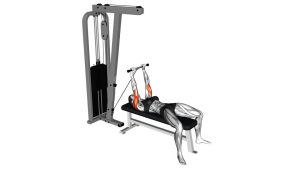
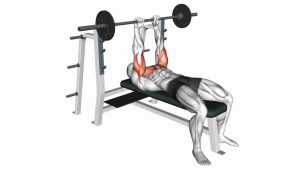
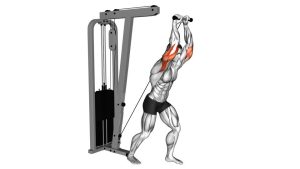
Cable Lying Triceps Extension (with Rope): Form, Sets, Tips & FAQ
Learn the Cable Lying Triceps Extension with Rope for stronger triceps, better lockout control, and smooth elbow-friendly reps. Includes setup, step-by-step execution, sets by goal, common mistakes, FAQs, and recommended Amazon equipment.
Cable Lying Triceps Extension (with Rope)
This variation works especially well for lifters who want constant cable tension without relying on swinging or shoulder drive. You should feel the movement mostly in the back of the upper arms, with a noticeable stretch at the bottom and a tight squeeze at full extension. Keep the tempo controlled and avoid letting the elbows drift excessively.
Quick Overview
| Body Part | Triceps |
|---|---|
| Primary Muscle | Triceps brachii |
| Secondary Muscle | Anconeus, forearm stabilizers, shoulders (stabilizing only) |
| Equipment | Cable machine, rope attachment, flat bench or floor space |
| Difficulty | Intermediate |
Sets & Reps (By Goal)
- Muscle growth: 3–4 sets × 8–12 reps, 60–90 sec rest
- Strength-focused accessory work: 3–5 sets × 6–8 reps, 90 sec rest
- Joint-friendly pump work: 2–4 sets × 12–15 reps, 45–75 sec rest
- Finisher after pressing: 2–3 sets × 15–20 reps, controlled tempo, short rest
Progression rule: Add reps first, then increase the cable load slightly while keeping the elbows steady and the rope path smooth.
Setup / Starting Position
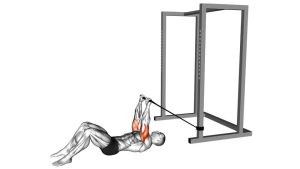
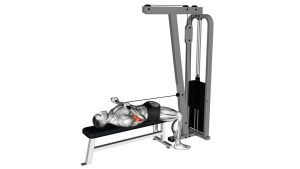
- Attach a rope to the cable machine and position a flat bench so you can lie under the line of pull comfortably.
- Grab the rope with a neutral grip and lie back with your head supported and feet planted firmly.
- Bring the rope above the face or forehead area with the elbows bent and upper arms angled so the triceps stay loaded.
- Set the shoulders down and keep the chest stable—avoid shrugging or flaring the ribcage.
- Start with tension on the cable before the first rep so the exercise begins under control, not slack.
Tip: A slight backward angle of the upper arms can help keep tension on the triceps instead of letting the shoulders take over.
Execution (Step-by-Step)
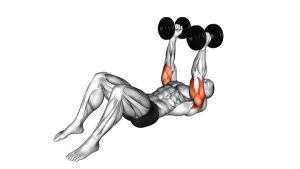
- Lock in the upper arms: Keep your elbows relatively fixed and pointed upward rather than letting them drift all over the place.
- Extend the elbows: Press the rope upward by straightening the arms until you reach a strong triceps contraction.
- Separate the rope slightly at the top: Let the rope ends move apart naturally to improve the squeeze without over-twisting the wrists.
- Pause briefly at lockout: Hold for a moment while keeping tension on the triceps and shoulders relaxed.
- Lower under control: Bend the elbows slowly and return the rope toward the forehead area for a deep but comfortable stretch.
- Repeat smoothly: Keep each rep controlled, with no bouncing, heaving, or dropping into the bottom position.
Pro Tips & Common Mistakes
- Keep the elbows mostly in place: A little natural movement is fine, but excessive travel reduces isolation.
- Don’t rush the lowering phase: The eccentric is where you control the stretch and protect the elbows.
- Use the rope to your advantage: Split it slightly at the top for a better contraction, but don’t exaggerate the motion.
- Avoid going too heavy too early: Too much load often turns this into a sloppy pressing pattern.
- Keep wrists neutral: Don’t over-bend them backward or inward to fake extra range.
- Choose clean reps over max load: The triceps respond best when tension stays continuous and the lockout is deliberate.
FAQ
What makes the rope version different from a straight bar version?
The rope allows a more natural wrist position and lets you separate the hands slightly at the top, which many lifters find more comfortable on the elbows and better for peak contraction.
Should my elbows stay perfectly still?
Not perfectly, but they should stay relatively stable. Small movement is normal, while large elbow drift usually means the load is too heavy or the setup needs adjustment.
Is this exercise good for the long head of the triceps?
Yes. Because the arms are positioned overhead or slightly back relative to the torso while lying down, the long head can get a strong stretch and a solid contraction.
Where should I feel this exercise?
Mostly in the triceps, especially the back of the upper arms. You may also feel some light forearm and shoulder stabilization, but the triceps should clearly dominate the movement.
Can beginners use this exercise?
Yes, but it works best once you understand how to control elbow position and cable tension. Beginners should start light and focus on smooth reps rather than chasing heavy weight.
Recommended Equipment
- Tricep Rope Cable Attachment — the most direct accessory for this exercise, giving a comfortable neutral grip and clean lockout.
- Adjustable Workout Bench — useful for setting up a stable lying position and expanding your cable and dumbbell exercise options.
- Resistance Band Set — great for warm-ups, triceps burnout sets, and travel-friendly arm training when cables are not available.
- Elbow Sleeves for Weightlifting — can help keep the elbows warm and supported during high-volume arm sessions.
- Cable Machine Handles / Attachment Set — useful if you want more cable training variety for triceps, back, shoulders, and arm isolation work.
Tip: Prioritize a durable rope attachment and a stable bench first. Those two upgrades usually make the biggest difference for comfort, consistency, and long-term usefulness.