Roman Chair Sit-Up: Proper Form, Core Benefits, Sets, Tips & FAQ
Learn the Roman Chair Sit-Up for stronger abs and core control. Includes proper setup, execution, sets, common mistakes, FAQs, and equipment tips.
Roman Chair Sit-Up
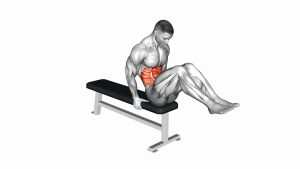
This exercise works best when the torso rises and lowers with steady control. Although the Roman chair position can create a strong abdominal stretch, the goal is not to throw the body upward. Instead, brace your core, keep the feet anchored, and curl the torso upward in a clean path. Additionally, the lowering phase should stay slow enough to keep tension on the abs rather than dropping into the bench.
Quick Overview
| Body Part | Abs |
|---|---|
| Primary Muscle | Rectus abdominis |
| Secondary Muscle | Hip flexors, obliques, deep core stabilizers |
| Equipment | Roman chair, decline sit-up bench, or adjustable ab bench with ankle pads |
| Difficulty | Intermediate; advanced when performed with added weight or a deeper decline |
Sets & Reps (By Goal)
- Core strength: 3–4 sets × 6–10 reps with a slow lowering phase.
- Muscle growth: 3–5 sets × 8–15 reps using controlled tempo and full abdominal tension.
- Endurance: 2–4 sets × 15–25 reps with clean form and no swinging.
- Beginner progression: 2–3 sets × 6–8 partial-range reps before using a deeper range.
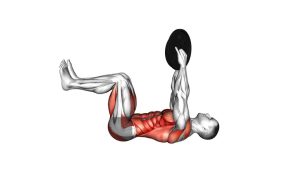
- Weighted progression: 3–4 sets × 6–12 reps while holding a light plate across the chest.
Progression rule: Add range and control before adding weight. Once every rep stays smooth, you can progress by increasing reps, slowing the eccentric, or holding a light load against the chest.
Setup / Starting Position
- Secure your feet: Place your ankles under the Roman chair or decline bench pads so your lower body stays fixed.
- Position your hips: Sit firmly on the pad with your hips supported and your legs straight or slightly bent, depending on the bench design.
- Set your arms: Cross your arms over your chest, as shown in the video, to avoid pulling with the hands.
- Brace your core: Gently tighten your abs before lowering into the starting position.
- Control the bottom: Lean back until your torso is extended, but only use a range you can control without lower-back strain.
Keep the setup tight before every rep. As a result, the abs can do more of the work while the legs simply anchor your body.
Execution (Step-by-Step)
- Start extended: Begin with your torso reclined on the Roman chair while your ankles stay locked under the pads.
- Brace first: Tighten your abs before moving so your spine does not collapse into the bottom position.
- Curl upward: Lift your torso by flexing through the abs and spine instead of swinging from the hips.
- Reach the top: Continue until your torso comes close to upright, just like the top position shown in the video.
- Pause briefly: Hold the top position for a moment while keeping the feet anchored and the arms still.
- Lower slowly: Reverse the motion with control and allow the torso to return toward the extended position.
- Reset and repeat: Maintain the same smooth path for every repetition without bouncing at the bottom.
Pro Tips & Common Mistakes
- Use your abs first: Start each rep with a brace, then curl upward with control.
- Avoid momentum: Do not swing from the bottom position because it shifts stress away from the abs.
- Control the descent: The lowering phase builds strength, so avoid dropping back quickly.
- Keep the arms fixed: Crossing the arms over the chest helps prevent pulling or throwing the body upward.
- Do not overextend: A deep bottom position is only useful if your lower back feels safe and controlled.
- Exhale as you rise: Breathing out during the upward phase can help you brace and finish the sit-up cleanly.
- Progress gradually: Add weight only after you can complete smooth bodyweight reps without pain or bouncing.
FAQ
What muscles does the Roman Chair Sit-Up work?
The Roman Chair Sit-Up mainly targets the rectus abdominis. However, the hip flexors, obliques, and deep core stabilizers also assist because the body must control a large torso movement against gravity.
Is the Roman Chair Sit-Up good for abs?
Yes. It can be very effective for the abs because it creates a longer range of motion than many floor sit-up variations. However, it must be performed with control so the lower back and hip flexors do not take over the movement.
Should beginners do Roman Chair Sit-Ups?
Beginners can use a partial range of motion, but the full version is usually better for intermediate trainees. If the bottom position feels too intense, start with floor crunches, decline crunches, or a smaller Roman chair range.
Why do I feel Roman Chair Sit-Ups in my hip flexors?
Some hip flexor involvement is normal because the legs are anchored and the torso moves through a large range. Nevertheless, if the hip flexors dominate, slow down, reduce the range, and focus on curling the ribs toward the pelvis.
Can I make Roman Chair Sit-Ups harder?
Yes. You can slow the lowering phase, increase the range slightly, add a pause at the top, or hold a light plate across the chest. Still, weight should only be added after your bodyweight reps stay smooth and pain-free.
Recommended Equipment
- Roman Chair Sit-Up Bench — the main equipment option for performing the exercise with ankle support.
- Adjustable Decline Sit-Up Bench — useful for changing difficulty by adjusting the decline angle.
- Weight Plate — allows progressive overload once bodyweight reps become easy.
- Exercise Mat — helpful around the bench area for comfort and safer home-gym setup.
- Ab Workout Bench with Ankle Holders — a compact alternative for sit-ups, decline crunches, and core training.
Tip: Choose equipment that keeps the ankles secure and the bench stable. A stable setup makes the movement cleaner and reduces unwanted swinging.