Roll Biceps Lying on Floor: Form, Muscles Worked, Sets, Tips & FAQ
Learn how to perform the Roll Biceps Lying on Floor with proper form. Discover muscles worked, setup tips, step-by-step execution, sets and reps by goal, common mistakes, FAQs, and recommended equipment.
Roll Biceps Lying on Floor
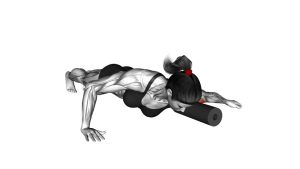
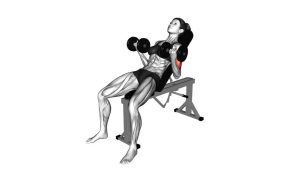
This exercise works best when you stay patient and controlled. The floor limits excessive cheating and encourages a cleaner rep path, making it useful for lifters who want to improve biceps isolation, mind-muscle connection, and tempo control. The movement should feel smooth, not rushed, with the weights lifted and lowered under full control.
Quick Overview
| Body Part | Biceps |
|---|---|
| Primary Muscle | Biceps brachii |
| Secondary Muscle | Brachialis, brachioradialis, anterior deltoid (stabilizing role) |
| Equipment | Pair of dumbbells and open floor space or exercise mat |
| Difficulty | Beginner to Intermediate |
Sets & Reps (By Goal)
- Muscle growth: 3–4 sets × 8–12 reps with controlled tempo and 60–90 seconds rest
- Technique and control: 2–3 sets × 10–15 reps using lighter weight and slower lowering
- Warm-up or activation: 2–3 sets × 12–15 reps with light dumbbells and smooth range of motion
- End-of-workout finisher: 2–3 sets × 12–20 reps with strict form and short rest
Progression rule: First improve control, consistency, and range. Then increase reps or time under tension before moving up in weight.
Setup / Starting Position
- Lie flat on your back: Position yourself on the floor or on an exercise mat with your spine neutral and your head relaxed.
- Hold a dumbbell in each hand: Keep your grip secure and your wrists straight.
- Place your arms close to your sides: Let the upper arms settle comfortably near the torso with the elbows extended but not aggressively locked.
- Set your shoulders: Keep them down and stable instead of shrugging upward.
- Brace lightly: Tighten the core just enough to keep the body steady during the curl.
Tip: A mat can improve comfort and help you stay focused on smooth arm movement rather than floor pressure.
Execution (Step-by-Step)
- Start from the bottom: With the dumbbells near your sides, begin in a stretched but controlled position for the biceps.
- Initiate the curl: Bend your elbows to bring the dumbbells upward while keeping the movement clean and deliberate.
- Add the rolling action: As the curl progresses, allow a subtle roll through the upper arm and shoulder so the movement feels natural rather than rigid.
- Reach the top under control: Bring the weights toward the upper torso or shoulder area without losing wrist alignment or shoulder stability.
- Squeeze briefly: Pause for a moment at peak contraction and focus on the biceps doing the work.
- Lower slowly: Reverse the motion with control, letting the arms extend smoothly back toward the starting position.
- Repeat without momentum: Keep every rep controlled, avoiding bouncing, swinging, or rushing through the eccentric phase.
Pro Tips & Common Mistakes
- Use moderate weight: This exercise is more effective with control than with heavy swinging reps.
- Keep wrists neutral: Avoid bending the wrists backward as the dumbbells come up.
- Control the lowering phase: The eccentric part is key for biceps stimulus, so do not let the weights drop.
- Do not over-roll the shoulders: A small natural roll is enough. Too much shoulder movement reduces biceps focus.
- Stay smooth at the bottom: Do not slam into full extension or lose tension between reps.
- Focus on the squeeze: Briefly pausing near the top can improve mind-muscle connection.
FAQ
What makes the Roll Biceps Lying on Floor different from a regular dumbbell curl?
This variation uses the floor for stability and adds a subtle rolling element during the curl. That setup helps reduce momentum and can make it easier to focus on smooth biceps tension.
Is this exercise good for beginners?
Yes. Beginners can benefit from the added stability of the floor, especially when learning controlled elbow flexion. Start with light dumbbells and master the motion first.
How heavy should the dumbbells be?
Choose a weight that allows you to keep every rep slow and controlled. If you need to jerk the weight or lose wrist position, go lighter.
Should the shoulders move during the exercise?
A small rolling action is part of the movement, but it should stay subtle. The biceps should still perform most of the work, not the shoulders.
Can I do this exercise at home?
Absolutely. If you have a pair of dumbbells and enough floor space, this is an easy arm exercise to perform at home.
Recommended Equipment
- Adjustable Dumbbells — versatile for progressing this exercise without needing multiple pairs of weights
- Neoprene Dumbbell Set — useful for beginners who want lighter loading and better control
- Exercise Mat — improves comfort when performing lying floor-based arm exercises
- Wrist Wraps for Weightlifting — optional support if wrist positioning becomes uncomfortable during curls
- Foam Exercise Pad — adds extra cushioning for the back, elbows, or head during floor training
Tip: For this movement, comfort and controlled loading matter more than heavy equipment. A good mat and the right dumbbell weight can improve form immediately.