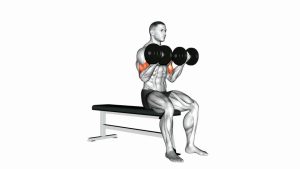
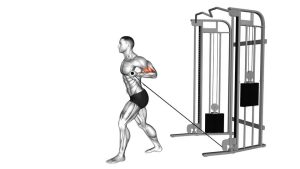
Smith Machine Biceps Curl: Proper Form, Sets, Tips & FAQ
Learn how to do the Smith Machine Biceps Curl with strict form for better biceps growth. Includes setup, step-by-step execution, sets and reps by goal, common mistakes, FAQs, and recommended equipment.
Smith Machine Biceps Curl
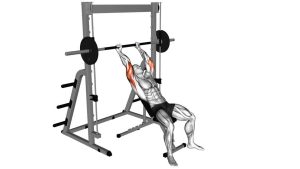
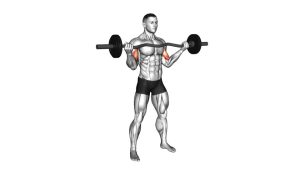
This exercise works best when you stay upright, keep your wrists stacked, and avoid turning the curl into a body-swing movement. The Smith machine helps lock in a repeatable path, which makes it easier to focus on contraction and tempo. You should feel the biceps doing most of the work, especially through the middle and top of the rep, while the shoulders and lower back remain quiet.
Quick Overview
| Body Part | Biceps |
|---|---|
| Primary Muscle | Biceps brachii |
| Secondary Muscle | Brachialis, brachioradialis, forearm flexors |
| Equipment | Smith machine |
| Difficulty | Beginner to Intermediate |
Sets & Reps (By Goal)
- Muscle growth: 3–4 sets × 8–12 reps with 60–90 sec rest
- Strength-focused arm work: 4–5 sets × 5–8 reps with 90–120 sec rest
- Technique and control: 2–3 sets × 10–15 reps with slow lowering and 45–75 sec rest
- Finisher / pump work: 2–3 sets × 12–15 reps with short rest and strict form
Progression rule: Add reps first, then add a small amount of load once you can keep the elbows steady, reach a full squeeze at the top, and lower every rep under control.
Setup / Starting Position
- Set the bar height: Position the Smith bar around upper-thigh level so you can unrack it comfortably while standing tall.
- Choose your grip: Take an underhand grip about shoulder-width apart. A slightly narrower grip can feel more comfortable on the wrists for some lifters.
- Stand close to the bar: Keep your feet about hip-width apart and line yourself up so the bar starts near the front of the thighs.
- Brace your body: Lift the chest, tighten the core, and keep the shoulders down and back without over-arching the lower back.
- Set the elbows: Let the elbows stay close to your sides and point them down rather than letting them drift forward.
Tip: A slightly forward body position relative to the bar can help you find a smoother curl path without scraping the thighs or forcing awkward wrist angles.
Execution (Step-by-Step)
- Unrack and stabilize: Rotate the bar out of the hooks and let it settle at the start position with the arms extended.
- Begin the curl: Flex at the elbows and curl the bar upward while keeping the upper arms close to your torso.
- Keep the wrists stacked: Do not let the wrists fold back excessively. Keep the grip firm but not over-squeezed.
- Lift to peak contraction: Continue curling until the forearms approach the biceps and you feel a strong squeeze without rolling the shoulders forward.
- Pause briefly: Hold the top for a short moment to reinforce control and contraction.
- Lower slowly: Reverse the movement under control until the arms are fully extended again without slamming into the bottom.
- Repeat smoothly: Perform the next rep with the same tempo and posture, avoiding momentum or torso rocking.
Pro Tips & Common Mistakes
- Stay strict: The Smith machine is most useful when you remove body swing and keep the curl clean.
- Do not let the elbows drift too far forward: A small natural shift can happen, but too much turns the movement into a front-delt assist.
- Control the eccentric: Lowering slowly improves tension and usually makes the set feel much harder in a good way.
- Do not slam the bottom: Keep tension instead of dropping into the start position between reps.
- Avoid overloading too early: More weight often leads to torso lean, shortened range of motion, and less actual biceps work.
- Use a full but comfortable range: Fully extend the arms without forcing joint lockout or shoulder roll-forward.
- Match grip width to comfort: Shoulder-width is a solid default, but small grip adjustments can improve wrist comfort and elbow tracking.
FAQ
Is the Smith Machine Biceps Curl good for building bigger arms?
Yes. It can be very effective for hypertrophy because the fixed path helps you stay strict and repeat a consistent rep pattern. That makes it easier to focus on tension, tempo, and contraction.
Is this better than a free-weight barbell curl?
Not always better—just different. A free-weight curl requires more stabilization, while the Smith machine helps reduce cheating and can make it easier to isolate the biceps with cleaner technique.
Where should I feel this exercise most?
You should feel it primarily in the front of the upper arms, especially the biceps. Some forearm involvement is normal, but the shoulders and lower back should not dominate the movement.
Should I use a straight bar grip width or a narrower grip?
Start around shoulder width. If your wrists feel uncomfortable, experiment slightly narrower or wider until the curl path feels smooth and natural without elbow pain.
Can beginners use the Smith Machine Biceps Curl?
Yes. It is beginner-friendly because the bar path is guided, which makes it easier to learn basic curl mechanics before progressing to more free-weight variations.
Recommended Equipment
- Wrist Wraps for Weightlifting — helpful if you want extra wrist support during heavier curl work
- Weightlifting Gloves — can improve grip comfort and reduce hand fatigue on high-rep arm sessions
- EZ Curl Bar Attachment — useful for cable curls and other arm variations if you want a more wrist-friendly curl angle
- Straight Bar Cable Attachment — a solid tool for adding strict cable curls and pushdowns to your arm training
- Preacher Curl Bench — great if you want another biceps-focused setup for stricter isolation work
These categories are widely available on Amazon, including EZ-curl bar attachments, straight cable bars, preacher curl benches, and other arm-training accessories.