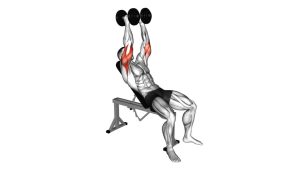
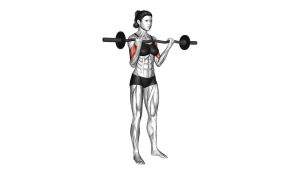
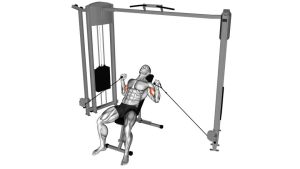
Dumbbell Standing Inner Biceps Curl: Proper Form, Sets, Tips & FAQ
Learn the Dumbbell Standing Inner Biceps Curl to target the inner biceps with strict form and strong peak contraction. Includes setup, execution steps, sets by goal, mistakes, FAQs, and recommended equipment.
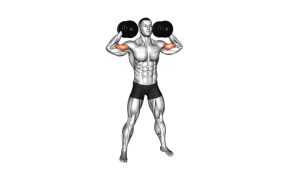
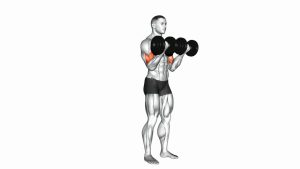
Dumbbell Standing Inner Biceps Curl
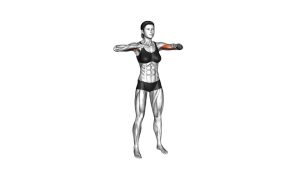
This exercise works best when performed with strict posture, controlled elbow flexion, and a deliberate squeeze at the top. You should feel the biceps doing most of the work, especially on the inside of the upper arm, without the shoulders taking over or the torso leaning back. A steady tempo and full range of motion matter more here than using excessive load.
Quick Overview
| Body Part | Biceps |
|---|---|
| Primary Muscle | Biceps brachii (short head emphasis) |
| Secondary Muscle | Brachialis, brachioradialis, forearm flexors |
| Equipment | Dumbbells |
| Difficulty | Beginner to Intermediate |
Sets & Reps (By Goal)
- Muscle growth: 3–4 sets × 8–12 reps with controlled tempo and 60–90 sec rest
- Arm definition / pump: 2–4 sets × 12–15 reps with lighter weight and strong top squeeze
- Strength-focused curling control: 3–5 sets × 6–8 reps using strict form and full range
- Beginner skill practice: 2–3 sets × 10–12 reps with light dumbbells and no body swing
Progression rule: First improve rep quality, range of motion, and top-end squeeze. Then increase reps or load gradually while keeping the elbows steady and the torso upright.
Setup / Starting Position
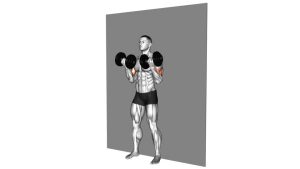
- Stand tall: Place your feet about hip-width to shoulder-width apart with the knees soft and core braced.
- Hold the dumbbells at your sides: Let the arms hang naturally with the elbows close to the torso.
- Set the shoulder position: Keep the chest up, shoulders down, and avoid rounding forward.
- Start with a neutral-to-slightly turned grip: The palms can face inward or slightly forward depending on comfort.
- Prepare for strict movement: Keep the wrists straight and the head neutral before beginning the curl.
Tip: Think “pin the elbows in place.” The cleaner the elbow position, the more tension stays on the biceps instead of shifting into the shoulders.
Execution (Step-by-Step)
- Brace and stay upright: Tighten your core and keep the torso still before initiating the lift.
- Begin the curl: Flex at the elbows and raise the dumbbells upward in a smooth arc without letting the elbows drift forward.
- Rotate into supination: As the dumbbells rise, turn the palms upward to increase biceps recruitment.
- Squeeze at the top: Bring the dumbbells near shoulder level and contract the biceps hard for a brief pause.
- Lower under control: Slowly return the weights to the starting position while keeping tension on the arms.
- Repeat evenly: Perform each rep with the same path, tempo, and posture rather than chasing momentum.
Pro Tips & Common Mistakes
- Keep the elbows tucked: Letting them drift forward reduces isolation and turns the curl into more of a front-deltoid-assisted movement.
- Supinate hard at the top: A strong palm-up finish helps increase biceps contraction and short-head emphasis.
- Do not lean back: Swinging the torso makes the movement easier but reduces muscular tension where you want it.
- Use the eccentric: Lowering slowly improves control and increases time under tension for hypertrophy.
- Do not rush the bottom: Reach near full elbow extension to train the full curl path without relaxing completely.
- Choose a manageable weight: The best results come from strict reps, not from turning curls into a full-body lift.
FAQ
What part of the biceps does this exercise target most?
This variation mainly emphasizes the short head of the biceps, often described as the inner biceps. Keeping the elbows close and fully supinating at the top helps increase that emphasis.
Is this better than a regular standing dumbbell curl?
It is not necessarily better overall, but it is a great variation when you want a stricter curl with a stronger focus on peak contraction and inner-biceps feel.
Should I curl both dumbbells at the same time or alternate?
Both options can work. Curling both together increases total tension and symmetry demands, while alternating curls can help you focus more closely on each arm.
How heavy should I go on this exercise?
Use a weight that allows you to keep the torso still, the elbows close, and the rep smooth. If you need to swing or lean back, the dumbbells are too heavy for strict execution.
Can beginners use this exercise?
Yes. It is a beginner-friendly biceps movement as long as the load stays moderate and the focus remains on controlled technique rather than momentum.
Recommended Equipment
- Adjustable Dumbbells — versatile for progressive overload and convenient for home arm training
- Weightlifting Gloves — can improve grip comfort during higher-rep biceps work
- Wrist Wraps — helpful for lifters who want extra wrist support during curls
- Adjustable Weight Bench — useful for pairing this exercise with incline curls and other arm variations
- Resistance Bands Set — good for warm-ups, arm finishers, and adding variety to biceps sessions
Tip: For most lifters, a quality pair of adjustable dumbbells gives the best long-term value for progressive arm training at home.