Dumbbell Prone Incline Curl: Proper Form, Sets, Muscles Worked & FAQ
Learn how to perform the Dumbbell Prone Incline Curl with strict form to isolate the biceps. Includes muscles worked, setup, step-by-step execution, sets and reps by goal, common mistakes, FAQs, and recommended equipment.
Dumbbell Prone Incline Curl
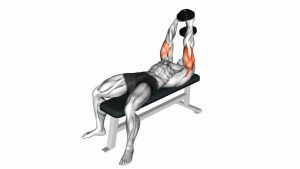
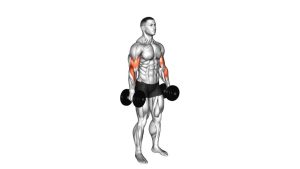
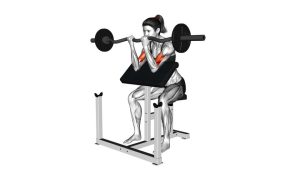
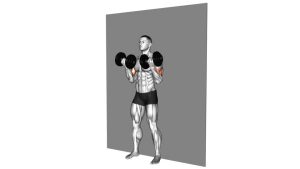
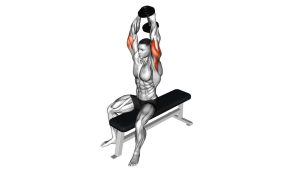
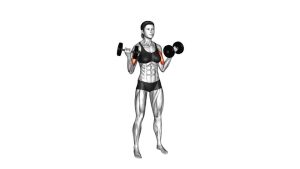
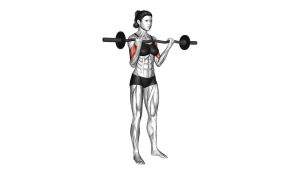
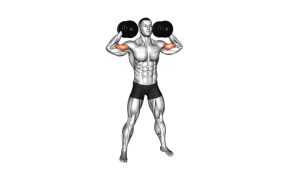
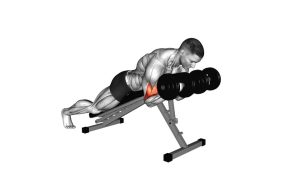
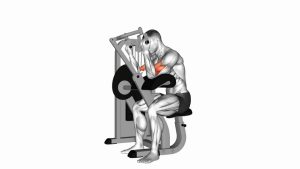
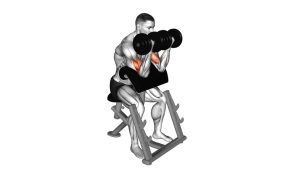
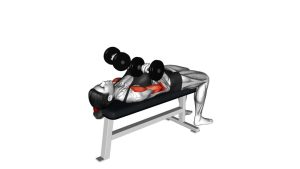
This exercise is especially useful for lifters who want a strict curling variation without relying on momentum. In the video, the athlete stays supported on the incline bench, lets the arms hang naturally, then curls the dumbbells upward with a controlled tempo and stable elbows. The result is a clean arm-building movement that emphasizes technique, stretch, and contraction rather than load alone.
Quick Overview
| Body Part | Biceps |
|---|---|
| Primary Muscle | Biceps brachii |
| Secondary Muscle | Brachialis and brachioradialis |
| Equipment | Dumbbells and an incline bench |
| Difficulty | Beginner to Intermediate |
Sets & Reps (By Goal)
- Muscle growth: 3–4 sets × 8–12 reps with controlled lowering and 60–90 sec rest
- Strict technique practice: 2–3 sets × 10–15 reps using lighter dumbbells and smooth tempo
- Arm finisher: 2–3 sets × 12–15 reps with short rest and constant tension
- Strength-focused curl accessory: 3–4 sets × 6–8 reps with perfect form and full range of motion
Progression rule: Add reps before adding weight. Only increase load when you can keep your chest planted on the bench, elbows stable, and tempo controlled through every rep.
Setup / Starting Position
- Adjust the bench: Set an incline bench to a moderate angle, usually around 30–45 degrees.
- Lie chest-down: Position your chest firmly against the pad with your head neutral and feet planted for balance.
- Hold the dumbbells: Let your arms hang straight down underneath your shoulders with a supinated or nearly supinated grip.
- Set the shoulders: Keep them down and back lightly without shrugging.
- Brace naturally: Maintain a stable torso and allow the bench to remove momentum from the lift.
Tip: Start with lighter dumbbells than you use for standing curls. This exercise feels harder because it removes body English.
Execution (Step-by-Step)
- Begin from a dead-hang: Start with the arms fully extended under the bench and the biceps stretched.
- Curl the dumbbells upward: Bend at the elbows and bring the weights toward your shoulders without lifting your chest off the pad.
- Keep the elbows fixed: Let the forearms move while the upper arms stay mostly in place.
- Squeeze at the top: Pause briefly when the biceps are fully contracted.
- Lower with control: Slowly return the dumbbells to the stretched bottom position without dropping them.
- Repeat smoothly: Maintain the same tempo and range of motion on every rep.
Pro Tips & Common Mistakes
- Use the bench, not momentum: Keep your chest connected to the pad throughout the set.
- Do not rush the lowering phase: The eccentric portion builds a lot of the hypertrophy stimulus.
- Avoid elbow drift: If your elbows travel too far forward, tension shifts away from the biceps.
- Do not shrug: Keep the neck relaxed and shoulders stable.
- Train the stretch: Let the arms extend fully at the bottom without turning the rep into a swing.
- Choose the right load: Too much weight will cause partial reps, momentum, and poor contraction.
FAQ
What makes the dumbbell prone incline curl different from a regular standing curl?
The bench support removes most of the body swing and cheating. That makes this variation stricter and often better for isolating the biceps through a longer, cleaner range of motion.
Which muscles does this exercise work the most?
The main target is the biceps brachii. The brachialis and brachioradialis also assist during elbow flexion, especially as the dumbbells move through the middle of the curl.
Should I use heavy or light dumbbells for this exercise?
Start lighter than you would for standing curls. This exercise is most effective when you can control the full range, pause at the top, and lower the weights slowly.
Is this exercise good for beginners?
Yes. It can be very beginner-friendly because the bench helps stabilize the body. Just keep the weight manageable and focus on clean technique first.
Can I do this exercise for hypertrophy?
Absolutely. The long stretch at the bottom, strict mechanics, and high biceps tension make it an excellent option for arm growth when programmed with enough volume and control.
Recommended Equipment
- Adjustable Incline Weight Bench — essential for setting the chest-supported position used in this exercise
- Hex Dumbbell Set — reliable free weights for progressive overload and strict curl work
- Adjustable Dumbbells — space-saving option for changing resistance quickly between sets
- Wrist Wraps for Weightlifting — helpful if your wrists fatigue before your biceps during curling movements
- Gym Grip Gloves — can improve comfort and grip stability during higher-rep dumbbell work
Tip: Prioritize a solid bench and the right dumbbell weight first. Good setup and controlled reps matter more than using heavy weight.