EZ-Bar 21s: Proper Form, Sets, Tips & FAQ for Bigger Biceps
Learn how to do EZ-Bar 21s with proper form to build biceps through bottom-half, top-half, and full-range reps. Includes setup, execution, sets by goal, mistakes, FAQs, and recommended equipment.
EZ-Bar 21s
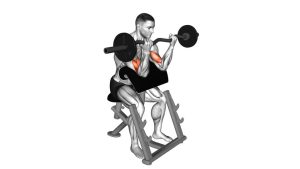
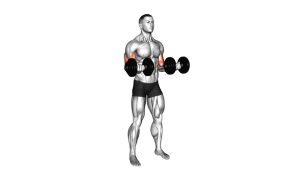
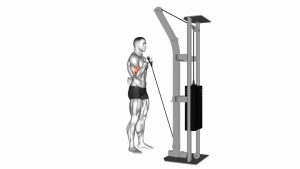
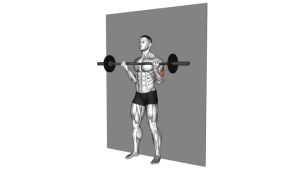
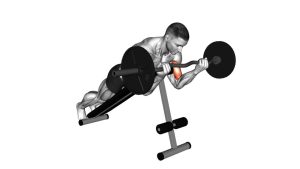
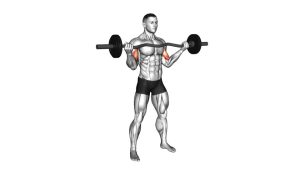
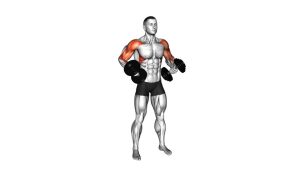
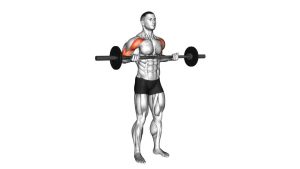
EZ-Bar 21s works best when you control every inch of the curl instead of chasing heavy weight. The first 7 reps overload the lower range, the next 7 attack the top half and peak contraction, and the final 7 force the biceps to work through the full range while already fatigued. Keep your elbows close to your sides, avoid swinging your torso, and think about squeezing the biceps rather than simply lifting the bar.
Quick Overview
| Body Part | Biceps |
|---|---|
| Primary Muscle | Biceps brachii |
| Secondary Muscle | Brachialis, brachioradialis, forearms |
| Equipment | EZ curl bar and weight plates |
| Difficulty | Intermediate |
Sets & Reps (By Goal)
- Muscle growth: 2–4 sets of 21 total reps, 60–90 seconds rest
- Finisher / arm pump: 1–3 sets of 21 total reps after your main curls
- Biceps endurance: 2–3 sets of 21 total reps with lighter weight and strict tempo
- Advanced overload: 3 sets of 21 total reps with 90 seconds rest and controlled eccentrics
Progression rule: Increase the load only when you can complete all 21 reps with clean partials, strict full-range reps, and minimal body swing.
Setup / Starting Position
- Load the EZ bar: Choose a weight lighter than your normal curl load because fatigue builds fast across all 21 reps.
- Take an underhand grip: Use the angled sections of the EZ bar that feel most natural for your wrists.
- Stand tall: Keep your chest up, core lightly braced, and feet about hip- to shoulder-width apart.
- Set the elbows: Let your arms hang straight with the elbows close to your torso and the bar near your thighs.
- Start still: Avoid leaning back before the first rep. The set should begin from a dead-stable position.
Tip: A slightly narrower EZ-bar grip often increases biceps emphasis, while a slightly wider angled grip may feel easier on the wrists.
Execution (Step-by-Step)
- Bottom-half reps (7 reps): Curl the bar from the thighs up to about elbow-height or roughly 90 degrees, then lower it back down under control.
- Stay strict: Keep the upper arms mostly fixed and avoid letting the shoulders roll forward or the torso rock backward.
- Top-half reps (7 reps): Start from the halfway point, curl the bar up toward your shoulders, squeeze the biceps hard, then lower only back to halfway.
- Full-range reps (7 reps): After the partials, perform 7 full curls from full elbow extension to the top contraction.
- Control the lowering phase: Don’t let the bar drop. Smooth eccentrics keep tension on the biceps and make the set more effective.
Pro Tips & Common Mistakes
- Use lighter weight than usual: 21s are brutally fatiguing, so strict form matters more than load.
- Don’t rush the partials: The bottom and top ranges are what make this variation effective.
- Keep wrists neutral: Don’t let them fold backward as fatigue rises.
- Stay tall: Avoid turning the movement into a cheat curl by leaning back excessively.
- Squeeze the top: A brief hard contraction improves mind-muscle connection during the top-half reps.
- Control the last 7 reps: Full-range reps under fatigue are where most form breakdown happens.
- Common mistake: Using too much weight and turning the set into a swinging partial deadlift.
FAQ
What are EZ-Bar 21s good for?
EZ-Bar 21s are mainly used for biceps hypertrophy, metabolic stress, and a strong arm pump. They challenge the curl through different ranges of motion in one continuous set.
Are EZ-Bar 21s better than regular curls?
Not necessarily better for every goal, but they are excellent as a high-intensity biceps finisher. Standard curls are usually better for straightforward progressive overload, while 21s are great for extra tension and fatigue.
How heavy should I go on EZ-Bar 21s?
Use a weight that lets you complete all 21 reps with control. Most lifters need to go lighter than they would for standard EZ-bar curls.
Do EZ-Bar 21s build the long head or short head more?
They train the entire biceps, but the different ranges emphasize different parts of the strength curve. The bottom half challenges the stretch portion, the top half hammers peak contraction, and the full reps tie it together.
Can beginners do EZ-Bar 21s?
Beginners can do them, but many will get more from learning strict regular curls first. EZ-Bar 21s are usually best once you already understand how to control elbow position and avoid swinging.
Recommended Equipment
- EZ Curl Bar — the core tool for this exercise, with angled grips that are often more wrist-friendly than a straight bar
- Olympic Weight Plates — useful for dialing in manageable jumps so you can keep all 21 reps strict
- Barbell Collars — help keep plates secure during repeated curling sets and quick transitions
- Wrist Wraps — helpful if your wrists get irritated during high-rep curling volume
- Lifting Grips or Training Gloves — optional for comfort if knurling or grip fatigue limits your set before your biceps do
Current Amazon results show active shopping pages for EZ curl bars, barbell collars, and wrist wraps, which is why these are the most relevant gear categories for this movement.