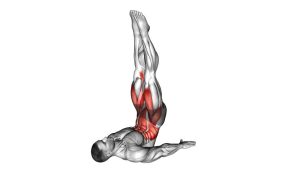
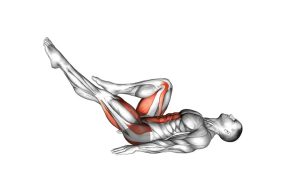
Lying Leg Raise Flat Bench: Form, Benefits, Sets, Tips & FAQ
Learn how to do the Lying Leg Raise Flat Bench with proper form. Build lower abs, improve core control, avoid common mistakes, and follow sets by goal.
Lying Leg Raise Flat Bench
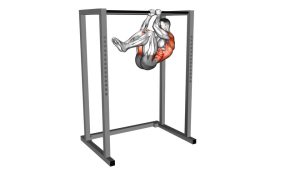
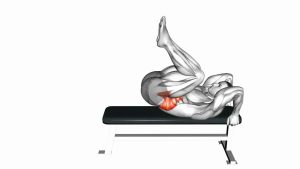
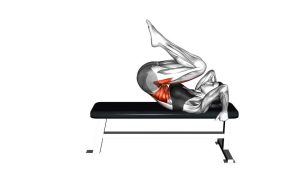
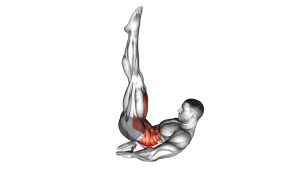
This exercise is performed by lying flat on a bench while raising both legs together in a smooth arc. Because the bench gives your body a stable base, it allows you to focus on clean leg movement, abdominal tension, and controlled breathing. The best reps are slow, steady, and strict. When done correctly, the Lying Leg Raise Flat Bench can help build stronger abs, improve pelvic control, and teach your core to resist unwanted lower-back extension.
Although many people treat this as a lower-ab isolation exercise, it also requires strong coordination between the abs and hip flexors. If your legs drop too quickly, your lower back may arch. If you swing the legs up, momentum takes over and the abs work less. For that reason, every rep should start with a brace, move with control, and finish with a slow descent.
Quick Overview
| Body Part | Core |
|---|---|
| Primary Muscle | Rectus abdominis, with strong emphasis on lower abdominal control |
| Secondary Muscle | Hip flexors, deep core stabilizers, obliques, and quadriceps as stabilizers |
| Equipment | Flat bench |
| Difficulty | Beginner to intermediate, depending on range of motion and lowering control |
Sets & Reps (By Goal)
- Beginner core control: 2–3 sets × 8–10 reps, using a short range of motion and slow lowering.
- Core strength: 3–4 sets × 10–15 reps, keeping the legs straight and the pelvis stable.
- Hypertrophy / abs focus: 3–5 sets × 12–20 reps, with constant tension and no resting at the bottom.
- Slow-tempo training: 3 sets × 8–12 reps, using a 2-second lift and 3–4-second lowering phase.
- Finisher: 2–3 sets close to technical fatigue, stopping before the lower back arches.
Progression rule: First increase control, then increase reps, then increase range of motion. Do not progress by swinging harder or lowering the legs beyond your ability to keep the lower back stable.
Setup / Starting Position
- Lie flat on the bench: Position your back, hips, and head comfortably on the bench. Your body should feel stable before the first rep begins.
- Grip the bench: Hold the sides of the bench near your hips or behind your head. This helps anchor your upper body and reduces unwanted sliding.
- Extend your legs: Keep both legs straight or slightly bent. A small knee bend is useful if your hamstrings are tight or your lower back arches too early.
- Brace your core: Gently pull your ribs down and tighten your abs before lifting. Think about locking your pelvis in place.
- Set the lower back: Keep your lower back close to the bench. You do not need to crush it down aggressively, but you should avoid a large arch.
Tip: If the full straight-leg version is too difficult, start with bent knees. You can straighten the legs more as your core control improves.
Execution (Step-by-Step)
- Start with tension: Brace your abs before the legs move. This prevents the hips from pulling the lower back into an arch.
- Raise both legs together: Lift your legs in a smooth arc until they reach about 70–90 degrees, depending on your flexibility and control.
- Keep the movement clean: Avoid kicking, swinging, or using momentum. The legs should move as one controlled unit.
- Pause briefly at the top: Hold the top position for a moment while keeping your ribs down and your abs engaged.
- Lower slowly: Bring the legs down with control. This lowering phase is where the abs work hardest to resist gravity.
- Stop before losing position: Lower only as far as you can while keeping the lower back stable. If your back arches, stop higher.
- Repeat without relaxing: Begin the next rep before the legs fully rest on the bench. This keeps constant tension on the core.
Pro Tips & Common Mistakes
Pro Tips
- Control the bottom range: The hardest part is usually near the bottom, so do not rush it.
- Use a small range first: A shorter, stricter rep is better than a large rep with back arching.
- Exhale as the legs lift: This helps bring the ribs down and improve abdominal tension.
- Keep your shoulders relaxed: Grip the bench for stability, not excessive upper-body strain.
- Think pelvis control: Your abs are working to control pelvic tilt, not just move your legs.
Common Mistakes
- Arching the lower back: This shifts stress away from the abs and may irritate the lower back.
- Swinging the legs: Momentum reduces abdominal tension and makes the exercise less effective.
- Lowering too far: Going below your control level often causes the pelvis to tilt forward.
- Holding the breath: Poor breathing can increase tension and make control harder.
- Pulling with the arms: The hands should stabilize you, not yank your torso into position.
FAQ
What muscles does the Lying Leg Raise Flat Bench work?
It mainly works the rectus abdominis, especially the lower-ab region through pelvic control. It also uses the hip flexors, obliques, deep core muscles, and quadriceps as stabilizers.
Should my lower back stay flat on the bench?
Your lower back should stay controlled and close to the bench. A small natural curve is normal for some people, but a big arch usually means the legs are lowering too far or the abs are losing tension.
Is the Lying Leg Raise Flat Bench good for lower abs?
Yes. It is a strong lower-ab-focused movement when performed with slow lowering and good pelvic control. However, the abs do not work well if you swing the legs or let the back arch.
Can beginners do this exercise?
Beginners can do it with a shorter range of motion or slightly bent knees. The straight-leg version becomes harder as the legs lower closer to the bench.
Why do I feel this in my hip flexors?
The hip flexors help lift the legs, so some activation is normal. To increase abdominal focus, brace before each rep, slow the lowering phase, and avoid letting the pelvis tilt forward.
How can I make the Lying Leg Raise Flat Bench harder?
You can slow the lowering phase, pause near the bottom, keep the legs straighter, or add ankle weights. Only progress when your lower back stays stable.
Recommended Equipment
- Flat Weight Bench — the main equipment needed for stable flat-bench leg raises.
- Adjustable Weight Bench — useful for flat, incline, and decline core exercise variations.
- Ankle Weights — optional progression tool once bodyweight reps become easy.
- Exercise Mat — useful for floor-based leg raise variations and core warm-ups.
- Resistance Bands Set — helpful for adding core, hip flexor, and mobility accessory work.
Tip: Use equipment only if it improves control. For this exercise, strict technique is more important than adding external resistance too early.