Alternate Straight Leg Raise on BOSU Ball: Form, Benefits, Sets & Tips
Learn the Alternate Straight Leg Raise on BOSU Ball for core stability, lower abs, hip control, balance, safe setup, form tips, FAQs, and gear.
Alternate Straight Leg Raise on BOSU Ball
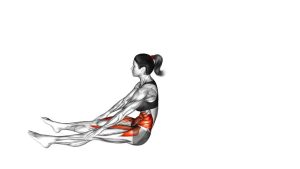
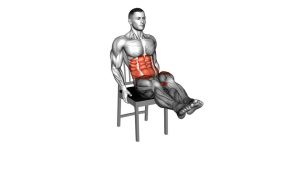
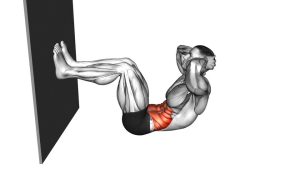
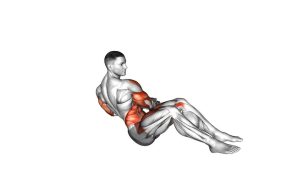
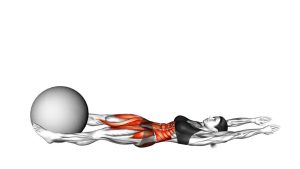
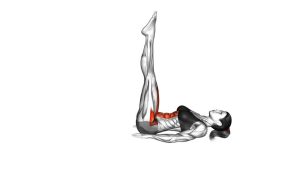
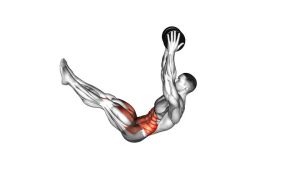
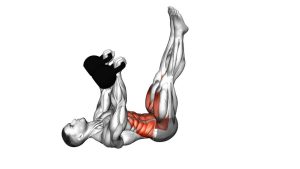
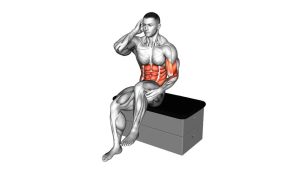
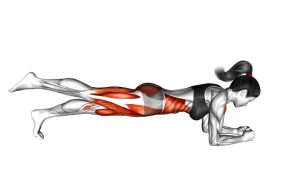
This movement is best performed with a slow rhythm and clean control. The athlete lies back with the torso supported by the BOSU ball, keeps both legs extended, and raises one leg while the other leg stays low and stable. Each repetition should come from the hip, not from swinging the leg or arching the lower back. Because the surface is unstable, the core must resist rocking, twisting, and excessive lumbar extension.
Quick Overview
| Body Part | Core |
|---|---|
| Primary Muscle | Lower abs, rectus abdominis, deep core stabilizers |
| Secondary Muscle | Hip flexors, quads, obliques, transverse abdominis, pelvic stabilizers |
| Equipment | BOSU ball or balance trainer |
| Difficulty | Beginner to intermediate because the BOSU ball adds instability |
Sets & Reps (By Goal)
- Core control and balance: 2–3 sets × 8–10 reps per side with a slow tempo.
- Lower-ab endurance: 3 sets × 10–14 reps per side with short rest periods.
- Warm-up activation: 1–2 sets × 6–8 reps per side before a core or lower-body workout.
- Form practice: 2 sets × 6 reps per side with a 2-second pause at the top of each raise.
Progression rule: First improve control, then increase reps. Do not raise the leg higher if the pelvis tilts or the lower back arches.
Setup / Starting Position
- Place the BOSU ball securely: Set the BOSU ball on a flat, non-slip surface with enough space around your body.
- Lie back with support: Position your upper back or mid-back on the dome so your torso is slightly elevated and supported.
- Extend both legs: Straighten your legs in front of you and keep the heels close to the floor or lightly hovering.
- Brace your core: Gently tighten your abs as if preparing for a small cough. Keep the ribs down and avoid flaring the chest.
- Set your arms: Place your hands on the floor or lightly on the sides of the BOSU for balance. Avoid pulling hard with the arms.
- Keep the neck neutral: Relax your head and shoulders. Your gaze should stay natural without straining the neck.
If the BOSU feels too unstable, place more of your upper back on the dome and use your hands on the floor for extra support.
Execution (Step-by-Step)
- Start with both legs long: Keep your legs straight, toes relaxed, and core braced before the first repetition.
- Raise one leg: Lift one straight leg upward from the hip while the opposite leg stays extended and low.
- Control the top position: Stop when you feel your core working strongly, but before your pelvis rolls backward.
- Keep the BOSU steady: Resist wobbling by keeping your ribs down, shoulders relaxed, and hips square.
- Lower with control: Bring the raised leg down slowly. Do not drop the heel or let the back arch.
- Switch sides: Raise the opposite leg with the same smooth tempo and repeat the alternating pattern.
- Maintain rhythm: Continue alternating legs while keeping each rep controlled, quiet, and balanced.
Pro Tips & Common Mistakes
- Move from the hip: Keep the knee straight and lift the leg using controlled hip flexion, not momentum.
- Do not chase height: A lower, cleaner raise is better than a high raise that pulls the pelvis out of position.
- Keep the opposite leg active: The non-moving leg should stay long and steady instead of relaxing completely.
- Avoid lower-back arching: If your back lifts away or feels compressed, shorten the range and brace harder.
- Control the descent: The lowering phase is where many people lose tension. Lower slowly and stay connected to your abs.
- Do not bounce on the BOSU: The BOSU is for stability challenge, not for rocking or using rebound.
- Use your hands lightly: Hands may help balance, but they should not do the work for your core.
- Breathe steadily: Exhale as the leg lifts and inhale as it lowers. Avoid holding your breath for the entire set.
FAQ
What muscles does the Alternate Straight Leg Raise on BOSU Ball work?
It mainly works the lower abs, rectus abdominis, and deep core stabilizers. It also trains the hip flexors, quads, obliques, and pelvic stabilizers because the BOSU ball challenges balance.
Is this exercise good for lower abs?
Yes. It is useful for lower-ab control because the core must prevent the pelvis from tilting while each leg moves. However, it works best when performed slowly without swinging.
Should my lower back stay flat during this movement?
Your lower back should stay controlled and comfortable. It does not need to be aggressively forced flat, but it should not arch excessively as the leg lowers.
Is the BOSU ball necessary?
No. You can perform alternate straight leg raises on the floor first. The BOSU ball is a progression because it adds instability and requires more core control.
Why do my hips rock during the exercise?
Hip rocking usually means the range is too large, the tempo is too fast, or the core is not braced enough. Lower the leg less, slow down, and keep your ribs stacked over your pelvis.
Recommended Equipment
- BOSU Balance Trainer — the main tool for performing this exercise with an unstable core challenge.
- Thick Exercise Mat — adds comfort under the hips, back, and legs during floor-based core training.
- Adjustable Ankle Weights — optional progression for advanced users once form is stable and pain-free.
- Mini Resistance Bands — useful for hip activation drills that support better pelvic control.
- Foam Roller — helpful for warm-ups, recovery, and releasing tight hip flexors or quads.
Tip: Add equipment only after your body position is stable. For most beginners, the BOSU ball alone is already enough challenge.