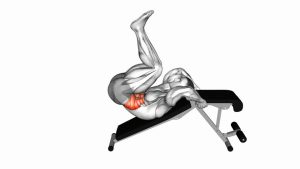
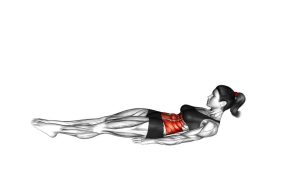
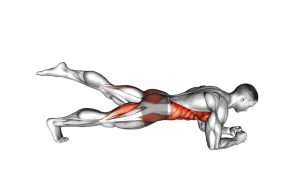
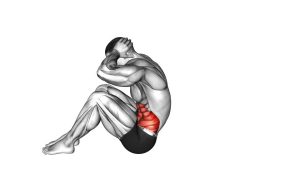
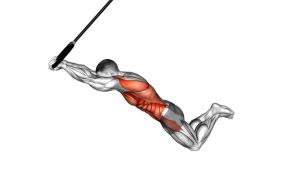
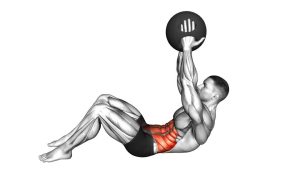
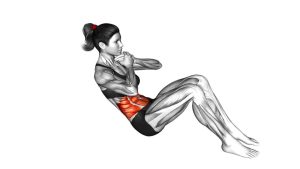
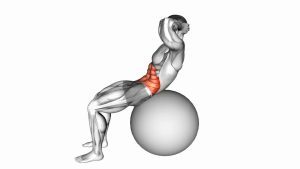
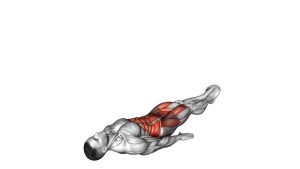
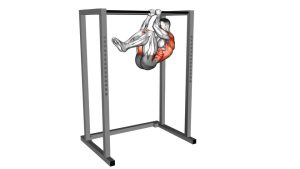
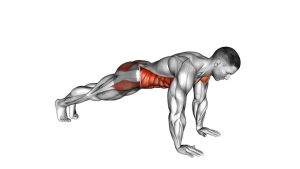
Glute-Ham Developer Crunch: Proper Form, Core Benefits, Sets, Tips & FAQ
Learn the Glute-Ham Developer Crunch for stronger abs, better trunk control, and safer core training with step-by-step form, tips, FAQs, and equipment.
Glute-Ham Developer Crunch
This exercise is best used by lifters who already understand basic core bracing and controlled trunk movement. Since the body starts from an extended position, the abs must work hard to control both the lowering phase and the upward crunch. As a result, the movement can build strong abdominal contraction, better trunk awareness, and improved control through extension and flexion.
However, the Glute-Ham Developer Crunch should never feel like a fast GHD sit-up or a hip-driven swing. The motion should look deliberate, smooth, and compact. Therefore, each rep should begin with tension, rise with abdominal control, and finish with a slow return to the stretched position.
Quick Overview
| Body Part | Core |
|---|---|
| Primary Muscle | Rectus abdominis |
| Secondary Muscle | Obliques, transverse abdominis, hip flexors, deep trunk stabilizers |
| Equipment | Glute-Ham Developer machine / GHD bench |
| Difficulty | Intermediate to Advanced |
Sets & Reps (By Goal)
- Core control: 2–3 sets × 6–10 slow reps with a controlled 2–3 second lowering phase.
- Ab strength: 3–4 sets × 8–12 reps using a clean curl and no bounce at the bottom.
- Hypertrophy: 3–4 sets × 10–15 reps with constant abdominal tension and short rest periods.
- Advanced conditioning: 2–4 sets × 12–20 reps only if the spine, hips, and tempo stay controlled.
- Beginner progression: 2 sets × 5–8 partial-range reps after mastering floor crunches first.
Progression rule: Increase range of motion before increasing volume. After that, add reps slowly. Finally, use light external resistance only when bodyweight reps remain smooth and pain-free.
Setup / Starting Position
- Adjust the GHD machine: Set the footplate and hip pad so your hips are supported securely while your torso can move freely through the desired range.
- Lock the feet in place: Slide your feet under the rollers and press them firmly into the platform. Your lower body should feel stable before the first rep begins.
- Position the hips correctly: Sit on the pad with the hips anchored. Avoid sliding too far forward, because that can turn the exercise into a hip flexor-dominant swing.
- Brace lightly before lowering: Keep your ribs controlled, tighten the abs, and avoid letting the lower back dump into excessive extension.
- Choose your arm position: Cross the arms over the chest for better control, or keep the hands close to the body. Avoid reaching overhead until you have excellent control.
Tip: If this is your first time performing the movement, use a shorter range. A clean partial rep is more useful than a deep rep performed with momentum.
Execution (Step-by-Step)
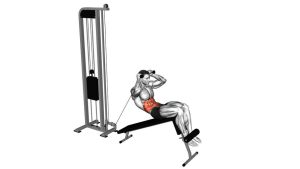
- Start tall and braced: Sit securely on the GHD with your feet locked in. Keep the abs engaged and the shoulders relaxed.
- Lower with control: Lean the torso back slowly while keeping tension through the abdominal wall. Do not relax into the bottom position.
- Reach your safe depth: Stop when you feel a strong abdominal stretch without losing control through the ribs, hips, or lower back.
- Initiate with the abs: Curl the ribs toward the pelvis. Think about rounding the upper trunk first instead of snapping the hips forward.
- Crunch upward smoothly: Continue flexing the trunk until your torso returns upright or slightly forward. Keep the movement compact and controlled.
- Squeeze at the top: Pause briefly and contract the abs without pulling on the neck or shrugging the shoulders.
- Return slowly: Lower back down with the same control. Maintain tension, breathe steadily, and avoid bouncing out of the bottom.
Pro Tips & Common Mistakes
- Lead with the ribs, not the head: The abs should create the crunch. Otherwise, the neck may tense up before the core does the work.
- Control the bottom range: Do not relax into a deep arch. Instead, keep the ribs managed and stop before the lower back feels compressed.
- Avoid swinging with the hips: A powerful hip snap reduces abdominal tension and can make the movement less effective.
- Use a slow eccentric: Lowering under control builds strength and teaches the abs to resist excessive extension.
- Keep the feet secure: Loose foot contact can cause instability, which often leads to rushed or uneven reps.
- Do not chase extreme range too early: A deep GHD crunch is demanding. Therefore, earn the range gradually through clean repetitions.
- Breathe with control: Exhale as you crunch upward. Then, inhale lightly as you lower without losing your brace.
- Stop before form breaks: When the abs fatigue, the hip flexors and lower back often take over. End the set before that happens.
FAQ
Is the Glute-Ham Developer Crunch the same as a GHD sit-up?
No. A GHD sit-up usually uses a larger range and often includes more hip extension and speed. The Glute-Ham Developer Crunch is more controlled and focuses on abdominal flexion instead of momentum.
Where should I feel the GHD crunch?
You should mainly feel the rectus abdominis working across the front of your core. Some hip flexor involvement is normal, but the exercise should not feel dominated by the thighs or lower back.
Is this exercise beginner-friendly?
It is usually better for intermediate or advanced trainees. Beginners should first master floor crunches, dead bugs, reverse crunches, and basic bracing before using the GHD machine.
How deep should I go on each rep?
Go only as deep as you can control. If your ribs flare, your lower back overarches, or you need to bounce, the range is too deep for your current level.
Can I add weight to the Glute-Ham Developer Crunch?
Yes, but only after you can perform strict bodyweight reps with excellent tempo. Start with a very light plate held close to the chest, and avoid adding load if it causes back discomfort.
How often should I train this exercise?
Most lifters can use it 1–2 times per week. Since the range is demanding, it should not be treated like an easy daily ab drill unless the volume is very low and recovery is excellent.
Recommended Equipment
- Glute-Ham Developer Machine — the main machine needed to perform the exercise with proper foot support and hip positioning.
- Ab Mat — useful for practicing controlled spinal flexion before progressing to the GHD.
- Rubber-Coated Weight Plate — can be held close to the chest for advanced weighted progressions.
- Thick Exercise Mat — helpful for warm-up drills, floor crunches, dead bugs, and core activation work.
- Foam Roller — useful for thoracic mobility and preparation before advanced trunk-extension movements.
Tip: Equipment should support better control, not harder compensation. If a tool makes the movement faster, rougher, or more painful, remove it and return to strict bodyweight reps.