Hanging Half Windmill: Suspension Core Exercise for Obliques
Learn the Hanging Half Windmill for oblique strength, rotational core control, and suspension stability with form steps, tips, FAQs, and gear.
Hanging Half Windmill
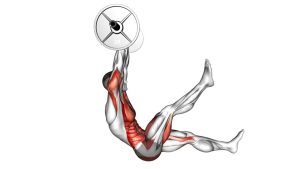
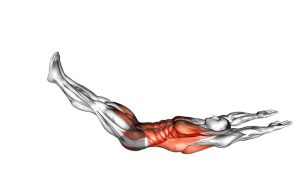
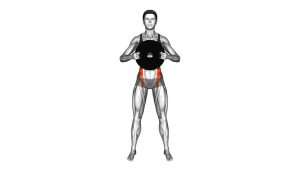
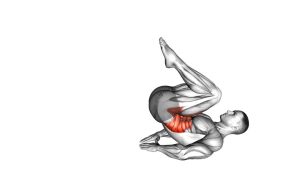
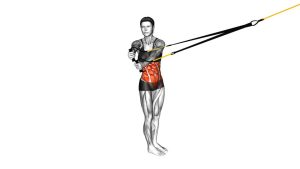
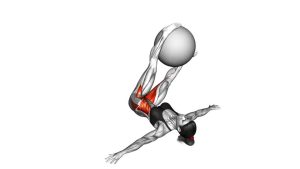
This exercise works best when the body moves as one connected unit. The arms hold the suspension handles, while the feet stay planted and the torso rotates through a controlled half-windmill pattern. As a result, the core must resist unwanted swinging while also guiding the rotation. Keep every rep slow, stable, and deliberate.
Quick Overview
| Body Part | Core |
|---|---|
| Primary Muscle | Obliques |
| Secondary Muscle | Rectus abdominis, transverse abdominis, shoulders, lats, hip stabilizers |
| Equipment | Suspension trainer, gymnastic rings, or similar hanging straps |
| Difficulty | Intermediate |
Sets & Reps (By Goal)
- Core control: 2–3 sets × 6–8 reps per side with slow rotation
- Oblique strength: 3–4 sets × 8–10 reps per side with a firm brace
- Suspension stability: 2–4 sets × 5–8 reps per side with a 1–2 second pause at the rotated position
- Warm-up activation: 1–2 sets × 5–6 controlled reps per side
Progression rule: First improve control and range. Then, gradually move the feet farther from the anchor point to increase challenge.
Setup / Starting Position
- Set the straps: Adjust the handles or rings to a height that allows a supported leaning position.
- Grip firmly: Hold both handles with straight or slightly bent arms.
- Plant your feet: Keep both feet on the floor so they can act as your base of support.
- Lean back slightly: Create body tension without letting the hips sag or the shoulders shrug.
- Brace your core: Keep your ribs down, glutes lightly engaged, and spine long before rotating.
Start with a small body angle. A deeper lean makes the movement harder and increases the stability demand.
Execution (Step-by-Step)
- Begin from center: Hold the handles and keep your body aligned in a stable leaning position.
- Rotate your torso: Turn your chest to one side while keeping your feet planted.
- Control the shoulders: Let one shoulder open back while the opposite shoulder moves forward naturally.
- Pause briefly: Stop at your controlled end range without twisting aggressively.
- Return to neutral: Rotate back to the starting position slowly.
- Repeat on the other side: Move with the same tempo and control in the opposite direction.
Pro Tips & Common Mistakes
- Move slowly: This exercise is about control, not speed.
- Keep the feet grounded: Stable feet help the obliques control the rotation.
- Avoid pulling with the arms: The arms stabilize, but the torso should guide the twist.
- Do not over-rotate: Stop where you can still breathe, brace, and return smoothly.
- Keep the ribs controlled: Avoid flaring the chest or arching the low back.
- Prevent shoulder shrugging: Keep the neck long and the shoulders away from the ears.
- Use equal control on both sides: Rotate left and right with the same range and tempo.
FAQ
What muscles does the Hanging Half Windmill work?
The Hanging Half Windmill mainly works the obliques. Additionally, it challenges the deep core, shoulders, lats, and hip stabilizers because the body must stay controlled while rotating.
Is the Hanging Half Windmill beginner-friendly?
It is usually better for intermediate trainees because suspension exercises require balance and body control. However, beginners can make it easier by using a smaller lean angle and a shorter rotation.
Should my arms pull during the movement?
No. Your arms should support and stabilize the body. Meanwhile, the torso and obliques should control the rotation. If you feel mostly arm pulling, slow down and reduce the range.
Why do my hips swing during the exercise?
Hip swinging usually means the movement is too fast or the lean angle is too difficult. Therefore, bring your feet closer to the anchor point, brace harder, and rotate with a smaller range.
Can I do this exercise with gymnastic rings?
Yes. Gymnastic rings can work if they are securely anchored and adjusted to the right height. Still, suspension straps may feel easier to control for many users.
Recommended Equipment
- Suspension Trainer — the main tool for performing hanging half windmills and similar core drills
- Gymnastic Rings with Straps — useful for advanced suspension training and bodyweight strength work
- Door Anchor for Suspension Trainer — allows home setup when a secure overhead anchor is not available
- Exercise Mat — improves foot comfort and setup stability during floor-based suspension work
- Liquid Chalk / Grip Aid — helps maintain grip when using straps or rings for controlled reps
Tip: Always check that your straps, rings, and anchor point are secure before starting. A stable setup makes the exercise safer and easier to control.