Incline Twisting Sit-Up: Proper Form, Benefits, Sets, Tips & FAQ
Learn how to do the Incline Twisting Sit-Up with proper form. Build stronger abs and obliques with setup tips, step-by-step execution, common mistakes, FAQs, and equipment recommendations.
Incline Twisting Sit-Up
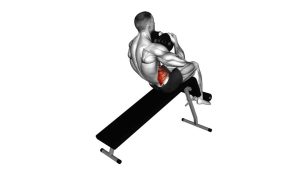
This exercise is best used after you already understand basic sit-up mechanics. Although the movement looks simple, the incline position makes it more demanding than a floor sit-up. In addition, the twisting action requires good control through the ribs, pelvis, and spine. Therefore, the goal is not to move fast. Instead, the goal is to curl upward smoothly, rotate with intention, and return under control.
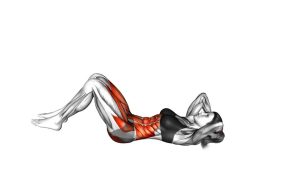
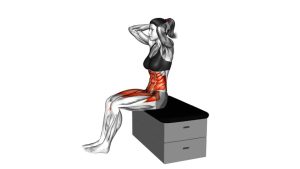
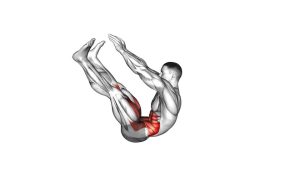
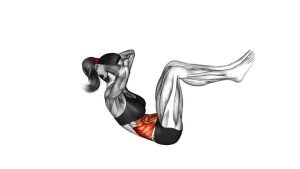
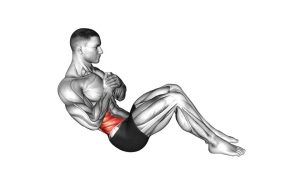
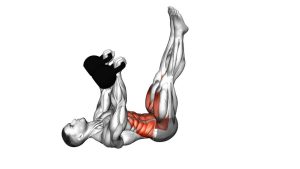
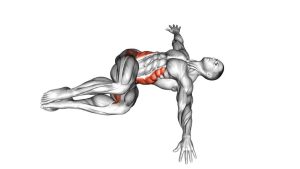
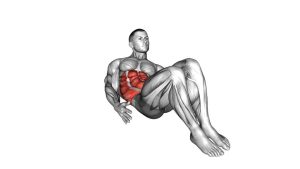
During the video movement, the athlete begins with the feet secured under the bench pads. Then, the torso rises from the inclined position. As the upper body approaches the top, the shoulders rotate toward one side. After that, the body returns to the center and lowers back down with control. This sequence creates a strong contraction through the abs while also challenging the obliques.
Quick Overview
| Body Part | Core |
|---|---|
| Primary Muscle | Rectus abdominis |
| Secondary Muscle | Internal obliques, external obliques, hip flexors, deep core stabilizers |
| Equipment | Decline bench / incline sit-up bench |
| Difficulty | Intermediate to advanced |
Sets & Reps (By Goal)
- Core strength: 3–4 sets of 8–12 reps per side with a controlled tempo.
- Muscle definition: 3 sets of 12–16 total reps while keeping constant abdominal tension.
- Oblique focus: 3–4 sets of 8–10 reps per side with a clear pause at the top twist.
- Core endurance: 2–3 sets of 15–20 total reps using a lighter incline and smooth rhythm.
- Beginner progression: 2–3 sets of 6–8 reps per side on a low incline before increasing difficulty.
Progression rule: First, improve control and range. Then, increase reps. After that, raise the bench angle or hold a light plate only if your lower back stays comfortable and your rotation remains clean.
Setup / Starting Position
- Adjust the bench angle: Start with a moderate incline. A steeper angle makes the movement harder.
- Secure your feet: Place your feet under the pads so your lower body stays stable throughout the rep.
- Sit tall first: Before leaning back, stack your ribs over your pelvis and brace your core lightly.
- Choose your hand position: Cross your arms over your chest or place your fingertips lightly near your temples.
- Lean back with control: Lower your torso until your abs are stretched, but do not collapse into the bench.
- Keep your neck neutral: Look forward or slightly upward without pulling the chin aggressively toward the chest.
If your hip flexors dominate immediately, reduce the bench angle and focus on curling your ribs toward your pelvis before adding the twist.
Execution (Step-by-Step)
- Brace before moving: Take a controlled breath, tighten your abs, and keep your pelvis stable on the bench.
- Curl the torso upward: Begin the sit-up by flexing through the abs instead of yanking with the neck or swinging the arms.
- Rise smoothly: Continue lifting until your torso approaches the top position.
- Add the twist near the top: Rotate your shoulders toward one side while keeping your hips steady.
- Squeeze briefly: Pause for a moment as the abs and obliques contract together.
- Return to center: Untwist your torso before lowering back down.
- Lower slowly: Control the descent until your torso returns to the starting angle.
- Alternate sides: Perform the next rep by twisting toward the opposite side.
Pro Tips & Common Mistakes
Pro Tips
- Rotate after you lift: Start with abdominal flexion first. Then, add the twist near the top for cleaner oblique engagement.
- Use a slow negative: Lowering slowly makes the exercise more effective and reduces momentum.
- Keep the hips quiet: Your pelvis should stay stable while your upper body rotates.
- Exhale during the lift: This helps you brace and contract the abs more strongly.
- Use a lower incline when needed: A lower bench angle is better than sloppy reps on a steep angle.
Common Mistakes
- Pulling on the head: This can strain the neck and reduce core involvement.
- Twisting too early: Rotating from the bottom can make the movement messy and stressful on the lower back.
- Using momentum: Swinging up reduces abdominal tension and increases injury risk.
- Over-rotating: Forcing a large twist can irritate the spine. Keep the rotation controlled.
- Dropping onto the bench: A fast descent removes tension and can overload the back.
FAQ
Is the Incline Twisting Sit-Up good for abs?
Yes. It strongly trains the rectus abdominis because the torso must curl upward against gravity. In addition, the twisting action increases oblique involvement, making it useful for complete core training.
Is this exercise good for obliques?
Yes. The obliques help rotate the torso during each twist. However, the movement must stay controlled. If you swing your body or pull with your arms, the obliques will not work as effectively.
Should beginners do Incline Twisting Sit-Ups?
Beginners can use this exercise only if they already control basic sit-ups well. Otherwise, it is better to start with floor crunches, dead bugs, or low-incline sit-ups before adding rotation.
Can I hold a weight during this exercise?
Yes, but only after your bodyweight form is clean. Start with a light plate or medicine ball. Also, keep the weight close to your chest so you do not create excessive pulling on the spine.
Why do I feel this exercise in my hip flexors?
The hip flexors assist because your legs are anchored and your torso is moving from an incline. To reduce hip flexor dominance, lower the bench angle, slow down, and focus on curling the ribs toward the pelvis.
Should I alternate sides every rep?
Alternating sides works well for balanced training. However, you can also complete all reps on one side before switching if your goal is stronger oblique focus and better mind-muscle connection.
Recommended Equipment
- Adjustable Decline Sit-Up Bench — the main tool for performing incline twisting sit-ups with secure foot support.
- Ab Exercise Mat — useful for floor-based core warm-ups, regressions, and cooldown movements.
- Medicine Ball — helpful for advanced twisting sit-up variations once bodyweight control is strong.
- Weight Plate — adds resistance for advanced athletes when held close to the chest.
- Core Sliders — useful for pairing this movement with plank, mountain climber, and rotational core drills.
Tip: Equipment should support better form, not replace control. Therefore, master the bodyweight version before adding load.