Lever Kneeling Leg Curl: Form, Muscles, Sets, Tips & FAQ
Learn the lever kneeling leg curl for stronger hamstrings with proper setup, controlled reps, sets by goal, common mistakes, FAQs, and equipment tips.
Lever Kneeling Leg Curl
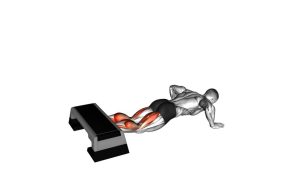
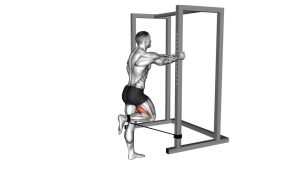
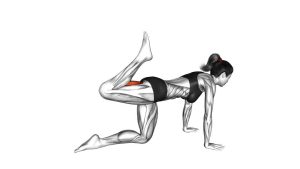
This exercise is useful for building stronger, more defined hamstrings because it allows you to focus directly on the knee-bending function of the hamstrings. The kneeling setup can also help reduce unnecessary swinging compared with some standing curl variations, making it a strong option for controlled hypertrophy work, leg-day accessory training, and posterior-chain development.
Quick Overview
| Body Part | Hamstrings |
|---|---|
| Primary Muscle | Hamstrings — biceps femoris, semitendinosus, and semimembranosus |
| Secondary Muscle | Gastrocnemius, glutes, and core stabilizers |
| Equipment | Plate-loaded lever kneeling leg curl machine |
| Difficulty | Beginner to Intermediate |
Sets & Reps (By Goal)
- Muscle growth: 3–4 sets × 8–12 reps with a strong squeeze at the top.
- Strength focus: 4–5 sets × 6–8 reps using heavier resistance and strict control.
- Beginner technique: 2–3 sets × 10–15 reps with light-to-moderate weight.
- Hamstring endurance: 2–4 sets × 15–20 reps with smooth, continuous tension.
- Warm-up activation: 1–2 sets × 12–15 reps before heavier posterior-chain training.
Progression rule: Add reps first, then increase the plate load only when every rep stays smooth, controlled, and free from hip lifting or swinging.
Setup / Starting Position
- Load the machine: Add a light-to-moderate plate load that allows full control through the entire rep.
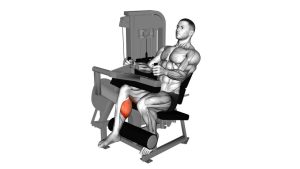
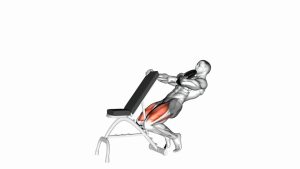
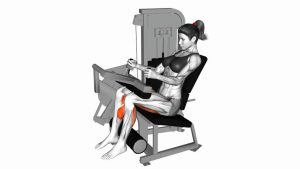
- Position your body: Kneel on the machine pad and place the working lower leg under the roller pad.
- Align the knee: Keep the working knee lined up with the machine’s pivot point as closely as possible.
- Secure your torso: Hold the handles or frame firmly to keep your upper body stable.
- Set your hips: Keep the hips square and pressed into position so the movement comes mainly from the knee.
- Start with tension: Let the leg extend near straight without locking the knee or relaxing completely at the bottom.
A correct setup should feel stable before the first rep begins. If your knee, hip, or ankle feels misaligned, adjust your position before curling.
Execution (Step-by-Step)
- Brace lightly: Hold the handles and keep your torso still without over-arching your lower back.
- Curl the pad upward: Bend the working knee and pull the heel toward the glutes using your hamstrings.
- Control the top range: Pause briefly when the hamstrings are fully shortened, without jerking the lever.
- Lower slowly: Extend the knee under control and resist the weight as the lever returns downward.
- Stop before full relaxation: Keep a slight bend at the bottom to maintain tension and protect the knee.
- Repeat with rhythm: Keep each rep smooth, steady, and consistent from start to finish.
Pro Tips & Common Mistakes
- Use a full but comfortable range: Curl high enough to contract the hamstrings, but do not force knee flexion.
- Control the lowering phase: The eccentric portion is important for hamstring strength and muscle growth.
- Avoid hip extension cheating: Do not lift or drive the hips forward to move heavier weight.
- Do not bounce at the bottom: Keep tension instead of letting the lever slam down or stretch the knee aggressively.
- Keep the ankle relaxed: Avoid turning the movement into a calf-dominant action by over-pointing or over-flexing the foot.
- Use moderate loading: Heavy weight is only useful if you can control the machine path cleanly.
- Pause at the top: A short squeeze helps improve hamstring connection and reduces momentum.
- Match both sides: If performed one leg at a time, keep the same reps, tempo, and range for each leg.
FAQ
What muscles does the lever kneeling leg curl work?
The lever kneeling leg curl mainly works the hamstrings, including the biceps femoris, semitendinosus, and semimembranosus. The calves, glutes, and core also assist with stability.
Is the kneeling leg curl good for hamstring growth?
Yes. It is effective for hamstring hypertrophy because it isolates knee flexion and allows you to train the hamstrings with controlled resistance, especially when you use a slow lowering phase and a strong top contraction.
Should I use heavy weight on this exercise?
Use enough weight to challenge the hamstrings, but not so much that your hips lift, your torso swings, or the lever drops quickly. Clean reps are more valuable than heavy, uncontrolled reps.
Where should I feel the movement?
You should feel the movement mainly in the back of the thigh. A small amount of calf involvement is normal, but the hamstrings should remain the main working muscle.
Can beginners do the lever kneeling leg curl?
Yes. Beginners can use this exercise if the machine is adjusted correctly and the weight is light enough to control. Start with higher reps, a slow tempo, and a comfortable range of motion.
What is the most common mistake?
The most common mistake is using momentum by swinging the body or lifting the hips. This reduces hamstring isolation and can place unnecessary stress on the knee or lower back.
Recommended Equipment
- Plate-Loaded Leg Curl Machine — the main machine style used for this kneeling hamstring curl variation
- Olympic Weight Plates — useful for loading plate-loaded lever machines progressively
- Knee Pad / Exercise Mat — adds extra comfort during kneeling machine work or accessory training
- Gym Handles / Grip Attachments — helps improve stability when holding machine handles or support points
- Foam Roller for Legs — useful for hamstring, quad, and calf warm-up or recovery work
Tip: Equipment should support better control, not compensate for poor form. Start light, adjust the machine carefully, and increase load only when the hamstrings stay in control.