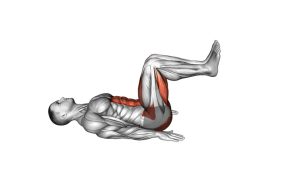
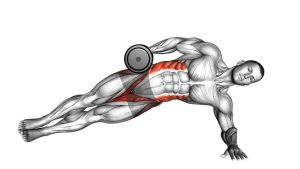
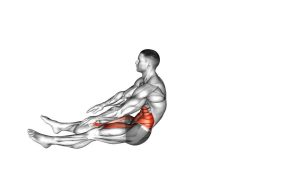
Seated 8 Leg Crunch with Chair: Core Form, Sets, Tips & FAQ
Learn the Seated 8 Leg Crunch with Chair to train abs, hip flexors, and core control with step-by-step form, sets, mistakes, FAQs, and gear.
Seated 8 Leg Crunch with Chair
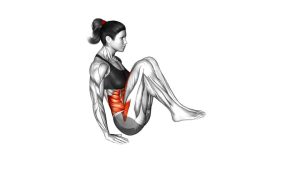
This exercise works best when the body stays stable and the legs move with control. Instead of swinging the legs or collapsing the torso forward, keep your hands anchored on the chair, brace your abs, and pull the knees inward smoothly. As a result, the movement becomes a clean seated crunch rather than a momentum-based leg swing.
Quick Overview
| Body Part | Core |
|---|---|
| Primary Muscle | Rectus abdominis |
| Secondary Muscle | Hip flexors, lower abdominals, quadriceps, deep core stabilizers |
| Equipment | Chair |
| Difficulty | Beginner to intermediate, depending on leg control and hold time |
Sets & Reps (By Goal)
- Core activation: 2 sets × 8–10 reps with slow control.
- Beginner strength: 3 sets × 10–12 reps with 45–60 seconds rest.
- Core endurance: 3–4 sets × 12–15 reps with steady breathing.
- Advanced control: 3 sets × 8–12 reps with a 1–2 second pause in the tucked position.
Progression rule: First improve control and balance. Then increase reps, pause time, or range of motion.
Setup / Starting Position
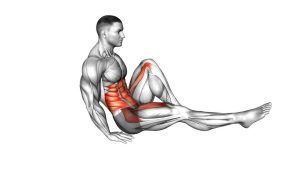
- Sit near the front edge of a stable chair: Keep enough room behind you so your torso can lean slightly back without losing balance.
- Place your hands beside your hips: Grip the chair or press your palms down to create a strong support base.
- Lean back slightly: Keep your chest lifted and your spine controlled rather than rounded heavily.
- Extend your legs forward: Keep both feet elevated and close together.
- Brace your core: Tighten your abs before the legs begin to move.
Tip: If the chair moves, place it against a wall or use a non-slip mat underneath it.
Execution (Step-by-Step)
- Start with the legs extended: Keep your feet off the floor and maintain a slight backward lean.
- Pull the knees inward: Bend your knees and draw them toward your torso in a smooth crunching motion.
- Keep the torso stable: Allow only a small crunch effect. Do not swing your upper body forward aggressively.
- Squeeze the abs: Pause briefly when your knees are closer to your chest.
- Extend the legs again: Slowly move the feet forward until the legs return to the starting position.
- Repeat with control: Keep the feet elevated throughout the set, unless you need to reset safely.
Pro Tips & Common Mistakes
- Use the chair for support, not momentum: Press down with your hands to stabilize your body, but do not bounce through the reps.
- Keep your feet elevated: This keeps the abs active and prevents the movement from becoming too easy.
- Avoid leaning too far back: Too much backward lean can shift the exercise into the hip flexors and lower back.
- Do not rush the extension: The return phase is where your core must control the legs.
- Keep the knees tracking together: Avoid letting the legs drift outward unless the variation specifically requires it.
- Breathe consistently: Exhale as the knees come in, then inhale as the legs extend.
- Reduce range if needed: Smaller, cleaner reps are better than large, uncontrolled reps.
FAQ
What muscles does the Seated 8 Leg Crunch with Chair work?
It mainly works the rectus abdominis. Additionally, the hip flexors, lower abdominals, quadriceps, and deep core stabilizers assist during the leg tuck and extension.
Is this exercise good for beginners?
Yes, it can be beginner-friendly when performed slowly with a stable chair. However, beginners should use a small range of motion first and place the feet down between reps if balance becomes difficult.
Should my back round during the movement?
A small crunching motion may happen as the knees come in. However, you should avoid collapsing deeply through the lower back or yanking your torso forward.
Why do I feel this mostly in my hip flexors?
The hip flexors assist because the legs are lifting and bending. To increase abdominal involvement, brace your core first, move slower, and avoid leaning too far back.
How can I make this exercise harder?
You can slow down the lowering phase, pause when the knees are tucked, increase reps, or keep the legs straighter during the extension. Still, control should always come before difficulty.
Recommended Equipment
- Sturdy Workout Chair — provides a stable base for seated core exercises.
- Non-Slip Exercise Mat — helps prevent the chair from sliding during the movement.
- Adjustable Ankle Weights — useful for advanced progression once bodyweight reps feel easy.
- Core Sliders — helpful for related core control drills and floor-based progressions.
- Resistance Bands Set — useful for adding variety to seated and floor core workouts.
Tip: Choose equipment that improves stability first. Extra resistance should only be added after your reps stay smooth, balanced, and pain-free.