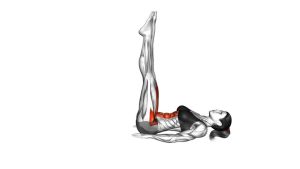
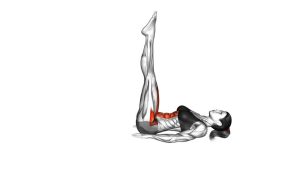
Sitting In-Out Leg Raise with Chair: Form, Benefits, Sets & Core Tips
Learn the Sitting In-Out Leg Raise with Chair to strengthen your abs, hip flexors, and core control with proper form, sets, tips, FAQs, and equipment.
Sitting In-Out Leg Raise with Chair
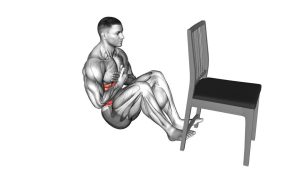
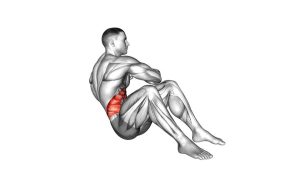
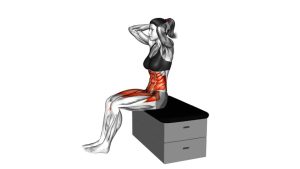
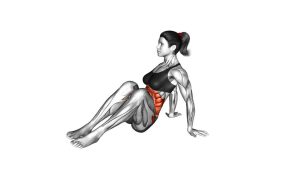
This exercise works best when the torso stays steady and the legs move in a clean in-and-out path. Although the hands hold the chair for balance, the core should still control the lift, tuck, and extension. Therefore, each repetition should feel deliberate rather than rushed. If your lower back arches, your legs drop, or your body rocks backward, shorten the range and slow the tempo.
Quick Overview
| Body Part | Core |
|---|---|
| Primary Muscle | Rectus abdominis |
| Secondary Muscle | Hip flexors, lower abdominals, deep core stabilizers, quadriceps |
| Equipment | Chair |
| Difficulty | Beginner to Intermediate |
Sets & Reps (By Goal)
- Beginner core control: 2–3 sets × 8–10 reps, resting 45–60 seconds between sets.
- Muscular endurance: 3–4 sets × 12–18 reps with a smooth, steady rhythm.
- Core strength focus: 3–5 sets × 8–12 slow reps with a brief pause in the extended position.
- Chair workout finisher: 2–3 rounds × 20–30 seconds, using controlled reps instead of speed.
Progression rule: First, increase control and range. Then, add reps or longer pauses only when your torso stays stable and your feet remain elevated.
Setup / Starting Position
- Choose a stable chair: Use a firm chair that does not roll, wobble, or slide during the movement.
- Sit near the front edge: Keep enough room to lean slightly back without losing balance.
- Grip the chair: Hold the sides of the chair firmly to help stabilize your upper body.
- Lift the feet: Bring both feet off the floor and keep the knees bent near the body.
- Brace the core: Keep the chest lifted, shoulders relaxed, and torso steady before starting the first rep.
Tip: If the full movement feels too hard, keep the knees more bent and extend the legs only halfway.
Execution (Step-by-Step)
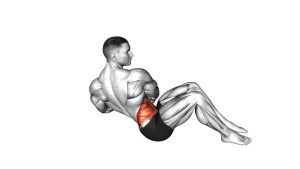
- Start in the tuck: Sit tall with your knees bent, feet together, and legs lifted off the floor.
- Lean slightly back: Keep the torso firm and supported by your hands, but avoid collapsing into the chair.
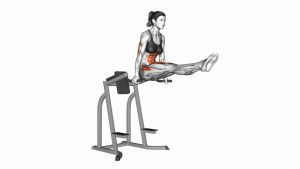
- Extend the legs forward: Slowly move both feet away from the body while straightening the knees.
- Pause briefly: Hold the extended position for a moment while keeping the feet elevated.
- Return to the tuck: Bend the knees and pull them back toward the torso under control.
- Repeat smoothly: Continue the in-and-out motion without swinging, bouncing, or dropping the feet.
Pro Tips & Common Mistakes
- Keep your feet off the floor: This keeps constant tension on the abs and hip flexors.
- Control the extension: Do not kick the legs forward quickly, because momentum reduces core engagement.
- Avoid leaning too far back: A slight lean is helpful, but excessive leaning can shift tension away from the abs.
- Keep the chest lifted: Stay long through the spine instead of rounding heavily through the upper back.
- Use your hands for stability only: Grip the chair, but do not pull so hard that your arms do all the work.
- Move both legs together: Keep the feet aligned and avoid letting one leg extend faster than the other.
- Breathe steadily: Exhale as you tuck the knees in, then inhale or brace gently as you extend.
FAQ
What muscles does the Sitting In-Out Leg Raise with Chair work?
It mainly targets the rectus abdominis, especially through the lower-ab control demand. It also works the hip flexors, deep core stabilizers, and quadriceps as the legs extend and return.
Is this exercise good for beginners?
Yes, it can be beginner-friendly when the range is short and controlled. However, beginners should start with fewer reps, keep the knees bent, and focus on keeping the chair stable.
Should my feet touch the floor between reps?
Ideally, the feet stay elevated to maintain core tension. However, if you lose control, lightly tap the floor between reps, reset your posture, and continue with better form.
Why do I feel this more in my hip flexors than my abs?
The hip flexors help lift and extend the legs, so some activation is normal. To feel more abdominal control, brace before moving, slow down the return, and avoid arching your lower back.
How can I make the Sitting In-Out Leg Raise harder?
You can extend the legs farther, slow the tempo, pause longer at full extension, or increase reps. Even so, only progress when you can keep your torso steady and your feet controlled.
Recommended Equipment
- Sturdy Workout Chair — provides a stable base for seated core exercises.
- Non-Slip Exercise Mat — helps prevent the chair from sliding on smooth floors.
- Adjustable Ankle Weights — adds resistance once bodyweight reps become easy.
- Core Sliders — useful for related core movements and floor-based progressions.
- Resistance Bands Set — supports warm-ups, hip-flexor activation, and full-body chair workouts.
Tip: Start with a stable chair and controlled bodyweight reps first. Then, add equipment only when your form stays smooth.