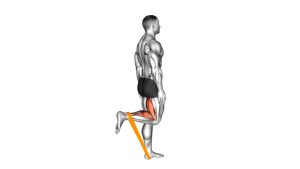
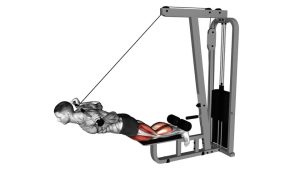
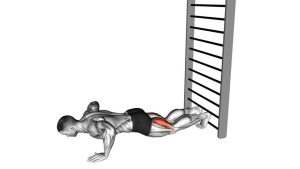
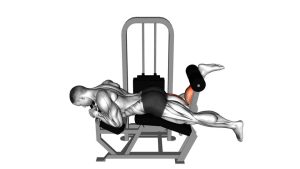
Seated Lever Leg Curl: Proper Form, Hamstring Tips, Sets & FAQ
Learn the Seated Lever Leg Curl for stronger hamstrings with safe setup, step-by-step form, sets by goal, common mistakes, FAQs, and gear.
Seated Lever Leg Curl
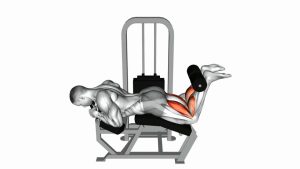
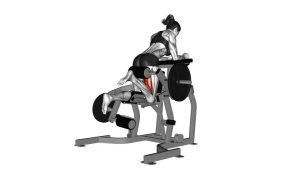
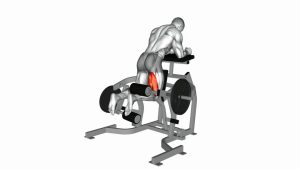
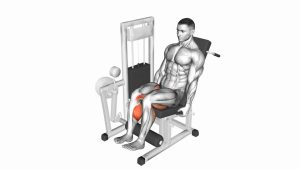
This exercise is excellent for building stronger, fuller hamstrings because the machine keeps the movement stable and easy to control. It works best when the knees are aligned with the machine pivot, the thigh pad holds the legs securely, and the hips stay pressed into the seat. Use a smooth tempo, avoid swinging, and focus on pulling with the back of the thighs instead of rushing the weight.
Quick Overview
| Body Part | Hamstrings |
|---|---|
| Primary Muscle | Hamstrings: biceps femoris, semitendinosus, semimembranosus |
| Secondary Muscle | Gastrocnemius, popliteus, and lower-body stabilizers |
| Equipment | Seated lever leg curl machine |
| Difficulty | Beginner to Intermediate |
Sets & Reps (By Goal)
- Beginner technique: 2–3 sets × 10–12 reps with light-to-moderate weight
- Muscle growth: 3–4 sets × 8–15 reps with a 1-second squeeze at the bottom
- Strength focus: 3–5 sets × 6–10 reps with controlled form and full range
- Rehab-style control: 2–3 sets × 12–15 reps using slow tempo and low load
- Finisher / pump work: 2–3 sets × 15–20 reps with short rest and clean reps
Progression rule: Add reps first, then increase weight only when you can complete every rep without hip lifting, bouncing, or losing control during the return.
Setup / Starting Position
- Adjust the seat: Sit with your back supported and your knees aligned with the machine’s pivot point.
- Set the ankle pad: Place the lower roller just above the heels or around the lower calf, depending on the machine design.
- Secure the thigh pad: Lock the pad firmly over your thighs so your legs stay stable during the curl.
- Grip the handles: Hold the side handles lightly to keep your hips and torso fixed.
- Start with control: Begin with your legs extended, knees soft, chest tall, and feet neutral or slightly dorsiflexed.
Tip: The machine should feel secure before the first rep. If your knees do not line up with the pivot, adjust the seat before adding weight.
Execution (Step-by-Step)
- Brace gently: Keep your back against the pad and your hips pressed down into the seat.
- Curl the pad downward: Bend your knees and pull the roller down using your hamstrings.
- Control the middle range: Keep the motion smooth without swinging or jerking the weight.
- Squeeze at the bottom: Pause briefly when your knees are flexed and your hamstrings are fully contracted.
- Return slowly: Let the legs extend under control until you reach the starting position.
- Repeat with rhythm: Keep every rep consistent and avoid letting the weight stack touch down hard.
Pro Tips & Common Mistakes
- Use full control: The lowering phase should be slow enough to keep tension on the hamstrings.
- Do not bounce: Avoid using momentum at the top or bottom of the movement.
- Keep hips down: Hip lifting reduces hamstring isolation and may stress the lower back.
- Pause the squeeze: A short hold at peak contraction improves muscle connection.
- Do not lock the knees aggressively: Return to extension with control, not a hard snap.
- Control ankle position: Slight dorsiflexion can help reduce calf dominance and improve hamstring focus.
- Match the machine to your body: Poor seat or pad adjustment can make the exercise feel awkward or knee-dominant.
FAQ
What muscles does the Seated Lever Leg Curl work?
The Seated Lever Leg Curl mainly works the hamstrings, including the biceps femoris, semitendinosus, and semimembranosus. The calves may assist slightly, but the main focus should stay on the back of the thighs.
Is the seated leg curl good for building hamstrings?
Yes. It is one of the best machine exercises for direct hamstring isolation because it trains knee flexion with stable body support. It is especially useful for hypertrophy, control, and balanced leg development.
Should I go heavy on seated leg curls?
You can train moderately heavy, but form must stay strict. If heavy weight causes bouncing, hip lifting, or short reps, reduce the load. Controlled tension is more important than maximum weight.
Where should I feel this exercise?
You should feel the exercise mainly in the back of your thighs. If you feel it mostly behind the knees, in the calves, or in the lower back, check your setup and reduce the weight.
Is the seated leg curl better than the lying leg curl?
Both are useful. The seated version places the hamstrings in a more lengthened position at the hip, which may create strong tension. The lying version is also effective, but the best choice depends on comfort, machine availability, and training goals.
Recommended Equipment
- Seated Leg Curl Machine — ideal for direct hamstring isolation and controlled knee-flexion training
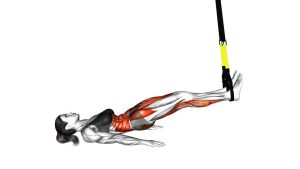
- Adjustable Ankle Straps — useful for cable hamstring curls and leg isolation alternatives
- Resistance Bands for Hamstring Curls — good for home hamstring curl variations and warm-up work
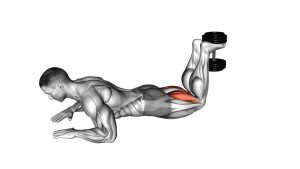
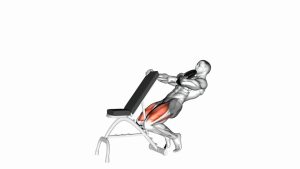
- Adjustable Exercise Bench — helpful for alternative lying or banded hamstring curl setups
- Gym Knee Sleeves — provides light warmth and support during lower-body machine training
Tip: Choose equipment that allows smooth resistance and stable positioning. The best hamstring curl setup is one that lets you train through a clean range of motion without joint discomfort.