Shoulder Adduction: Proper Form, Muscles Worked, Sets, Tips & FAQ
Learn how to perform Shoulder Adduction with proper form to target the lats, teres major, and supporting shoulder muscles. Includes setup, step-by-step execution, sets and reps by goal, common mistakes, FAQ, and recommended equipment.
Shoulder Adduction
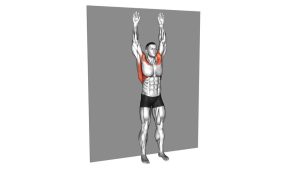
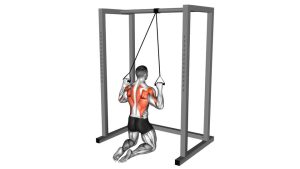
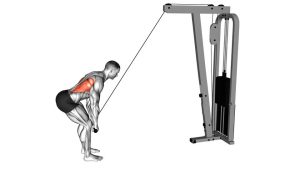
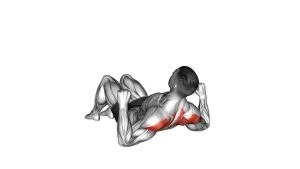
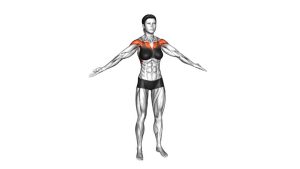
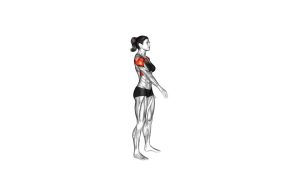
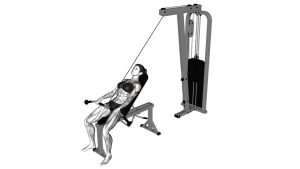
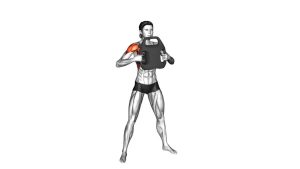
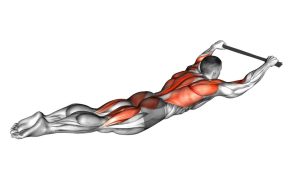
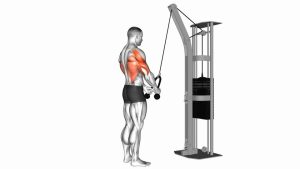
Shoulder adduction is a simple but valuable movement pattern for strength training, physique work, and shoulder control. Whether performed with a cable, resistance band, or machine setup, the goal is to bring the arm toward the side of the torso while keeping posture steady and the shoulder joint organized. When done properly, you should feel strong engagement through the lats and upper back area, not strain in the neck or excessive shrugging through the traps.
Quick Overview
| Body Part | Back |
|---|---|
| Primary Muscle | Latissimus dorsi |
| Secondary Muscle | Teres major, pectoralis major, long head of triceps, rotator cuff stabilizers |
| Equipment | Cable machine, resistance band, or machine attachment |
| Difficulty | Beginner to Intermediate |
Sets & Reps (By Goal)
- Muscle activation / warm-up: 2–3 sets × 12–15 reps with light resistance and slow control
- Hypertrophy / muscle building: 3–4 sets × 8–12 reps with controlled tempo and full tension
- Endurance / shoulder control: 2–4 sets × 15–20 reps with lighter load and strict form
- Rehab-style movement practice: 2–3 sets × 10–15 reps using a very light band and pain-free range
Progression rule: Increase resistance only after you can keep the shoulder down, the torso still, and the arm path smooth through every rep.
Setup / Starting Position
- Choose your setup: Use a cable, resistance band, or machine that allows the arm to start out to the side.
- Stand tall: Keep your chest up, ribs stacked, and spine neutral.
- Set the working arm: Begin with the arm slightly out from the body in the frontal plane, elbow softly bent.
- Pack the shoulder: Keep the shoulder blade stable and avoid elevating the shoulder toward the ear.
- Brace lightly: Tighten your core just enough to prevent leaning or rotating during the pull.
Tip: A light bend in the elbow helps reduce unnecessary joint stress and makes it easier to focus on shoulder-driven motion.
Execution (Step-by-Step)
- Start with control: Let the arm begin slightly away from the body without losing posture.
- Drive the arm downward: Pull the arm toward your side by initiating from the shoulder and lat.
- Keep the torso quiet: Do not lean, twist, or use momentum to finish the movement.
- Pause briefly: At the bottom, lightly squeeze the lat and maintain a stable shoulder position.
- Return slowly: Guide the arm back to the start under control rather than letting the resistance pull it back suddenly.
Pro Tips & Common Mistakes
- Lead with the upper arm: Focus on moving from the shoulder rather than yanking with the hand.
- Keep the shoulder down: Avoid shrugging, which shifts tension away from the lats.
- Use a manageable load: Too much resistance often turns the movement into a torso swing.
- Control the return: The eccentric phase matters for both muscle tension and shoulder stability.
- Stay in the correct plane: Don’t turn it into a front pull or diagonal press-down unless that’s the intended variation.
- Maintain a soft elbow: Locking the arm rigid can make the movement feel less natural and less controlled.
FAQ
What muscles does shoulder adduction work most?
The primary muscle is the latissimus dorsi, with help from the teres major, parts of the pectoralis major, and stabilizing muscles around the shoulder.
Is shoulder adduction a back exercise or a shoulder exercise?
It is a shoulder-joint action, but in most strength-training setups it is commonly used as a back-focused movement because the lats are a major driver of the motion.
Can I do shoulder adduction with resistance bands at home?
Yes. A resistance band with a secure anchor point works very well for home training and can provide smooth tension through the range of motion.
Should I feel this more in my lats or my shoulders?
In most cases, you should feel strong engagement through the lats and upper side-back area. If you mostly feel your neck or upper traps, reduce the load and recheck your shoulder position.
What’s the most common mistake with shoulder adduction?
The most common issue is using momentum—leaning the torso, swinging the arm, or shrugging the shoulder instead of controlling the movement with the target muscles.
Recommended Equipment
- Resistance Bands Set — ideal for light-to-moderate shoulder adduction training, warm-ups, and home workouts
- Door Anchor for Resistance Bands — creates a practical home setup for band-based adduction drills
- Padded Cable Cuff / Ankle Strap — useful when you want a cuff-style attachment for cleaner shoulder isolation
- Cable Machine Attachment Handle — helps create a stable grip for single-arm cable adduction work
- Resistance Band Kit with Handles and Door Anchor — a versatile all-in-one option for home training and progressive resistance
Tip: For pure movement quality, start with a light band or cable load. Shoulder adduction usually works best when tension is smooth and technique stays strict.