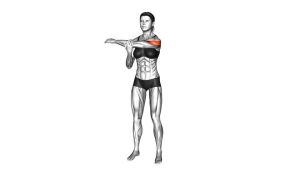
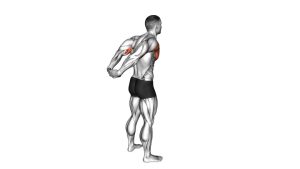
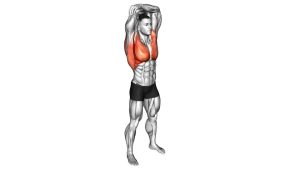
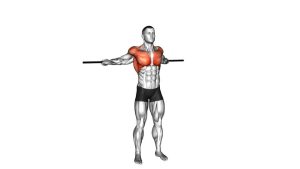
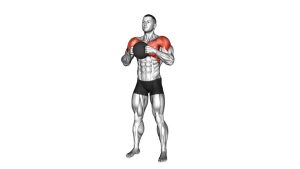
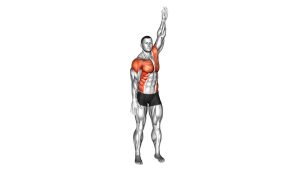
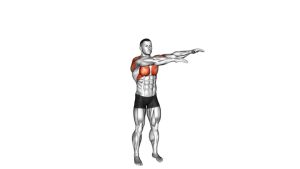
Stick Shoulder Pass-Through Stretch: Form, Benefits, Sets & FAQ
Learn how to do the Stick Shoulder Pass-Through Stretch with proper form to improve shoulder mobility, flexibility, and overhead range of motion. Includes setup, execution, tips, FAQs, and recommended equipment.
Stick Shoulder Pass-Through Stretch
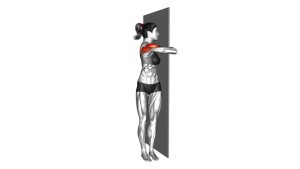
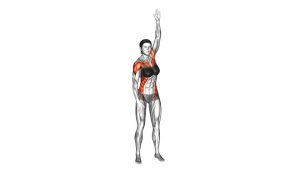
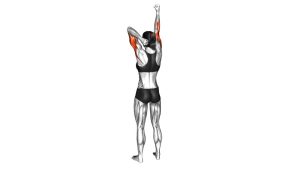
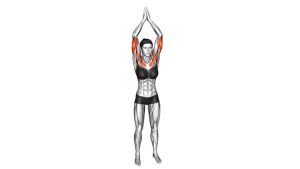
This exercise works best as a mobility drill, not a forceful stretch. A wider grip makes the movement easier, while a narrower grip increases the demand on shoulder mobility. You should feel a gentle stretch through the front of the shoulders, chest, and sometimes the upper back, but never sharp pain or pinching. Move only through the range you can control smoothly.
Quick Overview
| Body Part | Shoulders |
|---|---|
| Primary Muscle | Deltoids (especially anterior delts) and shoulder stabilizers |
| Secondary Muscle | Rotator cuff, upper back, chest, and lats (mobility demand) |
| Equipment | Mobility stick, dowel, PVC pipe, or broomstick |
| Difficulty | Beginner (adjustable by grip width and range of motion) |
Sets & Reps (By Goal)
- Warm-up before upper-body training: 2–3 sets × 8–12 controlled reps
- Shoulder mobility improvement: 2–4 sets × 10–15 reps with slow tempo
- Recovery / posture routine: 1–3 sets × 8–10 reps with a gentle end range
- Daily desk-break reset: 1–2 sets × 6–8 smooth reps, easy effort
Progression rule: Narrow your grip gradually over time only if you can keep the movement smooth, pain-free, and free from rib flare or elbow bending.
Setup / Starting Position
- Stand tall: Keep your feet about hip-width apart with a neutral spine and soft knees.
- Grip the stick wide: Hold the stick with both hands wider than shoulder width to start.
- Arms long: Extend the elbows and keep the wrists neutral.
- Brace lightly: Keep the ribs down and the core gently engaged so you do not arch the lower back.
- Neck relaxed: Keep the shoulders away from the ears and maintain a calm head position.
Tip: Start wider than you think you need. It is better to use a very comfortable grip and move well than to force a narrow one.
Execution (Step-by-Step)
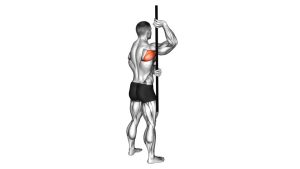
- Begin in front: Hold the stick in front of your thighs or hips with straight arms.
- Raise upward: Lift the stick up in front of your body in a slow arc.
- Move overhead: Continue bringing the stick overhead while keeping the elbows extended and the ribs controlled.
- Pass behind carefully: If your mobility allows, continue the arc until the stick travels behind your body toward the hips or lower back area.
- Reverse the path: Bring the stick back overhead and return it to the front under control.
- Repeat smoothly: Use a steady rhythm with no bouncing, jerking, or sudden force at end range.
Pro Tips & Common Mistakes
- Use a wide starting grip: This keeps the movement accessible and reduces shoulder strain.
- Keep the ribs down: Do not fake overhead mobility by arching your lower back.
- Keep the elbows straight: Bending the arms reduces the mobility demand and changes the drill.
- Move slowly: This is a mobility exercise, not a speed drill.
- Do not force behind-the-back range: Stop where the motion remains pain-free and controlled.
- Relax the neck: Avoid shrugging or turning the movement into an upper-trap exercise.
- Pair with thoracic mobility: Foam rolling and upper-back extension drills can make this movement feel smoother.
FAQ
Where should I feel the Stick Shoulder Pass-Through Stretch?
Most people feel a gentle stretch through the front of the shoulders, chest, and sometimes the lats or upper back. You should not feel sharp pinching in the shoulder joint.
What if I cannot bring the stick all the way behind my body?
That is completely fine. Widen your grip and work only through the range you can control without pain. Over time, consistency usually improves motion more effectively than forcing end range.
Is this a good warm-up before pressing workouts?
Yes. It can be a helpful shoulder warm-up before overhead pressing, chest training, or general upper-body sessions, especially when paired with light activation work for the upper back and rotator cuff.
Should I do this fast or slow?
Slow and controlled is best. Fast reps usually create compensation and reduce the quality of the shoulder stretch.
Who should be cautious with this exercise?
Anyone with current shoulder impingement symptoms, recent shoulder injury, instability, or pain during overhead movement should use caution and avoid forcing the range.
Recommended Equipment
- FANWER Shoulder Wand — portable shoulder rehab and stretching wand for controlled pass-through and mobility work
- Adjustable Yoga / Mobility Stick — length-adjustable mobility stick that works well for shoulder flexibility drills
- Resistance Bands Set — useful for pairing mobility work with light rotator cuff and upper-back activation
- High-Density Foam Roller — helpful for thoracic-extension work that often improves overhead shoulder motion
- Bamboo Yoga / Exercise Stick — a long flexibility stick option for mobility, posture, and stretching sessions
Tip: The best tool for this drill is usually a light, rigid stick with enough width to let you use a comfortable grip. Avoid using heavy bars or anything that encourages forced end range.