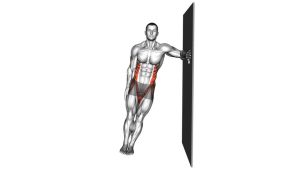
Supported Side Plank Rotation: Form, Core Benefits, Sets & Tips
Learn the supported side plank rotation on a padded stool to train obliques, core stability, and controlled torso rotation safely.
Supported Side Plank Rotation on a Padded Stool
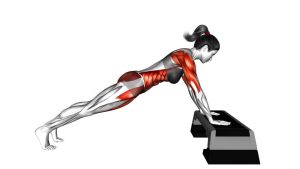
This exercise works best when the torso stays long and the rotation stays smooth. Since the stool provides support, you can focus more on controlled movement quality and less on fighting for balance. Therefore, it is useful for people who want an easier side plank variation that still challenges the obliques. However, the support should not make the movement lazy. Keep the waist lifted, keep the shoulders controlled, and avoid collapsing into the stool.
Quick Overview
| Body Part | Core |
|---|---|
| Primary Muscle | Obliques |
| Secondary Muscle | Transverse abdominis, rectus abdominis, shoulder stabilizers, hip stabilizers |
| Equipment | Padded stool, padded bench, or stable elevated support |
| Difficulty | Beginner to Intermediate |
Sets & Reps (By Goal)
- Technique practice: 2 sets × 6–8 reps per side, using a slow and controlled tempo.
- Core stability: 3 sets × 8–10 reps per side, resting 45–60 seconds between sides.
- Oblique endurance: 3–4 sets × 10–15 reps per side, keeping each rep clean and steady.
- Warm-up activation: 1–2 sets × 6–8 reps per side before a core or full-body workout.
Progression rule: First improve control and range. Then add reps. After that, you may slow the tempo or pause briefly at the open and rotated positions.
Setup / Starting Position
- Place a stable padded stool beside you: Make sure it does not slide, wobble, or tip during rotation.
- Set your supporting side on the stool: Position the side of your hip and torso so the stool supports the body comfortably.
- Extend or stack the legs: Keep the lower body steady. If needed, stagger the feet slightly for more balance.
- Brace the core lightly: Draw the ribs down and keep the waist lifted rather than sinking into the support.
- Set the shoulders: Keep the chest open at the start, with the top shoulder stacked above the lower shoulder.
- Prepare the top arm: Let the top arm guide the rotation across or under the body without yanking the torso.
Tip: The setup should feel supported, not compressed. If the stool presses uncomfortably into the ribs or hip, adjust your position before starting.
Execution (Step-by-Step)
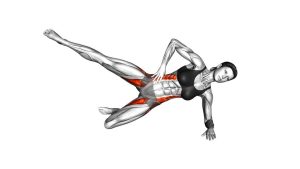
- Begin in the supported side plank: Keep the body long, the hips lifted, and the torso stable on the padded stool.
- Start the rotation from the upper body: Move the top arm inward as the chest begins to turn toward the stool.
- Rotate with control: Allow the shoulders and rib cage to follow the arm while the hips stay as steady as possible.
- Reach through the rotation: Move into a comfortable rotated position without forcing the spine or collapsing the waist.
- Pause briefly: Feel the obliques control the end range instead of bouncing through it.
- Open the chest again: Reverse the motion slowly and return the shoulders toward a stacked side-plank position.
- Reset before the next rep: Re-brace the core, check hip position, and repeat with the same smooth tempo.
Pro Tips & Common Mistakes
- Keep the hips steady: A small amount of natural movement may happen, but avoid letting the pelvis roll wildly.
- Do not rush the twist: Fast reps often turn this into momentum instead of controlled oblique work.
- Avoid sinking into the stool: Stay active through the waist so the core continues working.
- Rotate through the upper body: Let the chest and shoulders turn together rather than simply reaching with the hand.
- Keep the neck neutral: Follow the movement naturally without forcing the head forward or dropping it heavily.
- Use a stable surface: A soft, unstable, or narrow stool can make the exercise unsafe.
- Control the return: The opening phase matters as much as the inward rotation.
- Stop before form breaks: If your shoulder collapses or your hips drop, end the set and rest.
FAQ
What muscles does the supported side plank rotation work?
It mainly works the obliques. In addition, it trains the transverse abdominis, rectus abdominis, shoulder stabilizers, and hip stabilizers because your body must stay lifted while the torso rotates.
Is this easier than a regular side plank rotation?
Yes. Because the padded stool supports part of the body, it usually feels easier than a full floor side plank rotation. However, it can still challenge the core when performed slowly and with strict control.
Should my hips rotate during the movement?
The hips should stay relatively steady. Some small movement may happen naturally, but the main rotation should come from the rib cage, shoulders, and torso rather than from rolling the pelvis aggressively.
Can beginners do this exercise?
Yes, many beginners can use this as a modified side plank variation. Start with a small range of motion, use a stable stool, and focus on smooth reps before increasing volume.
Why do I feel this in my shoulder?
Some shoulder stabilization is normal. However, sharp pain or excessive pressure is not ideal. Adjust the stool position, reduce the range, or choose an easier core exercise if the shoulder feels irritated.
Recommended Equipment
- Padded Workout Bench — a stable alternative to a stool for supported side-plank variations.
- Padded Exercise Stool — useful when you need compact elevated support for modified core drills.
- Non-Slip Exercise Mat — helps keep the feet stable and improves comfort around the workout area.
- Exercise Balance Pad — can add comfort under the hip or elbow when practicing supported core work.
- Resistance Bands Set — helpful for pairing this exercise with anti-rotation presses and upper-body stability drills.
Tip: Choose equipment that stays stable under your body weight. For this exercise, safety and support are more important than extra difficulty.