Twist Crunch Legs Up: Proper Form, Core Benefits, Sets & Tips
Learn the Twist Crunch Legs Up for stronger abs and obliques. Includes form cues, sets, common mistakes, FAQs, and useful home core equipment.
Twist Crunch (Legs Up)
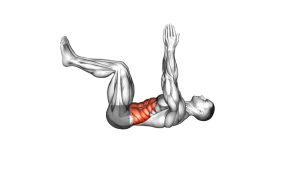
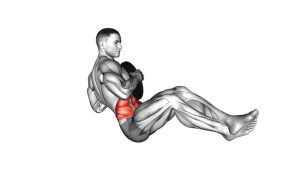
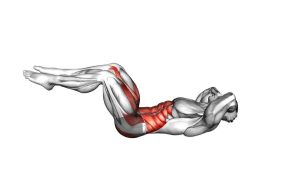
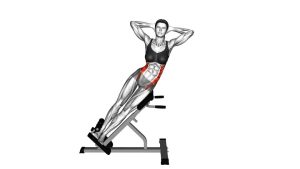
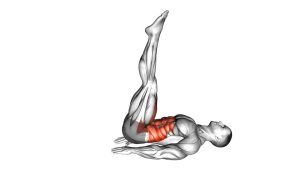
This movement is especially useful for training the rectus abdominis, internal obliques, and external obliques. Since the legs remain raised, the exercise also challenges core stability and hip-position control. However, the best results come from smooth reps, steady breathing, and a controlled diagonal crunch rather than fast elbow swinging.
Quick Overview
| Body Part | Core |
|---|---|
| Primary Muscle | Obliques and rectus abdominis |
| Secondary Muscle | Hip flexors, transverse abdominis, and deep core stabilizers |
| Equipment | None required; optional exercise mat |
| Difficulty | Beginner to intermediate, depending on control and hold time |
Sets & Reps (By Goal)
- Core activation: 2 sets × 8–10 reps per side with slow control.
- Muscle endurance: 3 sets × 12–16 total alternating reps.
- Oblique focus: 3–4 sets × 10–12 reps per side with a brief squeeze at the top.
- Beginner practice: 2 sets × 6–8 reps per side while keeping the feet steady.
Progression rule: First improve control and range quality. Then, gradually add reps, longer pauses, or slower lowering phases.
Setup / Starting Position
- Lie on your back: Start on the floor with your spine supported and your head relaxed.
- Raise your legs: Lift both legs so your hips and knees are bent, creating a tabletop position.
- Set your hands lightly: Place your hands near the sides of your head without pulling the neck forward.
- Brace your core: Gently press your lower back toward the floor and keep your ribs controlled.
- Prepare to rotate: Keep your legs still before you begin the diagonal crunch.
Execution (Step-by-Step)
- Exhale and lift: Curl your head, shoulders, and upper back slightly off the floor.
- Rotate diagonally: Turn one shoulder toward the opposite knee while keeping the legs raised.
- Squeeze briefly: Pause at the top and feel the obliques contract on the twisting side.
- Lower with control: Return your shoulders toward the floor without fully relaxing your core.
- Switch sides: Repeat the same motion toward the opposite knee, alternating side to side.
Pro Tips & Common Mistakes
- Rotate from the ribs: Do not simply move your elbow across your body. Instead, let the upper torso twist.
- Keep the neck neutral: Your hands should support lightly, not pull the head forward.
- Control the legs: The raised-leg position increases core demand, so avoid kicking or swinging.
- Use a steady tempo: Move smoothly up, pause briefly, then lower under control.
- Do not chase elbow-to-knee contact: The target is rotation and contraction, not forced range.
- Breathe with each rep: Exhale during the crunch and inhale as you return to center.
FAQ
What muscles does the Twist Crunch (Legs Up) work?
It mainly works the obliques and rectus abdominis. Additionally, the raised-leg position challenges the deep core and hip flexors because your body must stabilize the pelvis while rotating.
Is the Twist Crunch (Legs Up) good for beginners?
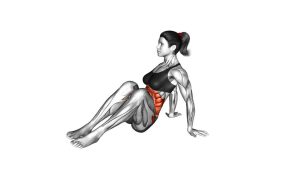
Yes, but beginners should use a small range of motion. If keeping both legs raised is too difficult, you can reduce the volume or practice standard floor twist crunches first.
Should my elbow touch my knee?
Not necessarily. Although the elbow may move toward the opposite knee, the main goal is controlled torso rotation. Forcing contact can cause neck pulling or poor form.
Why does my neck hurt during this exercise?
Neck discomfort usually happens when you pull with your hands or lead the movement with your head. Keep your hands light, lift from the upper abs, and keep your chin slightly tucked.
How can I make this exercise harder?
You can slow the tempo, pause longer at the top, increase reps, or keep your shoulders slightly elevated between alternating reps. However, only progress when your legs stay stable.
Recommended Equipment (Optional)
- Exercise Mat — provides back comfort and floor support during crunch variations.
- Ab Mat — useful for supporting controlled abdominal flexion during floor core work.
- Light Ankle Weights — optional progression for advanced users who can keep the legs stable.
- Core Sliders — helpful for building additional core control with related ab exercises.
- Resistance Bands Set — useful for pairing this exercise with anti-rotation and core stability drills.
Tip: Equipment is optional. For this exercise, clean control, steady breathing, and stable legs matter more than added resistance.