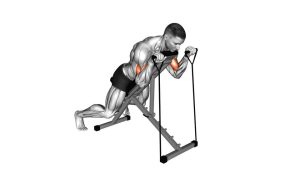
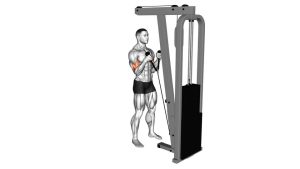
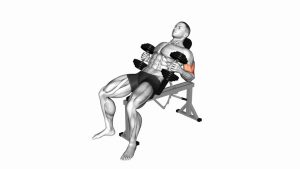
Weighted Standing Curl : Form, Sets, Tips & FAQ
Learn how to do the Weighted Standing Curl with a forearm focus using strict form. Discover setup, execution, sets by goal, mistakes to avoid, FAQs, and recommended equipment.
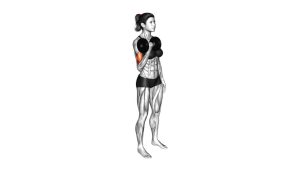
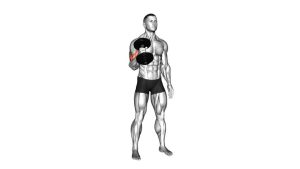
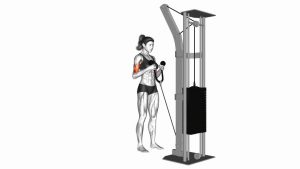
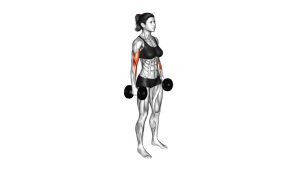
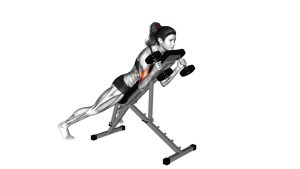
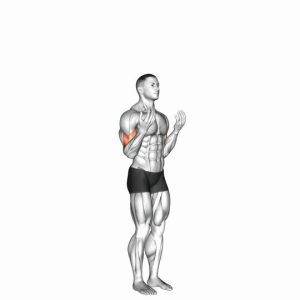
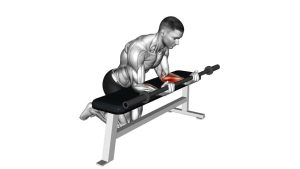
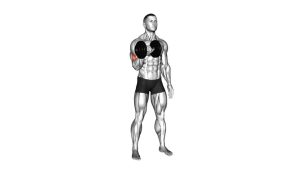
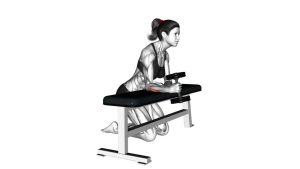
Weighted Standing Curl (Forearm Focus)
This exercise is ideal for lifters who want to build stronger forearms, improve grip endurance, and add extra arm work without needing a full barbell or machine setup. Because the load is held directly in front of the body, the movement also demands steady wrist positioning and disciplined control through the entire range of motion. The best reps are smooth, compact, and deliberate—never rushed or momentum-driven.
Quick Overview
| Body Part | Forearms |
|---|---|
| Primary Muscle | Brachioradialis |
| Secondary Muscle | Biceps brachii, brachialis, wrist flexors, grip musculature |
| Equipment | Weight plate or compact weighted object |
| Difficulty | Beginner to Intermediate |
Sets & Reps (By Goal)
- Forearm hypertrophy: 3–4 sets × 8–15 reps with controlled tempo and 45–75 seconds rest
- Grip and forearm endurance: 2–4 sets × 12–20 reps using lighter weight and clean form
- Accessory arm training: 2–3 sets × 10–15 reps near the end of an upper-body workout
- Beginner technique practice: 2–3 sets × 8–12 reps with very light resistance and slow lowering
Progression rule: Add reps first, then increase load gradually. If your elbows drift forward, wrists collapse, or you start swinging the weight, the load is too heavy.
Setup / Starting Position
- Stand tall: Keep your feet about hip-width to shoulder-width apart with your knees softly unlocked.
- Hold the load securely: Grip the weight plate with both hands in front of your thighs using a firm, balanced hold.
- Set your posture: Brace your core lightly, keep your chest up, and let your shoulders stay down and relaxed.
- Keep elbows close: Your elbows should stay near your sides rather than drifting forward.
- Start from full extension: Arms are extended, wrists neutral, and the weight is motionless before the first rep begins.
Tip: A lighter plate often works better than expected because the exercise becomes much harder when you remove momentum and keep constant grip tension.
Execution (Step-by-Step)
- Lock in your stance: Stand upright and keep the weight centered in front of your body.
- Begin the curl: Flex at the elbows and bring the weight upward in a smooth arc while keeping your upper arms mostly still.
- Keep wrists steady: Do not excessively bend the wrists to cheat the movement. Let the forearms and elbow flexors do the work.
- Lift to a strong contraction: Raise the load until your forearms are fully engaged and the weight reaches the upper abdomen or lower chest area.
- Pause briefly: Hold the top for a short moment without shrugging or leaning back.
- Lower under control: Slowly return the weight to the starting position, resisting gravity instead of letting it drop.
- Reset and repeat: Pause briefly at the bottom before beginning the next repetition.
Pro Tips & Common Mistakes
- Use controlled tempo: A slower lowering phase increases forearm tension and improves training quality.
- Keep the elbows pinned: Too much shoulder movement shifts work away from the target muscles.
- Do not swing the plate: Momentum reduces tension and makes the exercise less effective.
- Maintain a neutral wrist: Avoid curling the wrists excessively to finish the rep.
- Brace your core: Leaning back to move the weight usually means the load is too heavy.
- Train through full control: The bottom position matters—do not bounce into the next rep.
- Pair it smartly: This movement works well after rows, curls, hammer curls, or dedicated grip training.
FAQ
What muscles does the Weighted Standing Curl target most?
The main emphasis is on the brachioradialis and the rest of the forearm complex, while the biceps and brachialis assist during elbow flexion.
Is this a biceps exercise or a forearm exercise?
It trains both, but with the setup shown here, the exercise places stronger emphasis on the forearms and grip than a standard supinated dumbbell curl.
How heavy should I go?
Start light enough to avoid torso swing and wrist breakdown. You should be able to lift and lower each rep with clear control and no body English.
Can beginners use this exercise?
Yes. Beginners can use a light plate and treat it as a strict technique movement before progressing the load.
Should I do this before or after bigger arm exercises?
Most people benefit from doing it after major pulling or arm work as a focused accessory exercise for forearms and grip.
Recommended Equipment
- Standard Grip Weight Plates — practical loading option for standing curls, easy to hold and easy to progress
- Wrist Roller — excellent for building forearm endurance, wrist strength, and grip capacity
- Forearm Trainer — useful for extra direct forearm work between curl-focused sessions
- Thick Bar Grips / Fat Grips — increase grip demand and make arm training more forearm-intensive
- Grip Strength Trainer — compact tool for improving crushing grip and supporting stronger forearm training
Tip: Keep your assistance tools simple. For this exercise, better grip, moderate loading, and cleaner reps usually matter more than adding excessive weight too soon.