Wrist Extensor Stretch: Proper Form, Benefits, Sets, Tips & FAQ
Learn how to do the Wrist Extensor Stretch with proper form to improve forearm flexibility, reduce tightness, and support wrist health. Includes setup, execution, tips, FAQ, and recommended equipment.
Wrist Extensor Stretch
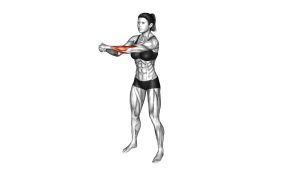
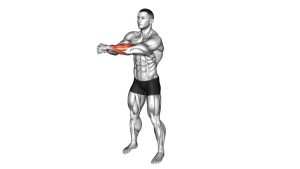
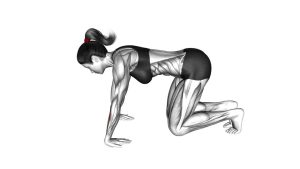
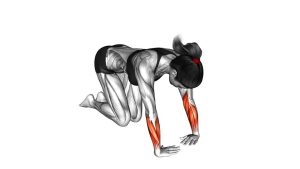
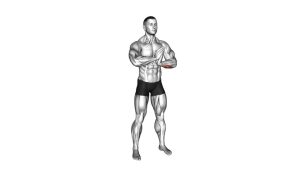
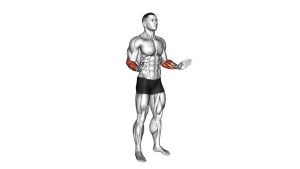
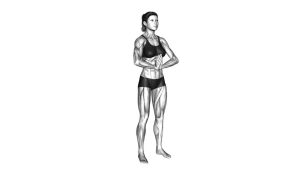
This stretch is best performed with light tension and steady breathing. You should feel the stretch along the top of the forearm and near the back of the wrist, not sharp pain in the joint itself. Keep the shoulder relaxed, avoid twisting the torso, and use only enough pressure to feel a mild-to-moderate stretch.
Quick Overview
| Body Part | Forearms |
|---|---|
| Primary Muscle | Wrist extensors |
| Secondary Muscle | Finger extensors and supporting tissues around the wrist and forearm |
| Equipment | None |
| Difficulty | Beginner |
Sets & Reps (By Goal)
- Daily mobility: 2–3 sets × 20–30 second holds per side
- Warm-up before training: 1–2 sets × 15–20 second holds per side
- Post-workout recovery: 2–4 sets × 20–40 second holds per side
- Desk-work / repetitive-use relief: 1–3 sets × 15–30 second holds as needed
Progression rule: Increase hold time gradually before increasing stretch intensity. A better stretch comes from consistency and control, not from pulling harder.
Setup / Starting Position
- Stand or sit tall: Keep your chest up, shoulders relaxed, and neck neutral.
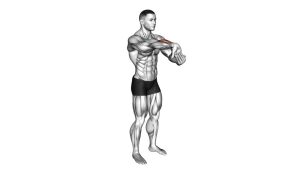
- Extend one arm forward: Raise the working arm in front of you at about shoulder height.
- Straighten the elbow: Keep the arm long without locking it aggressively.
- Turn the palm down: The forearm should be pronated so the back of the hand faces upward.
- Prepare the assisting hand: Use the opposite hand to gently grasp the fingers of the working hand.
Tip: Keep the shoulder down and relaxed. The more stable the upper arm is, the more targeted the forearm stretch becomes.
Execution (Step-by-Step)
- Hold the fingers gently: Use your opposite hand to secure the fingers and hand of the stretched arm.
- Flex the wrist downward: Pull the hand down so the fingers point toward the floor.
- Keep the elbow straight: Avoid bending the arm, since that reduces the stretch on the extensors.
- Pause and breathe: Hold the stretch for the target time while breathing normally and keeping the forearm relaxed.
- Release slowly: Return the wrist to neutral without snapping out of the stretch.
- Repeat on the other side: Perform the same controlled hold with the opposite arm.
Pro Tips & Common Mistakes
- Keep the movement gentle: This is a mobility drill, not a forceful stretch.
- Do not bend the elbow: A bent elbow usually reduces tension on the target muscles.
- Avoid shrugging the shoulder: Let the trap stay relaxed so the stretch stays in the forearm.
- Do not bounce: Hold still and let the tissues relax into the position.
- Use steady breathing: Slow breathing helps reduce guarding and improves stretch quality.
- Stay out of pain: Mild tension is fine; sharp pain is not.
- Pair it with strengthening: Mobility works even better when combined with light grip, wrist, and forearm work.
FAQ
Where should I feel the wrist extensor stretch?
You should feel it mostly along the top of the forearm and near the back of the wrist. If the sensation is only in the fingers or feels sharp inside the joint, reduce the intensity.
Can this stretch help with forearm tightness from typing or lifting?
Yes, it is commonly used to reduce stiffness created by repetitive gripping, mouse use, keyboard work, and forearm-heavy training. It is most effective when done regularly and without overpulling.
How long should I hold the stretch?
Most people do well with 15 to 40 seconds per hold. Shorter holds work well before training, while longer holds may be better after activity or during recovery sessions.
Should I do this before or after workouts?
You can do it either way. Use shorter, lighter holds before training and slightly longer relaxed holds after training or during recovery work.
Who should be cautious with this exercise?
Anyone with an acute wrist injury, recent elbow irritation, nerve symptoms, or significant pain should be careful and avoid forcing the range. When in doubt, get guidance from a qualified healthcare professional.
Recommended Equipment (Optional)
- Finger Stretcher / Finger Extension Bands — useful for balancing grip-dominant training by strengthening the finger extensors
- Grip Strength Trainer — helpful for building hand and forearm strength to pair with mobility work
- Forearm Exerciser — a practical tool for controlled wrist and forearm strengthening
- Forearm Massage Roller — can help reduce general forearm tightness before or after stretching
- Ergonomic Mouse Wrist Rest — useful for people managing repetitive desk strain that contributes to forearm tightness
Tip: These tools are optional. For most people, the stretch itself works well when performed consistently with gentle range and good posture.