Side Wrist Pull Stretch: Proper Form, Benefits, Tips & FAQ
Learn the Side Wrist Pull Stretch to improve wrist mobility, reduce forearm tightness, and support healthier hand and wrist function. Includes setup, execution, sets by goal, common mistakes, FAQs, and recommended equipment.
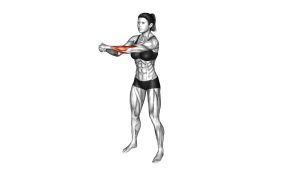
Side Wrist Pull Stretch
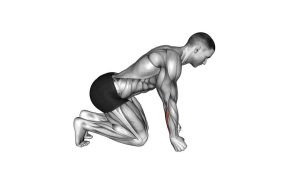
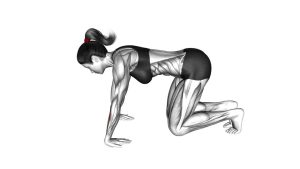
This stretch works best when performed slowly and with control. You should feel gentle tension through the forearm muscles and around the wrist without sharp pain, tingling, or joint pinching. It can be useful before upper-body training, after grip-heavy workouts, or during desk breaks when the wrists feel stiff from typing, lifting, or repetitive hand use.
Quick Overview
| Body Part | Forearms |
|---|---|
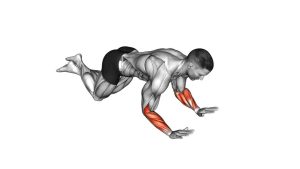
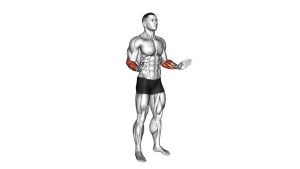
| Primary Muscle | Forearm flexors and forearm extensors |
| Secondary Muscle | Wrist stabilizers, finger flexors, and finger extensors |
| Equipment | None |
| Difficulty | Beginner |
Sets & Reps (By Goal)
- Daily mobility: 2–3 sets per side × 20–30 second holds
- Warm-up before training: 1–2 sets per side × 10–20 second holds
- Post-workout recovery: 2–4 sets per side × 20–40 second holds
- Desk-break stiffness relief: 1–2 easy rounds per side × 15–25 second holds
Progression rule: Increase hold time gradually before increasing stretch intensity. The best results come from regular, gentle practice—not forcing range.
Setup / Starting Position
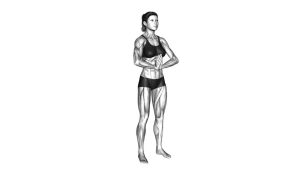
- Stand or sit tall: Keep your torso upright with shoulders relaxed and chest open.
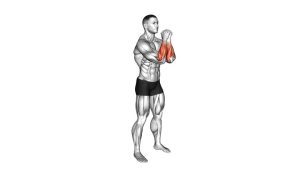
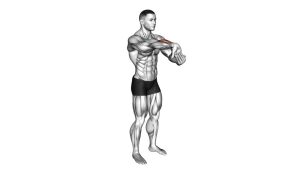
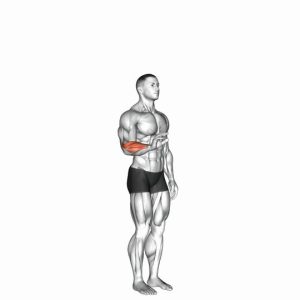
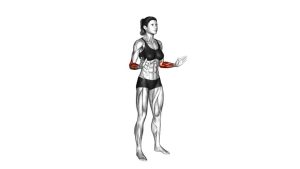
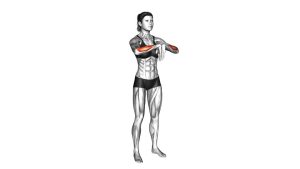
- Extend one arm forward: Straighten the elbow and raise the arm to a comfortable height in front of your body.
- Keep the wrist neutral: Let the working hand stay relaxed before applying the stretch.
- Use the other hand for assistance: Place the opposite hand around the fingers or side of the working hand.
- Prepare for a sideways pull: The motion should bend the wrist side-to-side, not force it into heavy flexion or extension.
Tip: Keep the elbow straight during the stretch so the tension stays in the forearm and wrist instead of being lost at the arm.
Execution (Step-by-Step)
- Set your posture: Stand or sit tall with the working arm straight in front of you.
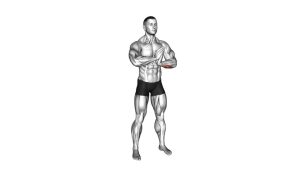
- Grip the hand gently: Use the opposite hand to hold the fingers or side of the hand.
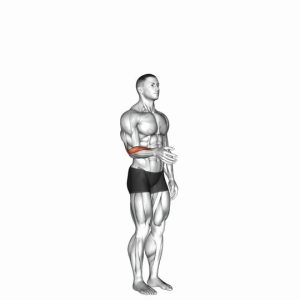
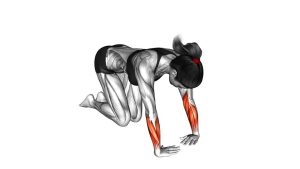
- Pull sideways: Slowly guide the wrist into a gentle side bend until you feel a mild stretch through the forearm.
- Hold the stretch: Maintain the end position for the prescribed time while breathing normally.
- Release with control: Return the wrist to neutral slowly and repeat on the same side or switch arms.
Pro Tips & Common Mistakes
- Keep the elbow straight: A bent elbow reduces the stretch through the forearm tissues.
- Use gentle pressure: This is a mobility drill, not a max-effort stretch.
- Do not twist the arm: Move the wrist sideways instead of rotating the whole arm.
- Avoid bouncing: Static holds work better and are safer for the wrist joint.
- Keep the shoulder relaxed: Do not shrug or tense the neck while pulling.
- Stretch both sides evenly: Balanced mobility can help keep wrist function more symmetrical.
FAQ
What should I feel during the Side Wrist Pull Stretch?
You should feel a gentle stretch through the forearm and around the wrist. It should feel like mild tension, not sharp pain or joint pressure.
Is this stretch good before lifting?
Yes, it can work well as part of a wrist and forearm warm-up before exercises that involve gripping, curling, pushing, or pulling.
Can this help with wrist stiffness from typing or desk work?
It may help reduce temporary stiffness caused by repetitive hand use or long periods at a keyboard, especially when paired with regular movement breaks.
How hard should I pull?
Only hard enough to feel a comfortable stretch. Forcing the wrist aggressively usually irritates the joint instead of improving mobility.
Who should be careful with this exercise?
Anyone with a recent wrist injury, severe pain, swelling, numbness, or suspected nerve irritation should avoid aggressive stretching and seek medical guidance if symptoms persist.
Recommended Equipment (Optional)
- Stretching Strap with Loops — useful for gentle mobility work and assisted stretching routines
- Therapy Putty — helps build hand and forearm strength after mobility work
- Forearm Massage Roller — can help relieve forearm tightness before or after stretching
- Wrist Ice Pack Wrap — useful for post-activity recovery if the wrist feels overworked
- Adjustable Grip Strengthener — supports progressive hand and forearm strengthening alongside mobility training
Tip: Use optional tools to support comfort, recovery, and strength balance—but keep the stretch itself light, controlled, and pain-free.