45-Degree Bicycle Twisting Crunch: Form, Sets, Tips & FAQ
Learn the 45-Degree Bicycle Twisting Crunch for stronger abs and obliques. Includes setup, steps, sets, mistakes, FAQs, and gear.
45-Degree Bicycle Twisting Crunch
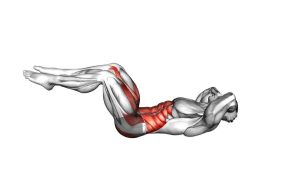
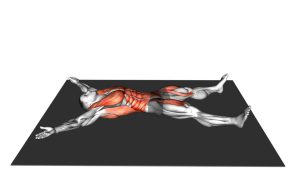
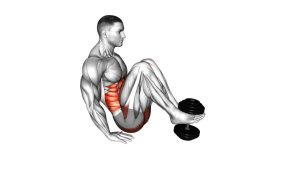
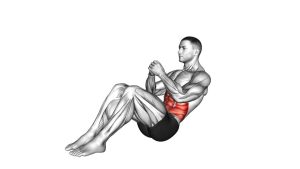
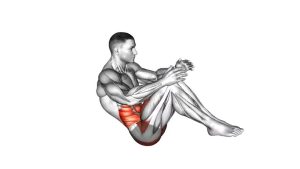
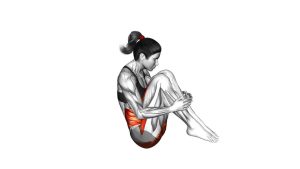
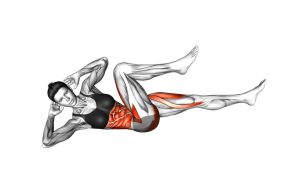
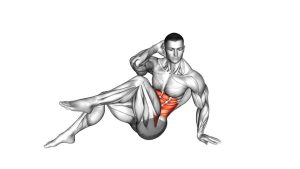
This exercise works best when the shoulders stay lifted, the legs keep cycling, and the twist comes from the upper torso instead of the neck. Therefore, the goal is not to rush through reps. Instead, focus on bringing one shoulder toward the opposite knee while extending the other leg diagonally away from the body.
Quick Overview
| Body Part | Core |
|---|---|
| Primary Muscle | Obliques and rectus abdominis |
| Secondary Muscle | Hip flexors, transverse abdominis, and deep core stabilizers |
| Equipment | None required; exercise mat optional |
| Difficulty | Intermediate |
Sets & Reps (By Goal)
- Core endurance: 2–4 sets × 20–40 alternating reps, resting 45–75 seconds between sets.
- Oblique focus: 3–4 sets × 12–20 controlled reps per side, using a slower twist and full squeeze.
- Fat-loss circuit training: 3–5 rounds × 30–45 seconds, resting 20–40 seconds between exercises.
- Beginner-friendly control: 2–3 sets × 8–12 reps per side with a smaller leg extension.
Progression rule: First improve control and rhythm. Then, gradually extend the legs lower or increase time under tension.
Setup / Starting Position
- Lie on your back: Start on a flat surface with your knees bent and feet lifted off the floor.
- Support the head lightly: Place your hands near the sides of your head without pulling on the neck.
- Lift the shoulders: Curl the upper back slightly off the floor and keep the ribs drawn down.
- Brace the core: Keep your lower back controlled and avoid excessive arching.
- Prepare the legs: Keep both legs elevated so they can alternate in a bicycle-style pattern.
Tip: If your lower back lifts, extend the leg higher instead of lower. This adjustment keeps the core engaged without forcing the spine.
Execution (Step-by-Step)
- Start curled up: Keep your shoulders slightly off the floor and your core braced.
- Twist to one side: Rotate your torso so one shoulder moves toward the opposite knee.
- Extend the opposite leg: At the same time, straighten the other leg diagonally away from your body.
- Reach peak contraction: Squeeze the abs and obliques briefly without yanking your head forward.
- Switch sides: Return through the center as the extended leg bends and the opposite leg extends.
- Continue alternating: Repeat in a smooth bicycle rhythm while keeping the torso lifted.
Pro Tips & Common Mistakes
- Rotate from the torso: Avoid simply flaring the elbows. The movement should come from the ribs and upper trunk.
- Keep the neck relaxed: Your hands should guide the head lightly, not pull it forward.
- Control the leg extension: Extend the leg only as far as you can while keeping the lower back stable.
- Do not rush: Fast reps often reduce oblique activation and increase hip-flexor dominance.
- Maintain shoulder lift: Dropping the shoulders between reps reduces abdominal tension.
- Breathe steadily: Exhale as you twist and inhale as you switch sides.
FAQ
What muscles does the 45-Degree Bicycle Twisting Crunch work?
It mainly targets the obliques and rectus abdominis. Additionally, the hip flexors and deep core stabilizers assist because the legs stay elevated and alternate continuously.
Is this exercise good for obliques?
Yes. The strong twisting pattern makes it especially useful for training the obliques. However, the rotation should come from the torso rather than from pulling the neck or swinging the elbows.
Why does my lower back lift during bicycle crunches?
Your lower back may lift if the leg extension is too low or your core cannot maintain control. Therefore, extend the leg higher, slow the tempo, and focus on keeping the ribs down.
Should I do this exercise fast or slow?
A controlled tempo is usually better. Although faster reps can raise the heart rate, slower reps improve abdominal tension, rotational control, and technique quality.
Can beginners do the 45-Degree Bicycle Twisting Crunch?
Beginners can perform a modified version by keeping the legs higher, reducing the twist, or resting briefly between sides. Once control improves, the full alternating version becomes more effective and safer.
Recommended Equipment (Optional)
- Exercise Mat — provides cushioning for the spine, hips, and shoulders during floor-based core work
- Light Ankle Weights — optional progression for advanced users who already control the basic movement
- Core Sliders — useful for adding other dynamic ab and oblique exercises to your routine
- Resistance Bands Set — helpful for pairing core work with anti-rotation drills and full-body training
- Foam Roller — supports recovery and mobility work after core, hip-flexor, or full-body sessions
Tip: Equipment is optional. For this exercise, clean technique and controlled rotation matter more than added resistance.