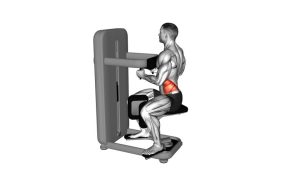
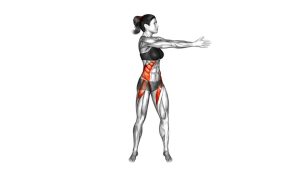
Barbell Standing Twist: Form, Core Benefits, Sets & Tips
Learn the Barbell Standing Twist for stronger obliques, better core rotation, and trunk control with setup, form cues, sets, mistakes, FAQs, and gear.
Barbell Standing Twist
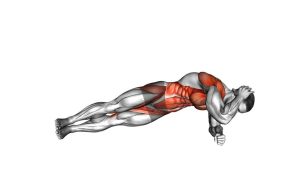
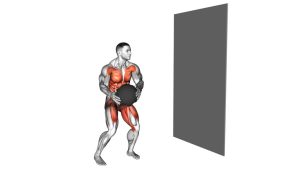
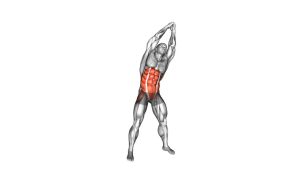
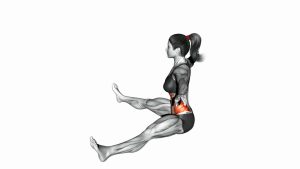
This exercise is useful for building rotational control, improving awareness through the waist, and adding variety to core training. Because the barbell increases leverage across the shoulders, every repetition should feel deliberate. The lower body stays firm, the spine stays tall, and the movement comes from the trunk rather than from swinging the arms. When performed correctly, the Barbell Standing Twist feels like a controlled abdominal rotation, not a lower-back crank.
Quick Overview
| Body Part | Obliques |
|---|---|
| Primary Muscle | Internal and external obliques |
| Secondary Muscle | Rectus abdominis, transverse abdominis, erector spinae, glutes, upper back stabilizers |
| Equipment | Barbell, fixed bar, or light training bar |
| Difficulty | Intermediate because it requires spinal control, rotational awareness, and careful load management |
Sets & Reps (By Goal)
- Core control: 2–3 sets × 10–12 reps per side with a slow, even tempo.
- Oblique endurance: 3–4 sets × 12–20 total twists using light weight and clean rhythm.
- Warm-up rotation drill: 1–2 sets × 8–10 reps per side before lifting or athletic work.
- Hypertrophy-focused core work: 3 sets × 10–15 reps per side with strict control and moderate effort.
Progression rule: Improve control before adding load. Add range, tempo control, or repetitions first. Increase bar weight only when your hips stay stable and your lower back remains comfortable.
Setup / Starting Position
- Place the bar correctly: Rest the barbell across the upper traps, not directly on the neck.
- Grip evenly: Hold the bar wider than shoulder-width so your shoulders feel balanced and secure.
- Set your stance: Stand with feet about shoulder-width apart, knees slightly soft, and weight balanced through both feet.
- Stack your posture: Keep the ribs down, chest open, spine tall, and pelvis neutral.
- Brace lightly: Create gentle abdominal tension before rotating. Do not hold your breath aggressively.
- Look forward: Keep the head aligned with the torso so the neck does not twist separately from the body.
Tip: Start with an empty bar, PVC pipe, or body bar. The movement pattern matters more than heavy resistance.
Execution (Step-by-Step)
- Begin tall: Stand upright with the bar stable across your upper back and your core lightly braced.
- Rotate to one side: Turn your torso slowly while keeping your hips mostly facing forward.
- Control the end range: Stop before your lower back feels compressed or your hips begin to swing.
- Return to center: Bring the torso back to neutral with the same slow control.
- Rotate the other way: Twist to the opposite side while keeping the movement smooth and balanced.
- Repeat with rhythm: Continue alternating sides without bouncing, rushing, or using momentum.
Pro Tips & Common Mistakes
Pro Tips
- Use a moderate range: Rotate far enough to feel the obliques, but not so far that the lower back twists aggressively.
- Move slowly: A 2-second turn and 2-second return helps reduce momentum and improves control.
- Keep the hips stable: Imagine your belt buckle pointing forward while your ribs rotate above it.
- Breathe naturally: Exhale gently during the twist and inhale as you return to center.
- Train both sides evenly: Match range and tempo from left to right to avoid creating uneven rotational habits.
Common Mistakes
- Using too much weight: Heavy loading can turn the exercise into a risky spinal swing.
- Twisting too fast: Momentum reduces core tension and increases stress on the lower back.
- Letting the hips rotate freely: When the hips spin with the shoulders, the obliques do less targeted work.
- Placing the bar on the neck: The bar should sit on the upper traps, not press into the cervical spine.
- Arching the lower back: Keep the ribs controlled and the pelvis neutral throughout the movement.
FAQ
What muscles does the Barbell Standing Twist work?
The main target is the obliques, especially during controlled trunk rotation. The rectus abdominis, transverse abdominis, spinal stabilizers, glutes, and upper back also assist by keeping the body stable.
Is the Barbell Standing Twist good for abs?
Yes, it can be useful for core training, especially if your goal includes rotational control and oblique development. However, it should be performed with light-to-moderate resistance and strict technique.
Should I use a heavy barbell for this exercise?
No. This movement is better with light loading. A heavy barbell can create unnecessary torque through the spine and may reduce control. Start with an empty bar or lighter training bar.
How far should I twist?
Rotate only as far as you can maintain a tall spine, stable hips, and pain-free control. A moderate range is usually better than forcing a large twist.
Who should avoid the Barbell Standing Twist?
People with active lower-back pain, disc irritation, nerve symptoms, or pain during spinal rotation should avoid this exercise unless cleared by a qualified professional.
Recommended Equipment
- Olympic Barbell — useful for standard gym-style Barbell Standing Twists and full-body strength training.
- Weighted Body Bar — a lighter option for learning rotational control before using a full barbell.
- Barbell Pad — adds comfort across the upper back when practicing higher-rep core work.
- Weightlifting Belt — can provide bracing feedback, although it should not replace proper core control.
- Non-Slip Exercise Mat — helps create a stable foot position during standing rotational drills.
Tip: Choose equipment that helps you control the movement better. For this exercise, lighter tools often produce better technique than heavy bars.