Twisted Leg Raise: Form, Benefits, Sets, Tips & FAQ
Learn the Twisted Leg Raise to target abs, obliques, and hip flexors with strict control. Includes setup, steps, tips, FAQs, and gear.
Twisted Leg Raise
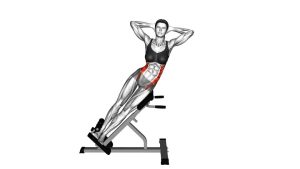
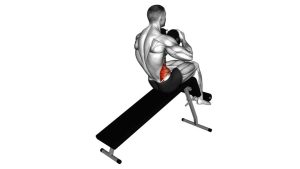
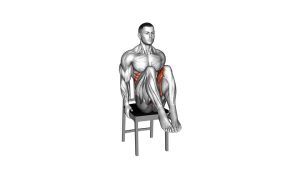
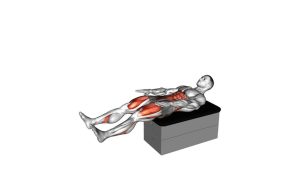
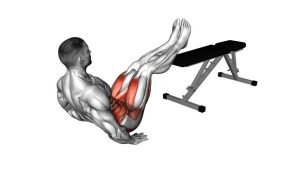
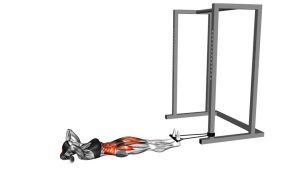
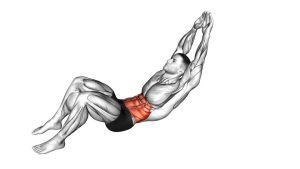
This exercise is best used when you want a stronger and more athletic core movement than a basic knee raise. Because the legs move upward while the pelvis rotates slightly, the abs must stabilize the spine while the obliques guide the twist. Therefore, the movement trains both core strength and rotational control.
However, the Twisted Leg Raise should not be rushed. Fast reps usually turn the exercise into a swinging hip flexor movement. For better results, keep your back supported, grip the handles firmly, and raise the legs using a smooth abdominal contraction. In addition, control the lowering phase so the body does not rock between repetitions.
Quick Overview
| Body Part | Core |
|---|---|
| Primary Muscle | Rectus abdominis and obliques |
| Secondary Muscle | Hip flexors, quadriceps, transverse abdominis, and grip-support muscles |
| Equipment | Captain’s chair, vertical knee raise station, or power tower |
| Difficulty | Intermediate |
Sets & Reps (By Goal)
- Core control and technique: 2–3 sets × 6–10 slow reps per side or total alternating reps.
- Muscle endurance: 3–4 sets × 10–15 controlled reps with a steady tempo.
- Oblique emphasis: 3 sets × 8–12 reps, pausing briefly at the top of each twist.
- Advanced core finisher: 2–3 sets × 12–20 reps after heavier compound work.
- Beginner progression: Start with twisted knee raises before extending the legs farther.
Progression rule: First improve control, then increase reps. After that, increase leg extension or pause time. Do not progress by swinging harder because momentum reduces core tension.
Setup / Starting Position
- Step onto the captain’s chair: Place your forearms securely on the pads and grip the handles.
- Support your upper body: Keep your shoulders down, chest lifted, and back against the backrest.
- Brace your core: Lightly tighten your abs before the legs move. This keeps the pelvis stable.
- Set your legs: Let both legs hang downward together with a slight knee bend if needed.
- Control your posture: Avoid shrugging, leaning forward, or letting your lower back arch aggressively.
- Prepare the twist: Keep the rotation small. The movement should come from controlled core action, not from throwing the hips.
Tip: If straight legs feel too difficult, bend your knees more. This shortens the lever and helps you maintain cleaner form.
Execution (Step-by-Step)
- Brace before lifting: Inhale gently, grip the handles, and tighten your abs. Then keep your back supported against the pad.
- Lift the legs upward: Raise your knees or legs toward the front of your body. Move smoothly instead of kicking upward.
- Add the twist: As the legs rise, rotate the hips slightly toward one side. This shifts more tension into the obliques.
- Reach the top position: Pause when your thighs or legs approach hip height. Keep the contraction strong, but avoid yanking the pelvis too high.
- Control the lowering phase: Lower the legs slowly back toward the starting position. Do not let them drop quickly.
- Reset before the next rep: Stop any swinging before repeating. Then lift again and twist to the opposite side if you are alternating.
Pro Tips & Common Mistakes
Pro Tips
- Use a small twist: A controlled rotation is more effective than a large, sloppy swing.
- Lead with the pelvis: Think about curling and rotating the pelvis, not just lifting the feet.
- Pause at the top: A short pause increases oblique tension and reduces momentum.
- Lower slowly: The eccentric phase builds control and keeps the abs working longer.
- Keep breathing: Exhale as you lift and twist. Then inhale as you lower with control.
Common Mistakes
- Swinging the legs: Momentum makes the exercise easier but reduces abdominal tension.
- Twisting too far: Excessive rotation can stress the lower back and reduce control.
- Pulling with the hip flexors only: Brace the abs first so the core stays involved.
- Dropping the legs: A fast descent can create unwanted swinging between reps.
- Shrugging the shoulders: Keep the shoulders down and the forearms pressed into the pads.
- Arching the lower back: Maintain a stable ribcage and avoid letting the pelvis dump forward.
FAQ
What muscles does the Twisted Leg Raise work?
The Twisted Leg Raise mainly works the rectus abdominis and obliques. It also uses the hip flexors and quadriceps because the legs must lift and stay controlled during each rep.
Is the Twisted Leg Raise good for lower abs?
Yes. Although the “lower abs” are part of the same rectus abdominis muscle, this exercise strongly challenges the lower portion of the abdominal wall because the pelvis and legs move together against gravity.
Should I keep my legs straight or bent?
Use the version you can control. Bent knees are easier and better for beginners. Straighter legs increase difficulty because they create a longer lever and demand more core strength.
Why do I feel this more in my hip flexors than my abs?
You may be lifting only from the thighs instead of bracing and curling the pelvis. To fix this, reduce the range, slow down, and focus on pulling the ribs and pelvis slightly closer together at the top.
Can beginners do the Twisted Leg Raise?
Beginners can start with a twisted knee raise variation. Once they can perform slow reps without swinging, they can gradually extend the legs farther and increase the challenge.
How often should I do Twisted Leg Raises?
Perform them 2–4 times per week depending on your recovery and core training volume. For best results, place them after heavy lifts or near the end of an ab workout.
Recommended Equipment
- Power Tower with Captain’s Chair — ideal for twisted leg raises, knee raises, dips, and bodyweight core training.
- Vertical Knee Raise Station — provides padded forearm support and stable handles for controlled ab exercises.
- Hanging Ab Straps — useful for hanging knee raises and leg raise variations when a captain’s chair is unavailable.
- Wall-Mounted Pull-Up Bar — supports hanging core movements and advanced leg raise progressions.
- Fitness Grip Gloves — can improve comfort and grip during captain’s chair or hanging core exercises.
Tip: Choose equipment that feels stable and supports your body weight safely. A strong frame and comfortable forearm pads make strict core reps easier to control.