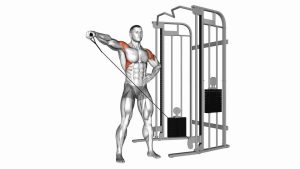
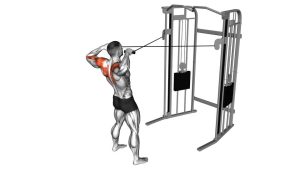
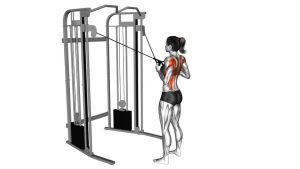
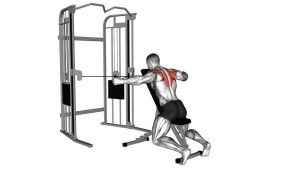
Cable Standing Single Rear Delt Row: Form, Muscles Worked, Sets, Tips & FAQ
Learn how to perform the Cable Standing Single Rear Delt Row with proper form to target the rear delts, improve shoulder balance, and build upper-back control. Includes setup, execution, sets by goal, mistakes, FAQ, and recommended equipment.
Cable Standing Single Rear Delt Row
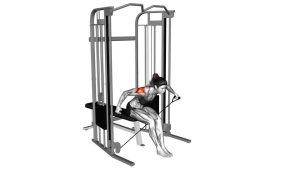
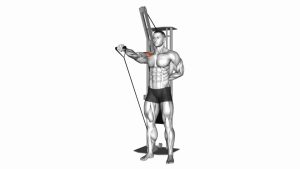
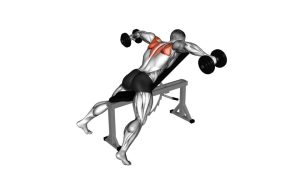
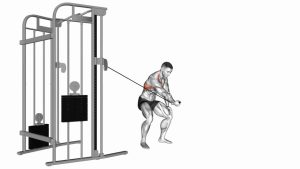
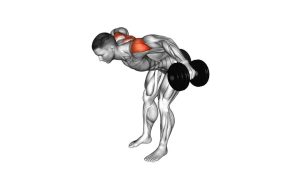
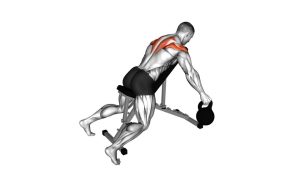
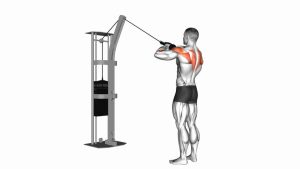
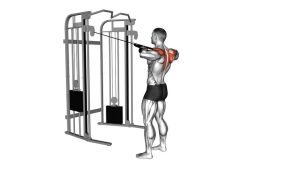
This exercise is ideal for lifters who want to build more complete shoulders, improve posture, and bring up the often-undertrained posterior delts. The cable setup provides steady resistance and makes it easier to keep tension on the target muscle without relying on momentum. When done properly, you should feel the back of the shoulder doing most of the work, with only light assistance from the upper back.
Quick Overview
| Body Part | Rear Shoulders |
|---|---|
| Primary Muscle | Rear deltoid (posterior deltoid) |
| Secondary Muscle | Rhomboids, middle trapezius, rotator cuff stabilizers, biceps (minor assistance) |
| Equipment | Cable machine with single handle attachment |
| Difficulty | Beginner to Intermediate |
Sets & Reps (By Goal)
- Muscle growth: 3–4 sets × 10–15 reps per side, 45–75 seconds rest
- Shoulder balance / accessory work: 2–4 sets × 12–20 reps per side, 30–60 seconds rest
- Mind-muscle connection: 2–3 sets × 12–15 reps per side with a 1–2 second squeeze at peak contraction
- Warm-up activation: 1–2 light sets × 15–20 reps per side before pressing or upper-body training
Progression rule: Add reps before adding load. If the movement starts feeling like a standard row or the traps dominate, the weight is probably too heavy.
Setup / Starting Position
- Set the pulley: Position the cable around chest to upper-chest height.
- Attach a single handle: Use one hand only so each rear delt works independently.
- Take your stance: Stand tall with feet about shoulder-width apart and knees softly bent.
- Grip the handle: Use a neutral or slightly pronated grip, depending on comfort.
- Start with the arm extended: Reach forward under control while keeping the shoulder packed and the chest lifted.
- Brace lightly: Engage the core and keep the torso stable so the shoulder does the work.
Tip: Stand far enough from the machine to keep cable tension at the start without getting pulled out of position.
Execution (Step-by-Step)
- Begin from a stretched position: Let the working arm extend forward while maintaining tension through the cable.
- Lead with the elbow: Pull the elbow outward and backward in a wide arc rather than tucking it close to the ribcage.
- Keep the upper arm high: Aim to bring the elbow roughly in line with the shoulder to emphasize the rear delt.
- Squeeze briefly: At the top, contract the back of the shoulder without aggressively shrugging or over-squeezing the shoulder blade.
- Return slowly: Extend the arm back to the starting position with control and keep tension on the muscle.
- Repeat on one side: Complete all reps before switching arms, or alternate sides if preferred.
Pro Tips & Common Mistakes
- Keep the elbow flared: A wider elbow path helps shift tension toward the rear shoulder.
- Don’t go too heavy: Rear delts respond well to control, not momentum.
- Avoid shrugging: Excess trap involvement reduces rear delt isolation.
- Don’t twist the torso: Keep the body steady so the shoulder stays responsible for the movement.
- Use a full but clean range: Reach forward into a stretch, then pull back only as far as you can without losing position.
- Pause at the top: A brief squeeze improves muscle awareness and keeps the rep honest.
- Match both sides: Train both arms evenly to reduce imbalances in shoulder development.
FAQ
What muscle does the Cable Standing Single Rear Delt Row work the most?
The main target is the rear deltoid. The rhomboids, middle traps, and other upper-back stabilizers assist, but the rear shoulder should be the primary focus when your elbow path stays wide.
Is this different from a regular cable row?
Yes. A regular row usually keeps the elbow closer to the body and emphasizes the lats and mid-back more. This variation uses a higher, wider elbow path to shift more tension onto the rear delt.
Should I train this exercise heavy or light?
Most lifters get better results using a light to moderate load with controlled reps. Going too heavy often causes torso swing, trap dominance, and poor rear delt isolation.
Where should I feel it during the movement?
You should feel the exercise mostly in the back of the shoulder. A little upper-back involvement is normal, but it should not feel like a heavy lat or trap movement.
Can beginners use this exercise?
Yes. It is beginner-friendly as long as the weight is kept manageable and the motion stays controlled. Start light and prioritize clean technique over load.
Recommended Equipment
- Single D-Handle Cable Attachment — ideal for one-arm cable shoulder and back exercises
- Adjustable Cable Machine / Functional Trainer — gives you the correct pulley height and smooth resistance for rear delt work
- Lifting Grips — useful if grip fatigue limits your cable training volume
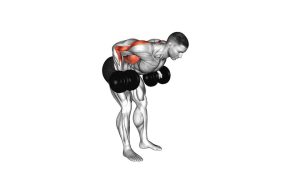
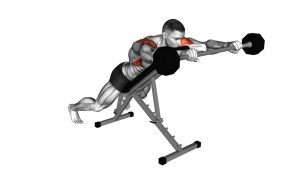
- Adjustable Weight Bench — helpful for pairing rear delt isolation with seated or incline support exercises
- Resistance Bands Set — useful for extra rear delt warm-ups, pull-aparts, and shoulder prep work
Tip: A smooth cable path and comfortable handle make this exercise feel much better and help you keep tension directly on the rear delt.