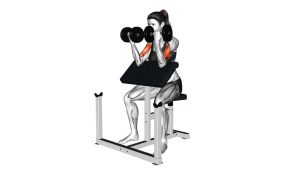
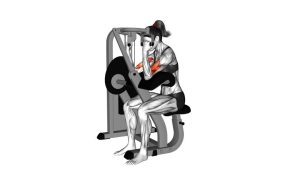
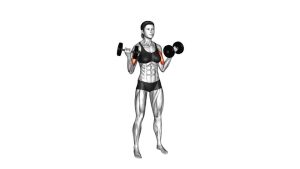
Dumbbell Concentration Curl: Proper Form, Muscles Worked, Sets, Tips & FAQ
Learn how to perform the Dumbbell Concentration Curl with strict form to isolate the biceps. Discover muscles worked, setup, step-by-step execution, sets and reps by goal, common mistakes, FAQs, and recommended equipment.
Dumbbell Concentration Curl
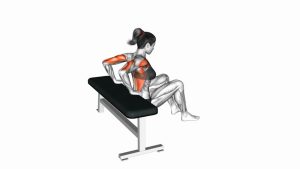
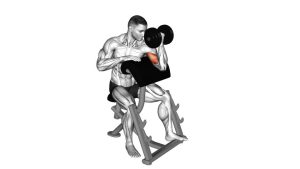
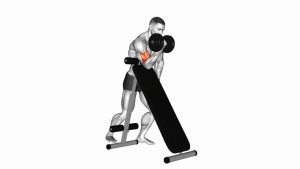
This exercise is ideal for lifters who want more direct biceps work without swinging the weight. The fixed-arm position reduces cheating and makes the curl more about elbow flexion than full-body assistance. When performed with control, the Dumbbell Concentration Curl is excellent for building arm size, improving contraction quality, and finishing upper-arm sessions with targeted isolation work.
Quick Overview
| Body Part | Biceps |
|---|---|
| Primary Muscle | Biceps brachii |
| Secondary Muscle | Brachialis and brachioradialis |
| Equipment | Single dumbbell and flat bench or seat |
| Difficulty | Beginner to Intermediate |
Sets & Reps (By Goal)
- Muscle growth: 3–4 sets × 8–12 reps per arm with 45–75 seconds rest
- Strength-focused arm work: 3–5 sets × 6–8 reps per arm with 75–90 seconds rest
- Technique and control: 2–3 sets × 10–15 reps per arm using slow tempo and strict form
- Finisher / pump work: 2–3 sets × 12–15 reps per arm with short 30–45 seconds rest
Progression rule: Increase reps first, then raise the load slightly once you can complete every rep without lifting the elbow off the thigh or swinging the torso.
Setup / Starting Position
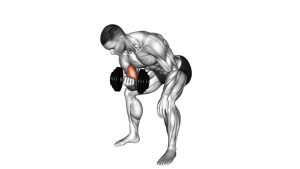
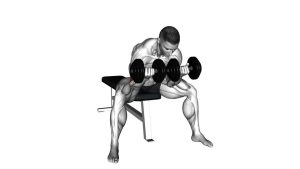
- Sit on a bench or sturdy seat: Spread your feet wide enough to create room for the working arm.
- Hold one dumbbell: Let the arm hang down between your legs with the palm facing upward or slightly turned in.
- Brace the elbow: Press the back of the upper arm or elbow area lightly against the inner thigh on the same side.
- Lean forward slightly: Keep your chest up and spine neutral rather than rounding heavily through the back.
- Stabilize with the free hand: Place the opposite hand on your other thigh for balance and control.
Tip: The setup should feel locked in and stable. If your elbow slides around, reset your stance and lighten the weight.
Execution (Step-by-Step)
- Start from full extension: Let the dumbbell hang under control with the arm nearly straight, keeping slight softness at the elbow.
- Curl the dumbbell upward: Flex the elbow and raise the weight in a smooth arc toward your shoulder.
- Keep the elbow fixed: Do not allow the upper arm to drift forward, lift away from the thigh, or turn into a shoulder movement.
- Squeeze at the top: Pause briefly when the biceps are fully shortened and the dumbbell reaches the top of the curl.
- Lower slowly: Control the eccentric phase all the way back down until the arm is nearly straight again.
- Repeat for reps: Finish one side, then switch arms and match the same quality of movement.
Pro Tips & Common Mistakes
- Use strict form: Concentration curls work best when the elbow stays planted and the movement stays slow.
- Do not rush the lowering phase: A controlled eccentric increases tension on the biceps and improves growth stimulus.
- Avoid torso swinging: Rocking the body reduces isolation and shifts work away from the target muscle.
- Keep your wrist stable: Excessive curling or bending at the wrist can create discomfort and reduce biceps focus.
- Do not shorten the range: Use a full, comfortable range of motion instead of half reps unless intentionally programmed.
- Choose the right load: Moderate weight with excellent control usually works better than heavy weight with sloppy reps.
FAQ
What muscles does the Dumbbell Concentration Curl work?
It primarily targets the biceps brachii, while the brachialis and brachioradialis assist during the curl. Its seated, braced position helps isolate the upper arm.
Is the Dumbbell Concentration Curl good for bigger biceps?
Yes. It is one of the best isolation movements for improving biceps contraction and reducing cheating. It works especially well as a hypertrophy exercise after heavier compound pulling or curl variations.
Should I lift heavy on concentration curls?
Usually, moderate weight works best. This exercise is more effective when done with strict technique, full control, and a strong squeeze at the top rather than with very heavy loads.
How high should I curl the dumbbell?
Curl until you reach a strong biceps contraction without losing elbow position or rolling the shoulder forward. You do not need to force the dumbbell excessively high if it changes your form.
Can beginners do Dumbbell Concentration Curls?
Absolutely. Beginners can use this movement to learn biceps isolation, improve control, and build mind-muscle connection. Start light and focus on slow, clean reps.
Recommended Equipment
- Adjustable Dumbbells — versatile option for progressive overload and home arm training
- Weight Bench — provides a stable seated position for strict concentration curls
- Lifting Straps — useful if grip fatigue limits longer arm sessions, though not required for most users
- Workout Gloves — can improve comfort and grip when using metal-handled dumbbells
- Arm Blaster — optional accessory for additional biceps isolation in curl variations
Tip: For most lifters, a solid dumbbell and stable bench are all you need. Prioritize control and consistency over extra accessories.