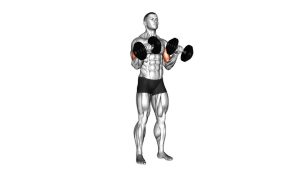
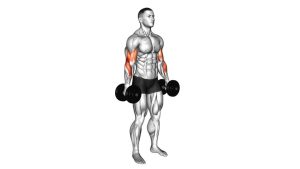
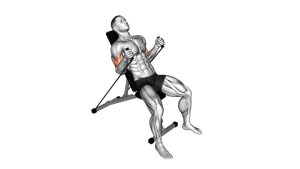
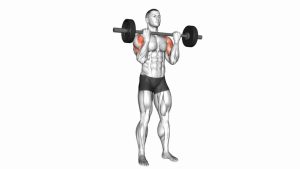
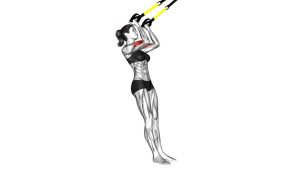
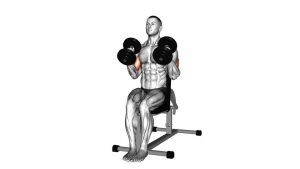
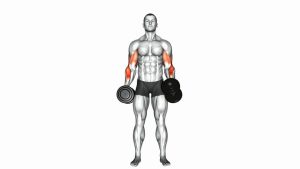
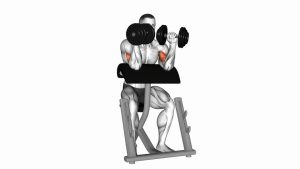
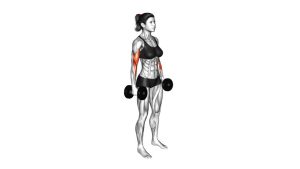
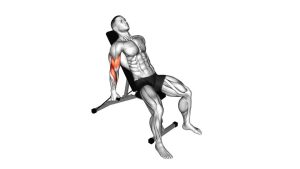
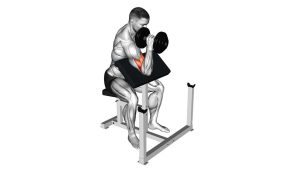
Band Prone Incline Hammer Curl: Form, Sets, Tips & FAQ
Learn the Band Prone Incline Hammer Curl to build the biceps, brachialis, and brachioradialis with strict incline-supported form. Includes setup, step-by-step execution, sets by goal, common mistakes, FAQs, and recommended equipment.
Band Prone Incline Hammer Curl
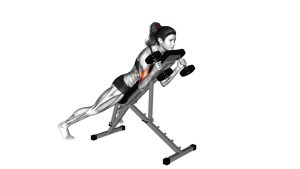
This exercise works best when every rep is smooth, controlled, and strict. Your chest stays supported on the bench, your upper arms remain quiet, and the curl comes from elbow flexion instead of shoulder swinging. Because a resistance band gets tighter as you lift, the top half of the movement becomes especially demanding, making it a great option for improving peak contraction and keeping tension on the upper arms throughout the set.
Quick Overview
| Body Part | Biceps |
|---|---|
| Primary Muscle | Brachialis and biceps brachii |
| Secondary Muscle | Brachioradialis, forearms, and elbow flexor stabilizers |
| Equipment | Resistance band, incline bench, optional band handles |
| Difficulty | Beginner to Intermediate |
Sets & Reps (By Goal)
- Muscle growth: 3–4 sets × 8–15 reps with controlled tempo and 45–75 seconds rest
- Strength-focused arm work: 3–5 sets × 6–10 reps using a thicker band and 60–90 seconds rest
- Technique and mind-muscle connection: 2–3 sets × 10–15 reps with a 1–2 second squeeze at the top
- Finisher / pump work: 2–3 sets × 12–20 reps with short rest and strict form
Progression rule: Increase reps first, then add band tension, then slow the eccentric or add a pause at peak contraction. Keep the rep clean before making it harder.
Setup / Starting Position
- Set the bench: Adjust an incline bench to a comfortable angle that allows your chest to stay supported throughout the set.
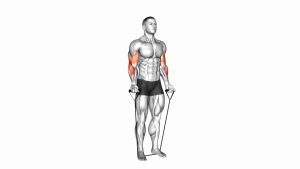
- Anchor the band: Secure the resistance band low so tension increases as you curl upward.
- Lie prone on the bench: Position your chest on the pad with your head neutral and feet planted for balance.
- Grab the band with a hammer grip: Palms should face each other, with wrists straight and grip firm.
- Start with arms hanging down: Let the elbows fully extend under control while keeping the upper arms steady and shoulders relaxed.
Tip: Before your first rep, pull the shoulder blades slightly down and back so the shoulders stay quiet and the elbows remain the main moving joint.
Execution (Step-by-Step)
- Brace your torso: Keep your chest in contact with the bench and your neck neutral.
- Initiate the curl: Bend at the elbows and pull the handles or band upward with a neutral hammer grip.
- Keep the upper arms fixed: Avoid letting the elbows drift forward or the shoulders roll into the movement.
- Curl to peak contraction: Bring the hands upward until the biceps and brachialis are fully shortened without losing wrist position.
- Squeeze briefly: Pause for 1 second at the top to maximize tension.
- Lower slowly: Return to the starting position under control and resist the pull of the band during the eccentric phase.
- Repeat smoothly: Maintain the same tempo and range of motion for every rep.
Pro Tips & Common Mistakes
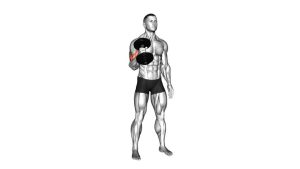
- Use a true hammer grip: Keep palms facing each other the entire time to emphasize the brachialis and brachioradialis.
- Do not rush the eccentric: The lowering phase is where a lot of the muscle-building stimulus happens.
- Keep chest contact with the bench: Lifting the torso turns a strict curl into a cheat curl.
- Avoid elbow drift: The elbows should stay mostly in place instead of driving forward.
- Don’t overgrip the handles: Excess gripping can create unnecessary forearm fatigue and reduce biceps focus.
- Match the band to the rep range: A band that is too strong often shortens the range of motion and ruins control.
- Pause at the top: A brief squeeze improves mind-muscle connection and makes lighter bands more effective.
FAQ
What muscles does the Band Prone Incline Hammer Curl work?
It mainly targets the biceps brachii and brachialis, while the brachioradialis and other forearm muscles assist. The hammer grip shifts more emphasis toward total upper-arm thickness rather than only the biceps peak.
Why do this exercise chest-down on an incline bench?
The prone incline position reduces body English and momentum. That makes it easier to keep tension on the elbow flexors and harder to cheat the rep with the shoulders or lower back.
Is this better than a regular standing hammer curl?
Not necessarily better in every case, but it is stricter. If your goal is isolation and cleaner reps, this variation is excellent. Standing curls may let you use more load, but they also make it easier to swing.
Should I use fast or slow reps?
A controlled tempo works best. Lift with intent, pause briefly at the top, and lower slowly so the band does not pull your arms down too quickly.
Can beginners use this exercise?
Yes. Beginners can use a light band and focus on learning strict elbow flexion, while more advanced lifters can use stronger bands, longer pauses, and slower eccentrics.
Recommended Equipment (Optional)
- Resistance Bands Set — ideal for adjusting tension levels as you progress
- Adjustable Incline Weight Bench — provides stable chest support and allows consistent incline positioning
- Resistance Band Handles with Clips — improves grip comfort and helps maintain a clean hammer position
- Exercise Band Door Anchor — useful when you need a secure low anchor point at home
- Lifting Grips or Straps — optional support if grip fatigue limits your arm training volume
Tip: Prioritize a bench with solid stability and a band set with multiple resistance levels so you can keep your range of motion strict while still progressing over time.