Dumbbell Drag Curl: Proper Form, Muscles Worked, Sets, Tips & FAQ
Learn how to do the Dumbbell Drag Curl with proper form to target the biceps, especially the long head. Includes muscles worked, setup, step-by-step execution, sets by goal, common mistakes, FAQs, and recommended equipment.
Dumbbell Drag Curl
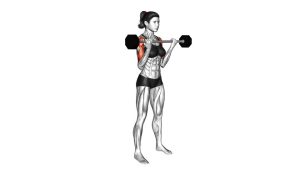
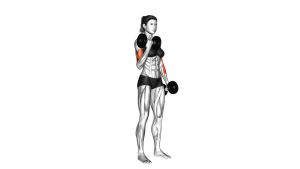
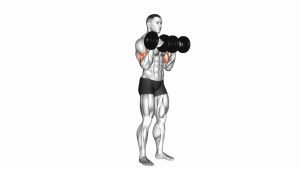
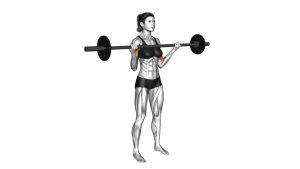
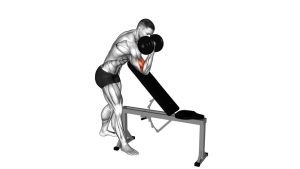
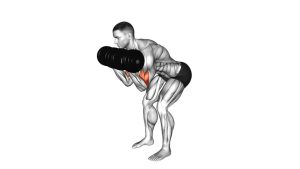
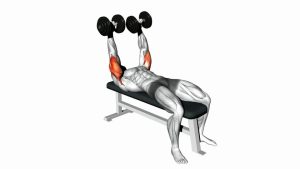
The Dumbbell Drag Curl works best with clean mechanics, moderate weight, and continuous tension. Instead of letting the elbows drift forward like a regular curl, you pull them slightly back as the dumbbells slide upward close to your body. This helps reduce momentum, limits front-delt takeover, and makes the biceps do more of the work.
Quick Overview
| Body Part | Arms |
|---|---|
| Primary Muscle | Biceps brachii (especially the long head) |
| Secondary Muscle | Brachialis, brachioradialis, forearms |
| Equipment | Dumbbells |
| Difficulty | Beginner to Intermediate |
Sets & Reps (By Goal)
- Muscle growth: 3–4 sets × 8–12 reps with 60–90 seconds rest
- Strength-focused arm work: 3–5 sets × 6–8 reps with 90–120 seconds rest
- Technique and control: 2–3 sets × 10–15 reps with slow tempo and 45–75 seconds rest
- Finisher / pump work: 2–3 sets × 12–15 reps with short rest and strict form
Progression rule: First improve control, then add reps, then increase load. If the dumbbells stop tracking close to the torso, the weight is probably too heavy.
Setup / Starting Position
- Stand tall: Place your feet about hip- to shoulder-width apart and brace your core lightly.
- Hold two dumbbells: Let them hang at your sides with your palms facing inward or slightly forward.
- Set your shoulders: Keep your chest up, shoulders down, and upper arms close to your torso.
- Start with straight arms: The dumbbells should rest near the thighs without swinging.
- Prepare the path: Think about pulling the elbows backward as the weights move upward.
Tip: Start lighter than you would for standard curls. The drag path is stricter and exposes sloppy form fast.
Execution (Step-by-Step)
- Initiate the curl: Begin by bending your elbows while subtly pulling them backward.
- Drag the dumbbells upward: Keep the weights close to your torso instead of letting them arc forward.
- Stay tall: Do not lean back or use hip drive to move the dumbbells.
- Reach the top under control: Curl until the dumbbells reach the upper abdomen or lower chest area.
- Squeeze briefly: Pause for a moment and contract the biceps hard at the top.
- Lower slowly: Reverse the motion with control, allowing the elbows to come forward naturally as the dumbbells slide back down.
- Reset fully: Return to the start position without swinging into the next rep.
Pro Tips & Common Mistakes
- Keep the weights close: The closer the dumbbells stay to your torso, the more accurate the drag curl becomes.
- Lead with the elbows: Think elbows back, then curl up.
- Use strict reps: This exercise loses value when momentum takes over.
- Do not overload: Too much weight usually turns the movement into a sloppy cheat curl.
- Control the negative: The lowering phase helps build tension and improves technique.
- Keep wrists neutral: Avoid excessive wrist curling to keep tension where it belongs.
- Don’t shrug the shoulders: Keep the upper traps relaxed so the biceps stay the focus.
FAQ
What muscles does the Dumbbell Drag Curl work?
It mainly targets the biceps brachii, especially the long head. The brachialis, brachioradialis, and forearm muscles also assist during the curl.
Is the Dumbbell Drag Curl better than a regular dumbbell curl?
It is not necessarily better overall, but it is excellent for emphasizing the biceps in a slightly different way. The drag path can help reduce swinging and place more focus on strict contraction.
Why do my shoulders feel involved during drag curls?
Mild shoulder movement is natural because the elbows travel back, but the shoulders should not dominate. If they do, you may be using too much weight or letting your posture break down.
How heavy should I go on Dumbbell Drag Curls?
Use a weight that lets you keep the dumbbells close to the torso and complete every rep without leaning back. Most lifters need slightly less weight here than on standard standing dumbbell curls.
Can beginners do Dumbbell Drag Curls?
Yes. Beginners can use this exercise effectively as long as they start light, move slowly, and learn the proper elbow path first.
Recommended Equipment
- Adjustable Dumbbells — versatile for progressive overload and home arm training
- Dumbbell Rack — keeps your training area organized and makes weight changes faster
- Lifting Grips or Grip Pads — helpful if grip fatigue limits your biceps work before the target muscle does
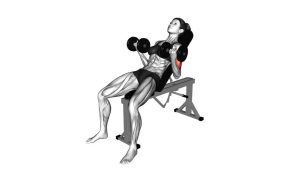
- Adjustable Weight Bench — useful for pairing drag curls with seated curls, incline curls, and other arm variations
- Arm Blaster — optional tool that can help reinforce stricter curling mechanics during arm sessions
Tip: The best equipment upgrade for this exercise is usually a solid pair of dumbbells with small load jumps so you can progress gradually without sacrificing form.