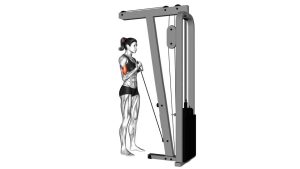
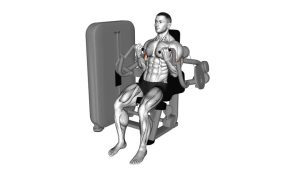
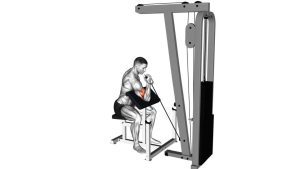
Lever Preacher Curl: Proper Form, Muscles Worked, Sets, Tips & FAQ
Learn how to perform the Lever Preacher Curl with proper form to isolate the biceps and build upper-arm strength. Includes muscles worked, setup, execution, sets and reps, mistakes, FAQs, and recommended equipment.
Lever Preacher Curl
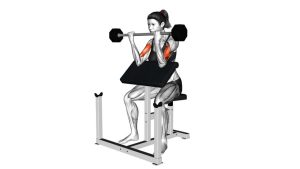
This exercise is especially useful for building the biceps brachii with strict form. The preacher pad limits shoulder involvement, making it easier to emphasize elbow flexion and keep tension on the target muscles. It works well for lifters who want cleaner technique, better arm isolation, and more control during both the lifting and lowering phases.
Quick Overview
| Body Part | Biceps |
|---|---|
| Primary Muscle | Biceps brachii |
| Secondary Muscle | Brachialis and brachioradialis |
| Equipment | Lever preacher curl machine |
| Difficulty | Beginner to Intermediate |
Sets & Reps (By Goal)
- Muscle growth: 3–4 sets × 8–12 reps with controlled tempo and 60–90 seconds rest
- Strength focus: 4–5 sets × 5–8 reps with heavier load and 90–120 seconds rest
- Technique and control: 2–3 sets × 10–15 reps with lighter weight and slow eccentric focus
- Finisher / pump work: 2–3 sets × 12–15 reps with short rest and constant tension
Progression tip: Increase the load only when you can complete all reps without lifting the elbows off the pad, shortening the range, or using body momentum.
Setup / Starting Position
- Adjust the machine: Set the seat height so your armpits rest comfortably near the top of the preacher pad and your upper arms stay fully supported.
- Sit tall: Keep your chest against the pad and your spine neutral without over-arching the lower back.
- Grip the handles: Use a secure underhand grip with wrists straight and hands evenly placed.
- Anchor the elbows: Keep your upper arms fixed on the pad to prevent shoulder compensation.
- Start near full extension: Begin with the arms extended but avoid forcing the elbows into a hard lockout.
Proper setup matters. If the seat is too low or too high, the curl can feel awkward and reduce biceps tension.
Execution (Step-by-Step)
- Brace and stay still: Keep your torso planted against the pad and your shoulders down.
- Curl the handles upward: Drive the movement by bending at the elbows, not by leaning back or swinging.
- Follow the machine path: Lift in a smooth arc while keeping the wrists neutral and elbows anchored.
- Squeeze at the top: Pause briefly when the biceps are fully contracted without letting the shoulders roll forward.
- Lower under control: Slowly return the handles to the starting position, maintaining tension as the arms lengthen.
- Repeat cleanly: Begin the next rep only after regaining control at the bottom.
Pro Tips & Common Mistakes
- Keep your upper arms glued to the pad: This is what makes the exercise effective for isolation.
- Control the eccentric: Lowering slowly helps maintain tension and improves muscle-building stimulus.
- Do not slam the bottom: Bouncing out of the stretched position can irritate the elbows.
- Avoid wrist curling: Keep the wrists neutral so the biceps do the work.
- Do not chase too much weight: Strict reps with full control beat heavy sloppy reps.
- Use a full but comfortable range: Go through the range your elbows and wrists tolerate well.
- Pause at peak contraction: A short squeeze at the top can improve mind-muscle connection.
FAQ
What muscles does the Lever Preacher Curl work?
The main target is the biceps brachii. The brachialis and brachioradialis also assist during elbow flexion.
Is the Lever Preacher Curl better than a regular dumbbell curl?
It is not always better, but it is more strict and stable. The preacher setup reduces momentum and makes it easier to isolate the biceps with consistent form.
Should I fully lock out at the bottom?
You can approach full extension, but avoid aggressively snapping into lockout. Keep control at the bottom and protect the elbows.
Why do I feel this exercise in my forearms?
Some forearm involvement is normal, especially through the grip. If forearm strain dominates, reduce the weight, keep the wrists neutral, and focus on curling through the elbows.
Where should the preacher pad sit on my arms?
The upper arms should be fully supported, with the armpits close to the top edge of the pad. This helps keep the elbows stable and the biceps under better tension.
Recommended Equipment
- Weightlifting Gloves — improve grip comfort and reduce handle pressure during repeated arm training
- Elbow Sleeves for Training — useful for warmth and support during higher-volume curling sessions
- Gym Towel — helps keep the preacher pad and hands dry for a more secure setup
- Adjustable Bench with Preacher Attachment — a practical alternative for home lifters who want preacher-style arm training
- Foam Grip Covers for Gym Handles — may improve comfort if machine handles feel too hard or narrow
Tip: Accessories should improve comfort and consistency, not replace proper technique and sensible loading.