Barbell Curl: Proper Form, Sets, Reps, Benefits & Common Mistakes
Learn how to do the Barbell Curl with proper form to build stronger, fuller biceps. Includes setup, step-by-step execution, sets and reps by goal, common mistakes, FAQs, and recommended equipment.
Barbell Curl
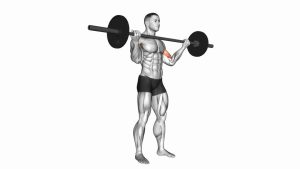
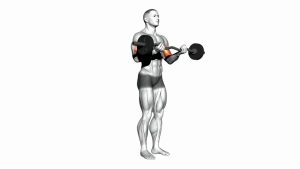
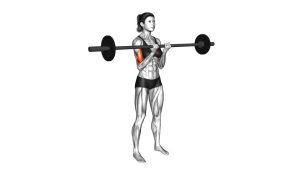
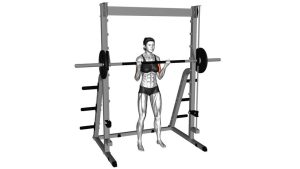
The Barbell Curl works best when you focus on strict technique rather than using momentum. A clean rep starts with the bar hanging at arm’s length, followed by a smooth curl upward while the elbows stay close to the torso. At the top, squeeze the biceps briefly, then lower the bar under control to maintain tension. This exercise can be used for both strength development and muscle hypertrophy, depending on your loading and rep range.
Quick Overview
| Body Part | Biceps |
|---|---|
| Primary Muscle | Biceps brachii |
| Secondary Muscle | Brachialis, brachioradialis, forearm flexors |
| Equipment | Barbell, weight plates, collars (optional rack) |
| Difficulty | Beginner to Intermediate |
Sets & Reps (By Goal)
- Muscle growth: 3–4 sets × 8–12 reps with controlled tempo and short pauses at the top
- Strength focus: 4–5 sets × 4–6 reps using strict form and longer rest periods
- General arm development: 2–4 sets × 10–15 reps with moderate weight and full range of motion
- Beginner practice: 2–3 sets × 10–12 reps with light weight and perfect technique
Progression rule: Increase the load only when you can complete all prescribed reps without swinging, shrugging, or letting the elbows drift excessively forward.
Setup / Starting Position
- Stand tall: Place your feet about hip- to shoulder-width apart for a stable base.
- Grip the bar: Hold the barbell with an underhand grip around shoulder width apart.
- Set posture: Keep your chest up, shoulders back, and core braced.
- Position the elbows: Let your arms hang naturally with the elbows close to your sides.
- Start fully extended: Begin with the bar near your thighs and your wrists in a neutral, strong position.
Tip: Choose a grip width that feels natural on your wrists and elbows. Shoulder-width is usually the best starting point.
Execution (Step-by-Step)
- Brace your body: Tighten your core and keep your torso upright before starting the rep.
- Curl the bar upward: Bend at the elbows and bring the bar toward your upper chest in a controlled path.
- Keep elbows pinned: Allow minimal elbow movement, but do not let them swing far forward.
- Squeeze at the top: Briefly contract your biceps when the bar reaches the top position.
- Lower slowly: Return the bar to the starting position under control until your arms are fully extended.
- Repeat smoothly: Continue for the desired reps while keeping tension on the biceps and avoiding momentum.
Pro Tips & Common Mistakes
- Keep the torso still: Avoid leaning back to “cheat” the bar upward.
- Control the eccentric: Lowering the bar slowly is just as important as curling it up.
- Don’t flare the elbows: Keep them close to your body for better biceps isolation.
- Use a manageable load: Too much weight usually causes body swing and poor range of motion.
- Keep wrists neutral: Do not overextend or excessively curl the wrists during the lift.
- Train full range: Start from full extension and finish with a strong but controlled contraction.
FAQ
What muscles does the Barbell Curl work?
The Barbell Curl mainly targets the biceps brachii. It also involves the brachialis, brachioradialis, and forearm muscles that help stabilize the grip.
Is the Barbell Curl good for building bigger arms?
Yes. The Barbell Curl is one of the most effective exercises for adding mass to the biceps because it allows you to use consistent overload with a straightforward movement pattern.
Should I use heavy weight on Barbell Curls?
You can go moderately heavy, but strict form matters more than load. If the weight causes you to swing or lean back, it is too heavy for quality reps.
How wide should my grip be?
A shoulder-width underhand grip is the best starting point for most lifters. Slight grip adjustments are fine if they feel better on your wrists and elbows.
Can beginners do Barbell Curls?
Absolutely. Beginners should start with a lighter load, learn to control the movement, and focus on keeping the torso still and the elbows stable throughout each repetition.
Recommended Equipment
- Olympic Barbell — the main tool for performing barbell curls with stable loading and good grip spacing
- Weight Plates Set — lets you scale resistance gradually as your biceps strength improves
- Barbell Collars — helps keep the plates secure during standing curling movements
- Weightlifting Gloves — useful for improving grip comfort and reducing hand fatigue during arm sessions
- Home Gym Mirror — helps monitor elbow position, torso movement, and overall curl technique
Tip: For the best results, use equipment that allows you to train with strict form and smooth progressions instead of jumping to heavier loads too quickly.