Band Prone Incline Curl: Proper Form, Sets, Tips & FAQ
Learn how to do the Band Prone Incline Curl with strict form to isolate the biceps and build upper-arm strength. Includes setup, step-by-step execution, sets by goal, mistakes, FAQs, and recommended equipment.
Band Prone Incline Curl
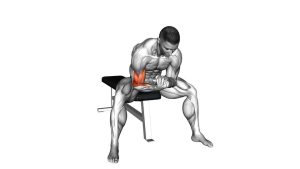
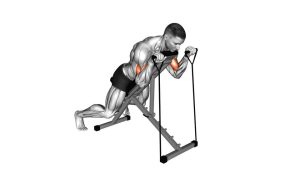
In this variation, you lie face-down on an incline bench while the band provides resistance through elbow flexion. The setup naturally limits swinging, body English, and shoulder takeover, so the biceps do more of the work. The result is a controlled curl that feels especially strong in the mid-to-top portion of the rep, where band tension increases and the squeeze becomes more intense.
Quick Overview
| Body Part | Biceps |
|---|---|
| Primary Muscle | Biceps brachii |
| Secondary Muscle | Brachialis, brachioradialis, forearm flexors |
| Equipment | Resistance band, incline bench |
| Difficulty | Beginner to Intermediate |
Sets & Reps (By Goal)
- Muscle growth: 3–4 sets × 8–15 reps with controlled tempo and a strong squeeze at the top
- Form and mind-muscle connection: 2–3 sets × 10–12 reps with light-to-moderate band tension
- Higher-rep pump work: 2–4 sets × 15–20 reps with smooth reps and short rest periods
- Warm-up or activation: 1–2 sets × 12–15 easy reps before heavier arm training
Progression rule: First improve control, range, and squeeze quality. Then increase band tension, reps, or total sets. Do not add resistance if your elbows drift excessively or the curl becomes sloppy.
Setup / Starting Position
- Set the bench: Adjust an incline bench to a comfortable angle that supports your chest while letting your arms hang freely.
- Anchor the band securely: Position the resistance band so it provides smooth tension through the curl without snapping or twisting.
- Lie prone on the bench: Place your chest firmly on the pad with your head neutral and feet stable on the floor.
- Grip the band handles or ends: Let the arms extend downward fully so the biceps start from a stretched position.
- Set the elbows: Keep them pointing down and slightly tucked, not flaring wide or drifting excessively forward.
Tip: Choose a band tension that lets you move cleanly through the full rep without rushing the eccentric.
Execution (Step-by-Step)
- Brace and stay long: Keep the chest supported, shoulders down, and neck relaxed.
- Initiate the curl: Bend the elbows and pull the handles upward in a smooth arc without swinging the torso.
- Keep the upper arms quiet: Let the elbows act like hinges while minimizing shoulder involvement.
- Squeeze at the top: When your forearms approach your upper arms, pause briefly and contract the biceps hard.
- Lower under control: Slowly return to the start position until the arms are extended and the biceps feel stretched again.
- Repeat with consistent tempo: Maintain even reps instead of accelerating through the easy portion of the band resistance.
Pro Tips & Common Mistakes
- Use strict chest support: Stay planted on the bench to reduce cheating and momentum.
- Don’t rush the lowering phase: The eccentric is where a lot of the training value comes from.
- Avoid elbow drift: A little movement is natural, but excessive forward travel turns it into more of a shoulder-assisted curl.
- Pick the right band: Too much tension often shortens range of motion and ruins the squeeze.
- Keep wrists neutral: Don’t over-bend the wrists just to move the band higher.
- Use a brief top pause: Even a 1-second squeeze can improve biceps recruitment.
- Do not bounce at the bottom: Return with control so the band does not yank your elbows or shoulders.
FAQ
What makes the Band Prone Incline Curl different from a regular band curl?
The incline bench support reduces body swing and keeps the curl stricter. That usually makes it easier to isolate the biceps and improve mind-muscle connection.
Where should I feel this exercise the most?
You should mainly feel it in the biceps, especially as you curl upward and squeeze near the top. You may also feel assistance from the brachialis and forearms.
Is this exercise good for muscle growth?
Yes. It combines strict execution, a deep loaded stretch at the bottom, and increasing band tension as you curl upward, making it a strong hypertrophy-focused isolation exercise.
Can beginners do this exercise?
Absolutely. Beginners should start with a lighter band, prioritize clean reps, and avoid chasing heavy tension too early.
What if I do not have an incline bench?
You can mimic the idea with a chest-supported setup on a sturdy angled surface, but an adjustable incline bench gives the best support and consistency.
Recommended Equipment
- Resistance Bands Set — the main tool for loading the curl with adjustable tension
- Adjustable Incline Weight Bench — provides chest support for stricter form and better biceps isolation
- Exercise Band Handles — improves grip comfort and control during band-based curls
- Arm Blaster — useful for other strict curl variations when you want even more arm isolation
- Training Gloves or Grip Aids — optional support if your grip fatigues before your biceps do
Tip: Prioritize the band and bench first. Those two items give you almost everything you need to perform this exercise well.